

More news on this day
Porter Airlines is dramatically boosting its presence in western Newfoundland, turning Deer Lake Regional Airport into a powerful new gateway for Gros Morne, the Viking Trail and the island’s rugged west coast as it rolls out new routes and more frequent flights ahead of the 2026 summer season.
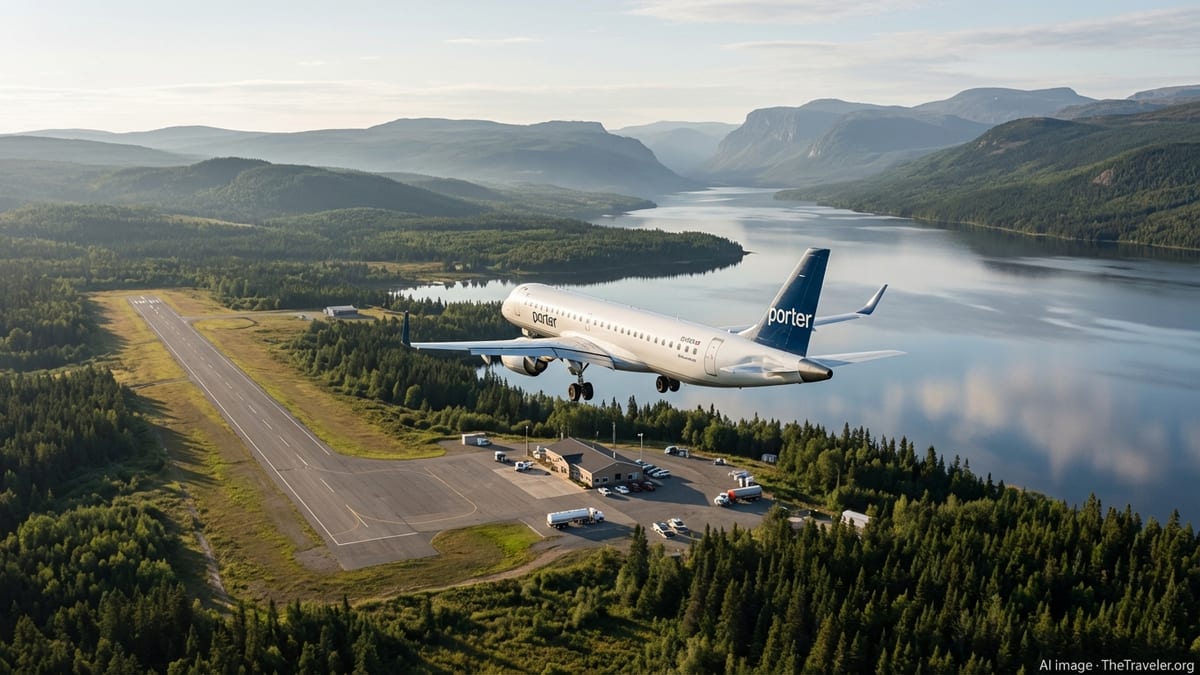
Deer Lake’s Rapid Rise in Porter’s Atlantic Strategy
Deer Lake, long viewed primarily as a functional entry point for western Newfoundland, is being thrust into the spotlight as Porter Airlines accelerates its growth across Atlantic Canada. A series of new and expanded routes is poised to lift Deer Lake Regional Airport from regional outpost to a central node in the airline’s fast-growing network. At the heart of this shift is Porter’s decision to layer new seasonal service from Ottawa onto existing links from Toronto Pearson and Halifax, effectively knitting western Newfoundland more tightly into Canada’s main population corridors.
The move fits squarely within Porter’s broader strategy of using its Embraer E195-E2 jet fleet to open up previously under-served leisure markets. After introducing Deer Lake as a seasonal destination from Toronto Pearson in 2025, the airline is now going further, pairing additional capacity from central Canada with higher frequencies that are designed to attract both domestic holidaymakers and international visitors connecting through major hubs. For Deer Lake, it is a rare opportunity to shift from being a niche stop on the map to a nationally visible gateway.
Porter’s investment also sends a signal to tour operators, hoteliers and local businesses across western Newfoundland that the region can count on more consistent, scalable air access in peak months. With more seats and better schedules timed to summer demand, Deer Lake is set to benefit from a sustained influx of visitors who may previously have opted for larger airports in St. John’s or Halifax, or skipped the region altogether because of awkward connections.
New Ottawa Route Opens a Direct Door to Western Newfoundland
The headline addition for 2026 is Porter’s new seasonal route between Ottawa Macdonald-Cartier International Airport and Deer Lake Regional Airport, launching June 10 and running through late September. Scheduled to operate five times weekly with Embraer E195-E2 jets, the service creates the first direct, high-capacity link between Canada’s capital region and western Newfoundland during the height of the tourism season. For Ottawa-based travelers, what was once a multi-stop journey via Halifax or Toronto can now be a straightforward, same-day hop to the doorstep of Gros Morne National Park.
Operationally, the Ottawa–Deer Lake route is crafted for convenience. Late-evening departures from Ottawa are matched with early-morning returns from Deer Lake, allowing travelers to maximize their time in Newfoundland while still aligning with work schedules and onward connections. The frequency profile, at five flights a week, offers enough choice for flexible trip planning while maintaining the density needed to keep fares competitive in a market where Air Canada has historically dominated transcontinental access.
For residents of western Newfoundland, the route provides more than just leisure options. Direct access to the national capital brings government, healthcare, education and business travel within easier reach, while also opening an alternative gateway to Porter’s expanding network of onward flights from Ottawa to major Canadian and U.S. cities. That connectivity could prove critical as the region pitches itself to remote workers, conference organizers and investors looking for destinations that balance accessibility with authentic, small-community character.
Toronto and Halifax Links Scale Up to Support Tourism Growth
The new Ottawa flights do not stand alone. Porter is also planning to expand capacity between Toronto Pearson and Deer Lake as part of its wider 2026 summer schedule. After debuting the route in 2025 with three weekly seasonal roundtrips, the airline is preparing to increase frequencies to five times a week, solidifying Toronto’s role as a primary gateway for visitors from central Canada and international markets connecting through Pearson. The additional flights are aimed squarely at peak-season demand, with schedules tailored to weekend departures and returns popular with vacationers.
At the same time, Porter’s existing Halifax–Deer Lake service continues to anchor western Newfoundland’s connections to the rest of Atlantic Canada. Operated with De Havilland Dash 8-400 turboprops, that route provides shorter regional hops that link Deer Lake to a wider east coast network. Together, the Halifax and Toronto services have already helped re-establish Porter’s presence in western Newfoundland after a multi-year absence, and the layering on of Ottawa creates a triangulated pattern of access that reduces the region’s dependence on any single hub.
Industry observers note that the combination of more frequent Toronto service and the new Ottawa link could significantly reshape visitor flows. Travelers from Western Canada and the United States, who once favored St. John’s or even Halifax as entry points, may now be steered directly into Deer Lake via connections through Toronto or Ottawa. That shift aligns neatly with Tourism Newfoundland and Labrador’s long-standing goal of dispersing visitor traffic more evenly across the province, easing pressure on the Avalon Peninsula while boosting year-over-year growth on the west coast.
Gateway to Gros Morne, the Viking Trail and Wild Coastlines
While route maps and aircraft schedules matter to aviation planners, what puts Deer Lake on the travel map for most passengers is what lies beyond the runway. The town sits at the crossroads of western Newfoundland’s most iconic attractions, beginning with Gros Morne National Park, a UNESCO World Heritage site located roughly an hour’s drive to the north. Dramatic fjords, tilted coastal cliffs and highland plateaus draw hikers, paddlers and photographers from around the world, many of whom have long wrestled with limited flight options and tight connection windows to reach the park during its short peak season.
From Deer Lake, travelers can also fan out along the Viking Trail toward L’Anse aux Meadows, where the remains of a Norse settlement offer a rare, tangible link between North America and medieval Europe. Scattered fishing communities, iceberg viewpoints and whale-watching harbors line the route, making the region a natural fit for slow-travel itineraries that combine cultural history with rugged coastal scenery. Increased capacity into Deer Lake gives tour operators more confidence to package these experiences, knowing that they can move groups and independent travelers reliably at the height of summer.
The airport’s catchment area extends south and east as well, reaching into fjord-cut inlets, salmon rivers and small communities where local guides, inns and outfitters rely heavily on a compressed summer tourist season. More flights, especially on larger jets, can translate directly into fuller lodges, busier restaurants and steadier bookings for whale-watching, kayaking and hiking tours. For western Newfoundland, Porter’s expansion is not simply an aviation story but a defining factor in how the region positions itself in a fiercely competitive global market for nature-based travel.
Jet Comfort and Cabin Perks Aim to Win Leisure Travelers
Porter is banking on its cabin product to help draw visitors to Deer Lake in a market where many travelers are weighing trips to the Canadian Rockies, the Maritimes or overseas destinations. The Embraer E195-E2 jets selected for the Ottawa–Deer Lake and Toronto–Deer Lake services feature a two-by-two seating layout with no middle seats, a design choice that has become part of Porter’s brand identity. Fast, free Wi-Fi for all passengers, complimentary beer and wine in glassware, and premium snacks are standard, even on the relatively short hops into western Newfoundland.
These amenities, coupled with quieter cabins and improved fuel efficiency, are meant to position Porter as the airline of choice for travelers who might otherwise drive long distances to larger hubs or default to incumbents. For families heading to Gros Morne, outdoor enthusiasts traveling with gear or older travelers wary of tight connections, the promise of a comfortable, full-service economy experience can be a decisive factor. That is especially true for visitors arriving from far-flung markets who may connect through Toronto or Ottawa after a transatlantic or transcontinental flight.
From Deer Lake’s perspective, the use of modern jets helps burnish the destination’s appeal to a new generation of travelers. Images of sleek Embraer aircraft framed against forested hills and lakefront runways fit neatly into provincial marketing campaigns that emphasize both accessibility and unspoiled wilderness. As Porter continues to grow its fleet and refine schedules, the airline’s product choices could help western Newfoundland shed any lingering perception that it is remote in the sense of being inconvenient, rather than remote in the alluring, get-away-from-it-all sense that resonates with today’s travelers.
Competitive Pressures and Capacity Shifts in Atlantic Canada
Porter’s deeper push into Deer Lake also carries competitive implications for other carriers in Atlantic Canada. The Ottawa–Deer Lake seasonal route, combined with more Toronto frequencies, introduces fresh capacity into a market historically dominated by Air Canada and, on some routes, WestJet. With Porter already emerging as a major player at both Toronto Pearson and Ottawa, its growing presence gives travelers additional price and schedule options for reaching Newfoundland’s west coast, particularly during summer peaks when flights can be tight and fares high.
The airline’s strategy mirrors its broader pattern across the country, in which it has used new-generation jets to challenge incumbents on key domestic and transborder routes. By linking Deer Lake to hubs that also offer connections to sun destinations and U.S. cities, Porter is effectively integrating western Newfoundland into a more complex web of itineraries. That could encourage longer, more varied trips, such as visitors pairing a week of hiking in Gros Morne with city stays in Ottawa or Toronto, or Newfoundland residents using Deer Lake as a springboard to destinations as far-flung as Phoenix or Miami via same-day connections.
Local officials and tourism operators are watching closely to see how competing airlines respond. Additional capacity can stimulate new demand, but it can also trigger fare competition and schedule adjustments that reshape how and when visitors arrive. For now, Porter’s moves are being framed as a growth story for Newfoundland and Labrador overall, with the potential to attract travelers who might otherwise have chosen entirely different regions. The extent to which rivals match or counter these moves will become clear as full summer timetables for 2026 continue to be published.
Economic Ripple Effects for Western Newfoundland Communities
On the ground, the implications of Porter’s Deer Lake buildup extend well beyond the airport perimeter. Tourism operators in communities from Rocky Harbour to Norris Point and up the Northern Peninsula have long argued that inconsistent and expensive air access is one of the main barriers to sustained growth. Additional flights, particularly with larger aircraft, represent a chance to smooth out occupancy peaks and valleys, secure more group business and extend the season deeper into early fall when hiking conditions remain excellent but visitor numbers typically taper off.
Hospitality and service sectors stand to benefit first. Hotels, inns and bed-and-breakfasts near Deer Lake and within Gros Morne’s orbit can upscale marketing efforts in central Canadian markets, confident that flight options will support more aggressive promotional campaigns. Restaurants, craft breweries, galleries and tour operators may also see stronger midweek traffic if Porter’s schedules successfully distribute arrivals beyond traditional weekend surges. Over time, this could bolster year-round employment in communities that have historically relied heavily on seasonal work.
There are supply-side considerations as well. More visitors mean greater pressure on infrastructure, from rental car fleets and shuttle services to trail maintenance and small-town amenities. Municipalities and provincial agencies responsible for transportation and parks management will need to track how visitor volumes respond to Porter’s expansion and adjust investment plans accordingly. For many local leaders, this is a welcome challenge, representing a shift from trying to attract visitors to managing the flows of travelers who are finally choosing western Newfoundland in greater numbers.