

More news on this day
Porter Airlines has inaugurated a new nonstop service between Montreal and Nassau, creating a fresh Caribbean link for Quebec travelers and intensifying competition on one of the region’s most in-demand winter corridors.
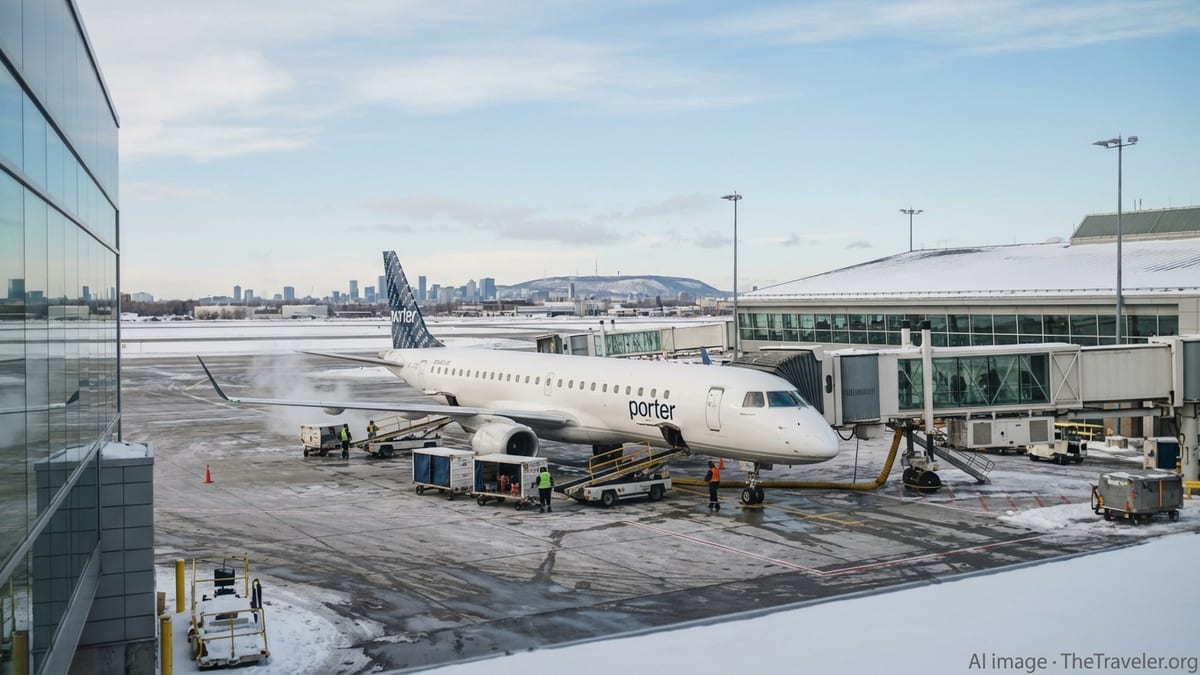
A New Seasonal Bridge Between Quebec and the Bahamas
Porter’s Montreal–Nassau flights began on February 5, 2026, operating as a winter seasonal service between Montréal–Trudeau International Airport and Lynden Pindling International Airport in the Bahamian capital. The route is designed to capture peak demand from Canadians seeking sun destinations during the coldest months, positioning Nassau as an accessible, short-haul escape for Quebec residents.
The service runs three times a week, offering a regular schedule tailored to leisure travelers planning week-long or extended weekend stays in the Bahamas. While Air Canada already serves the Montreal–Nassau market daily, Porter’s entry strengthens overall capacity on the route and provides passengers with a distinct service style and fare structure to choose from.
For Montreal, the launch marks Porter’s first Caribbean service from the city, a symbolic step that broadens the airline’s role beyond its traditional strength in Eastern Canada and select U.S. markets. It is also part of a broader strategic pivot toward sun destinations that has seen Porter expand to Mexico, Costa Rica and other Caribbean points in recent seasons.
For the Bahamas, the new link adds another gateway from one of its top source markets. Direct flights from Quebec reduce travel time and eliminate the need for connections through Toronto or U.S. hubs, a key factor in attracting families and short-stay vacationers who prioritize convenience.
Strategic Expansion of Porter’s Sun Destination Network
The Montreal–Nassau route arrives amid a wider buildup of Porter’s winter 2025–2026 schedule, which includes new services from Ottawa to Miami and Phoenix and from Vancouver to Phoenix. Together, these additions increase the airline’s sun destination capacity by as much as 25 percent compared with the previous winter, underscoring a clear strategic focus on southern leisure markets.
By adding Nassau to Montreal’s network, Porter is rounding out a Bahamas portfolio that already includes flights from Toronto Pearson and Ottawa. This three-hub approach from Eastern Canada allows the carrier to tap into multiple catchment areas while sharing marketing, operational expertise and partnerships across the network.
Industry analysts note that Porters move fits a broader Canadian trend: carriers are increasingly targeting point-to-point winter sun routes that bypass traditional major hubs. For passengers in Montreal, that means a growing menu of nonstop options to beach destinations without the extra time and uncertainty associated with connecting flights.
Porter executives have signaled that successful performance on routes such as Montreal–Nassau could support further Caribbean growth from Quebec and Ontario. Early-season bookings and load factors on new sun services will be closely watched as indicators of how much additional southbound capacity the Canadian market can sustain.
Passenger Experience and Fleet Choices on the New Route
The Montreal–Nassau flights are operated with Porter’s Embraer E195-E2 aircraft, a 132-seat narrowbody that has become the backbone of the airline’s expanding mid-range network. The jet features a two-by-two seating configuration, meaning there are no middle seats on board, a differentiator Porter has leaned on in its branding as an elevated economy carrier.
Passengers on the route can expect complimentary beer and wine served in glassware, premium Canadian snacks and free high-speed Wi-Fi, amenities that Porter has introduced as standard even on sun destinations. For leisure travelers heading to Nassau, these touches are positioned as an extension of the vacation experience, beginning from the moment they board in Montreal.
The E195-E2’s fuel-efficient design also supports Porter’s environmental positioning. Lower fuel burn and reduced noise relative to older aircraft types are increasingly important considerations for both regulators and travelers, particularly on highly competitive routes where product and sustainability claims can influence booking decisions.
From an operational standpoint, the aircraft’s range and economics make it well suited to medium-haul routes like Montreal–Nassau. The sector length allows full use of the cabin product without the complexity of long-haul scheduling, while still opening up attractive international markets for the carrier.
Competitive Dynamics and Tourism Impact
Porter’s arrival on the Montreal–Nassau corridor adds a new layer to an already active competitive landscape. Air Canada has long served the route and continues daily operations, giving travelers a choice of airline, schedule and onboard product. Added capacity typically leads to sharper pricing and more promotional activity, particularly at launch, which could benefit Quebec consumers planning winter getaways.
Tourism officials in the Bahamas have welcomed the new service as a way to deepen ties with Quebec and broaden the mix of visitors beyond traditional gateways in Ontario and the northeastern United States. The added flights are expected to support hotel occupancy, local excursions and cruise traffic through Nassau’s port, especially during the high season from February through March.
For Montreal’s tourism and travel industry, the route also represents outbound and inbound potential. While the primary flow is Canadians heading south, improved air connectivity can also help attract Bahamian and regional Caribbean travelers to Quebec for business, study or leisure, particularly during summer months when Montreal’s cultural calendar is at its peak.
As airlines continue to fine-tune their post-pandemic networks, the success of routes like Montreal–Nassau will help determine how aggressively carriers such as Porter keep building direct international links from secondary Canadian hubs. For now, the new connection is being closely watched as a test of both Quebec’s appetite for tropical escapes and Porters growing ambitions in the Caribbean.