

More news on this day
As geopolitical tensions unsettle traditional holiday hotspots across the Mediterranean and North America, Portugal is emerging as an unlikely 2026 spring break safe haven for students and families from the United States, Canada, and across Europe.
Get the latest news straight to your inbox!
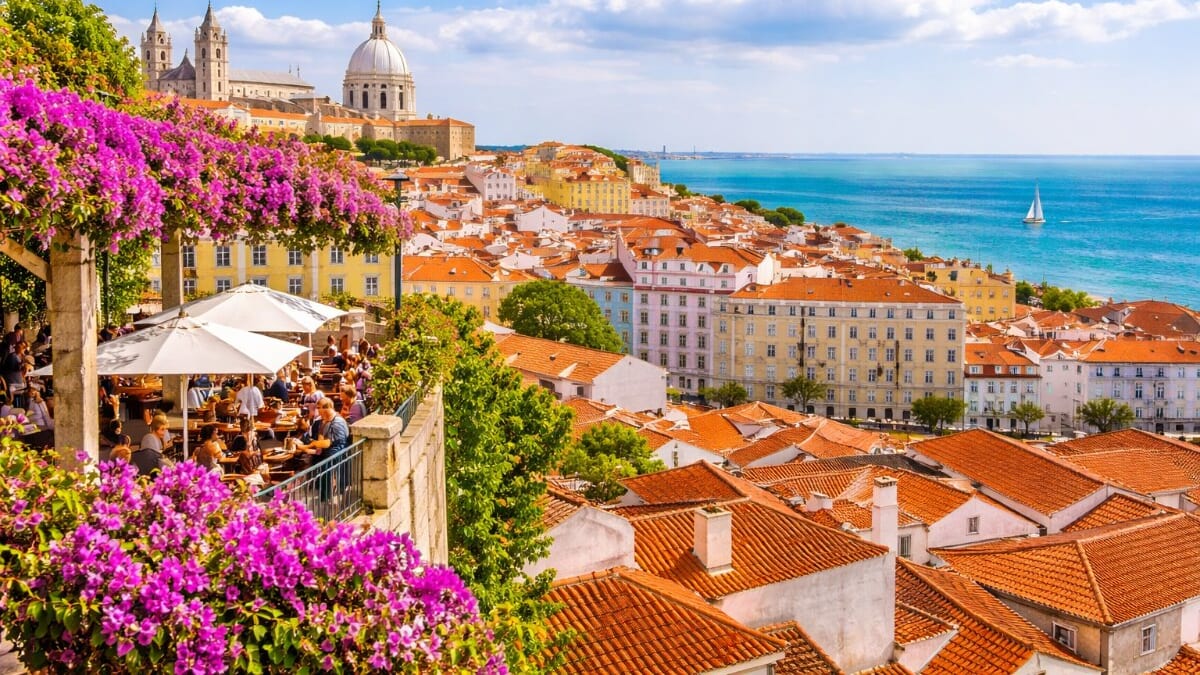
Image by Travel And Tour World
Safety Rankings and Travel Advisories Boost Confidence
A key factor behind Portugal’s new spring break appeal is its perception as a low risk destination at a time when many travelers are rethinking where they feel comfortable spending their holidays. The latest Global Peace Index places Portugal among the world’s most peaceful countries, grouped with destinations such as Iceland, Ireland, Austria and Switzerland, reinforcing its image as a stable corner of Europe despite global volatility.
Publicly available information from the United States Department of State continues to list Portugal with a Level 1 advisory, the lowest risk category, most recently updated in late December 2025. That guidance effectively tells travelers to exercise normal precautions, in contrast with higher level advisories affecting parts of the Middle East and eastern Mediterranean where conflict and military activity have unsettled airlines and tour operators.
Travel coverage across North America and Europe in early 2026 also points to Portugal as part of a cluster of relatively steady destinations that remain open and accessible despite flight disruptions elsewhere. Consumer travel reporting notes that Portugal routinely appears on maps of lower risk countries for US citizens, in marked contrast to regions affected by the Iran conflict and related tensions.
For Canadian travelers, outbound research from tourism and aviation bodies shows a shift away from long haul trips to the United States and affected regions, with increased interest in Western European destinations perceived as more predictable and easier to insure. Portugal’s combination of strong safety metrics, transparent regulations and membership in the Schengen area positions it as a natural beneficiary of that pivot.
Record Visitor Numbers Set the Stage for a Spring Surge
The safety narrative is coinciding with a broader structural boom in Portuguese tourism. Statistics Portugal data released in early 2026 indicate the country welcomed roughly 32.5 million visitors in 2025, a new record and about 3 percent higher than in 2024. Tourism in Portugal has already surpassed pre pandemic levels, with international arrivals contributing a growing share of overnight stays and sector revenue.
National and regional tourism reports show that the Algarve, Lisbon and Porto have been leading growth, while island destinations such as Madeira and the Azores are consolidating reputations as nature focused escapes. Industry analyses highlight that visitors from the United States and Canada are among the fastest growing long haul segments, with double digit percentage increases in nights and spending over the last full year of data.
Portuguese media and trade publications attribute part of this momentum to airlines increasing capacity from North American cities, alongside aggressive route development by low cost carriers within Europe. Inbound tourism from traditional European markets such as the United Kingdom, Germany, France and Spain remains strong, but recent figures suggest that growth from North America is outpacing that of many nearby countries.
With that backdrop, tour operators expect the 2026 spring break period to extend the trend. Booking platforms cited in European business coverage already report higher than usual March and April reservations for coastal resorts, urban city breaks and wine regions, indicating that the seasonal surge is starting earlier and spreading more evenly across the country.
Geopolitical Tensions Push Travelers West
Travel industry reporting across Europe links much of Portugal’s current momentum to a broader geographical realignment of leisure demand. Coverage from major European newspapers in March 2026 describes how ongoing conflict in and around the Middle East is discouraging trips to parts of the eastern Mediterranean, prompting households to rebook holidays to western destinations including Spain, Italy and Portugal.
Analysts note that concerns range from potential airspace closures and changes to flight paths to the psychological impact of traveling closer to active conflict zones. Package tour companies quoted in that coverage describe significant shifts away from Cyprus, Turkey and some Greek islands, while western Mediterranean countries receive increased inquiry volumes for the same travel windows.
Portugal, situated on the Atlantic fringe of Europe and geographically distant from current flashpoints, is perceived as particularly insulated from those disruptions. Its main airports in Lisbon, Porto and Faro have not faced the same level of operational uncertainty as hubs closer to affected air corridors. Industry briefings indicate that this relative predictability is weighing heavily on destination choices for cautious families planning group trips over the school break.
At the same time, global tourism statistics compiled by international agencies show that while overall travel has reached or surpassed record levels, North America’s inbound market has underperformed, with weaker than expected arrivals to the United States. Analysts suggest that political tensions, shifting public perceptions and changing currency dynamics are combining to push some international tourists to reconsider where they spend their vacation budgets, with parts of Europe, including Portugal, standing out as beneficiaries.
US and Canadian Tourists Drive New Spring Break Patterns
Within this shifting global map, North American travelers are playing an outsized role in Portugal’s emerging spring break profile. Data from Portuguese statistics authorities and central bank reports indicate that the United States has recorded one of the sharpest increases in tourism receipts in recent years, with spending by American visitors climbing at a double digit pace and setting new revenue highs in 2024 and 2025.
Canadian demand, while smaller in absolute terms, is also rising quickly. Outbound travel research from Canadian tourism organizations shows robust growth in trips to Portugal, with some reports citing more than 20 percent year on year increases in recent data. Those figures align with airline capacity expansions linking Canadian hubs to Lisbon and the Algarve, particularly during the shoulder seasons of spring and autumn.
Travel behavior specialists say publicly available booking data reveals a gradual shift away from short, party centric spring break itineraries toward longer, experience driven trips that combine urban culture with nature and gastronomy. Portugal’s compact geography, extensive rail network and range of price points allow budget conscious students, young professionals and multigenerational families to design varied itineraries without crossing borders or changing currencies.
Public coverage from US based travel media points to Portugal’s relative affordability compared with other Western European capitals, a favorable climate as early as March, and a strong English language presence in major tourist corridors as additional selling points. Together, these factors are helping reposition Portugal from a niche surf and culture destination to a mainstream spring break alternative for North American travelers looking beyond traditional sun belts.
Tourism Industry Adapts to a Longer, Safer Season
Local tourism boards, hotel groups and small operators are moving quickly to respond to the new pattern of demand. Business reports from regional outlets in the Algarve and Lisbon describe extended opening periods for seasonal properties, with some resorts choosing to begin their main operations earlier in March to capture spring break bookings from abroad.
Investment and real estate analyses also highlight how sustained tourism growth is feeding into wider economic activity, from short term rentals and hotel development to restaurant, transport and cultural infrastructure. Industry observers emphasize that authorities and businesses alike are trying to balance volume growth with quality of life and sustainability objectives, particularly in historic neighborhoods that have already experienced pressure from mass tourism.
Travel trend commentary suggests that the focus on safety, stability and manageable crowd levels may support this shift toward a more diversified and year round model. By positioning itself as a calm, culturally rich and comparatively low risk destination for 2026 spring break travelers, Portugal is reinforcing a brand that extends beyond a single season or demographic.
With global tensions unlikely to disappear quickly, many analysts expect Portugal’s reputation as a safe harbor in uncertain times to keep drawing visitors from North America and across Europe well past this spring, reshaping not only the calendar but also the character of the country’s tourism industry.