

More news on this day
Portugal is emerging as one of the most attractive spring break options for 2026, with fresh safety rankings and cost data placing it alongside the United States, Canada, Iceland and Switzerland as a secure, good-value destination for North American travelers.
Get the latest news straight to your inbox!
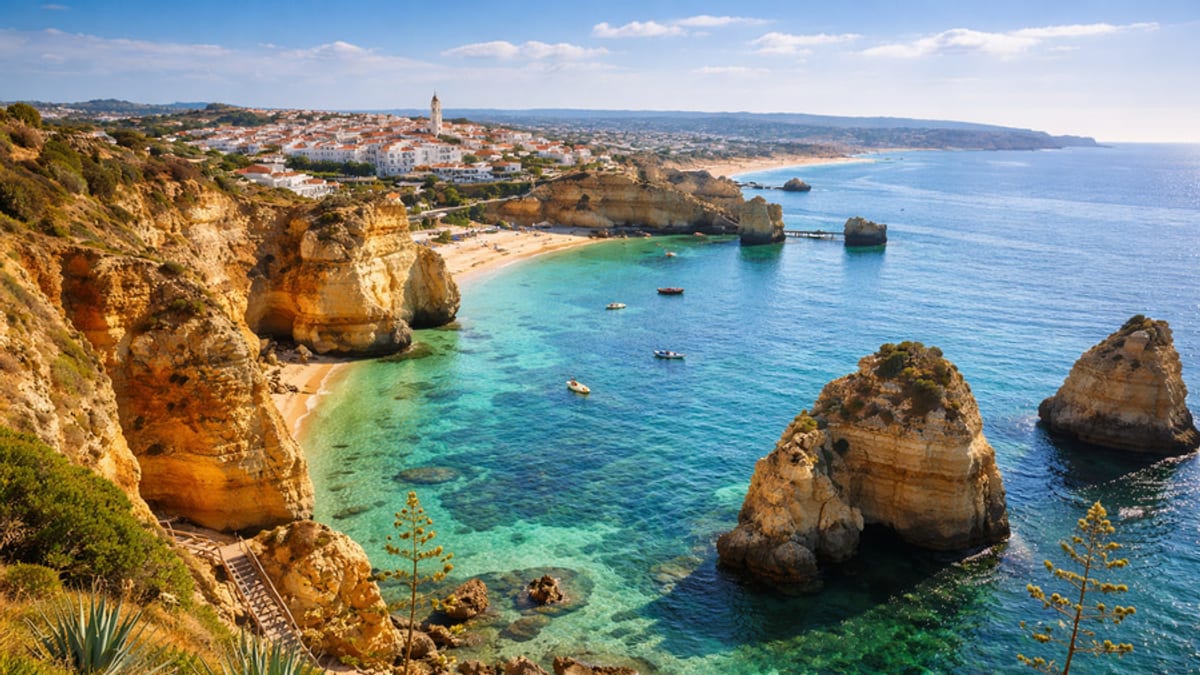
Image by Travel And Tour World
Safety Rankings Push Portugal Into the Top Tier
Recent global indexes continue to place Portugal among the world’s safest countries, reinforcing its appeal to families and students planning trips for spring 2026. The latest Global Peace Index lists Portugal within the top ten most peaceful nations worldwide, in the same safety bracket as Iceland and Switzerland, while far ahead of many larger tourism markets in terms of crime levels and social stability.
Publicly available crime statistics indicate that violent crime in Portugal remains relatively low compared with many Western countries, including the United States. Large cities such as Lisbon and Porto have seen tourism numbers rise, but major incidents affecting visitors remain rare according to international peace and safety assessments.
Additional indicators also suggest a strong institutional framework underpinning that sense of security. Portugal’s position in global rule of law and governance indices is generally in line with or above many European peers, providing reassurance for travelers that basic protections and public services are widely accessible.
For spring break planners, these rankings place Portugal in the same conversation as Canada, Iceland and Switzerland, all of which consistently appear at the top of international safety tables. The result is a growing perception of Portugal as a dependable choice for those prioritizing peace of mind in 2026.
Affordable Western Europe: How Portugal Compares on Price
Alongside safety, affordability is a key driver for spring break travel, and recent 2026 cost estimates show Portugal still undercutting many Western European rivals. Travel cost analyses published in early 2026 describe Portugal as one of the best-value destinations in Western Europe, with typical daily travel budgets often lower than in neighboring countries for accommodation and dining.
Cost of living studies released in 2026 indicate that Portugal’s overall price level for goods and services remains below the European Union average. Reports highlight comparatively moderate prices for groceries, local transport and casual dining, particularly outside peak summer months and beyond the most touristed neighborhoods of Lisbon and the Algarve.
While tourism growth has pushed up hotel and rental prices in popular coastal areas, particularly in high season, analysts note that shoulder-season travel in late winter and early spring continues to offer better value. For many North American visitors dealing with higher prices at home, Portugal’s combination of Western European infrastructure with mid-range costs represents a significant draw.
This price positioning places Portugal in a different category from high-cost destinations such as Iceland and Switzerland, which are widely recognized as exceptionally safe but expensive. For 2026, travel experts increasingly describe Portugal as the budget-conscious option within the group of highly secure spring break choices.
Why Spring 2026 Favors Shoulder-Season Travel in Portugal
Tourism projections for 2026 point to continued crowding and high prices across many classic European summer destinations. Industry forecasts for Portugal suggest that demand will again peak between June and September, especially along the southern Algarve coast, but that March and April should remain less congested and more affordable.
Travel cost breakdowns for 2026 show that accommodation rates in cities such as Lisbon and Porto, and in beach hubs like Lagos and Albufeira, can rise significantly during the summer months. In contrast, late winter and early spring often bring wider availability of mid-range hotels, guesthouses and short-term rentals at lower nightly rates, alongside sales on regional flights and rail passes.
Climate data for Portugal indicates generally mild conditions in March and April, particularly in central and southern regions. Although sea temperatures are cooler than in peak summer, daytime highs can be suitable for hiking, city sightseeing and outdoor dining, making the period attractive for travelers willing to trade guaranteed beach weather for better prices and easier reservations.
For students and families looking at 2026 spring breaks that avoid the highest summer surcharges without sacrificing comfort, the shoulder-season pattern gives Portugal an advantage over destinations where weather and crowds are more sharply concentrated in a short peak window.
How Portugal Stacks Up Against North American Mainstays
For many North Americans, the United States and Canada remain default spring break options, offering familiarity, direct flights and a wide range of climates. Domestic trips to U.S. sunbelt states and Canadian city breaks continue to attract large numbers of travelers, supported by extensive tourism infrastructure and clear safety information.
However, cost comparisons between Portugal and major North American cities suggest that on-the-ground expenses for visitors can often be lower on the Iberian coast. Analyses comparing Portugal with the United States in 2026 point to more affordable public transport, competitively priced casual dining and relatively moderate healthcare costs for out-of-pocket services, although long-haul airfare from North America remains a significant line item.
Safety perceptions also play a role. While Canada consistently ranks among the world’s safest destinations, the United States scores lower in many global peace and safety indices than Portugal and other Western European countries. For travelers weighing the risk profiles of different spring break options, these rankings may tip the balance toward Portugal when combined with favorable pricing.
At the same time, experts note that Portugal, the United States and Canada can be viewed as complementary rather than competing spring break choices. Each offers diverse landscapes, modern cities and established tourism sectors, but Portugal stands out within this group as the only Western European country pairing high safety scores with relatively modest travel costs.
Positioning With Iceland and Switzerland in the 2026 Travel Landscape
International travel guides for 2026 continue to highlight Iceland and Switzerland as benchmarks for safety and quality of life. Both countries regularly occupy top positions in the Global Peace Index, and their strong infrastructure, healthcare systems and environmental standards are widely documented in global assessments.
Yet these destinations are frequently categorized as premium or high-cost, particularly for accommodation, dining and internal transport. Budget breakdowns for 2026 typically place Iceland and Switzerland among the most expensive European countries for visitors, with daily travel costs that can exceed those in Portugal by a considerable margin.
By contrast, Portugal benefits from sharing many of the same safety credentials while being routinely described as one of Western Europe’s more affordable options. Travel economists point to a tourism model that still offers reasonably priced neighborhood restaurants, public transit and mid-range lodging, especially outside a handful of high-demand districts.
As a result, industry coverage increasingly groups Portugal with Iceland, Switzerland, Canada and select regions of the United States as a cluster of reliable, stable destinations for 2026, but identifies Portugal as the accessible price point within that set. For spring break travelers balancing budget constraints with heightened attention to safety, that combination is likely to keep Portugal high on shortlists in the year ahead.