

More news on this day
Portugal has joined Panama, the Dominican Republic, Estonia and a handful of agile destinations in reshaping what it means to travel, live and work abroad, pairing lifestyle appeal with new visa paths, digital infrastructure and post‑pandemic tourism strategies that are rapidly turning them into bucket‑list priorities.
Get the latest news straight to your inbox!
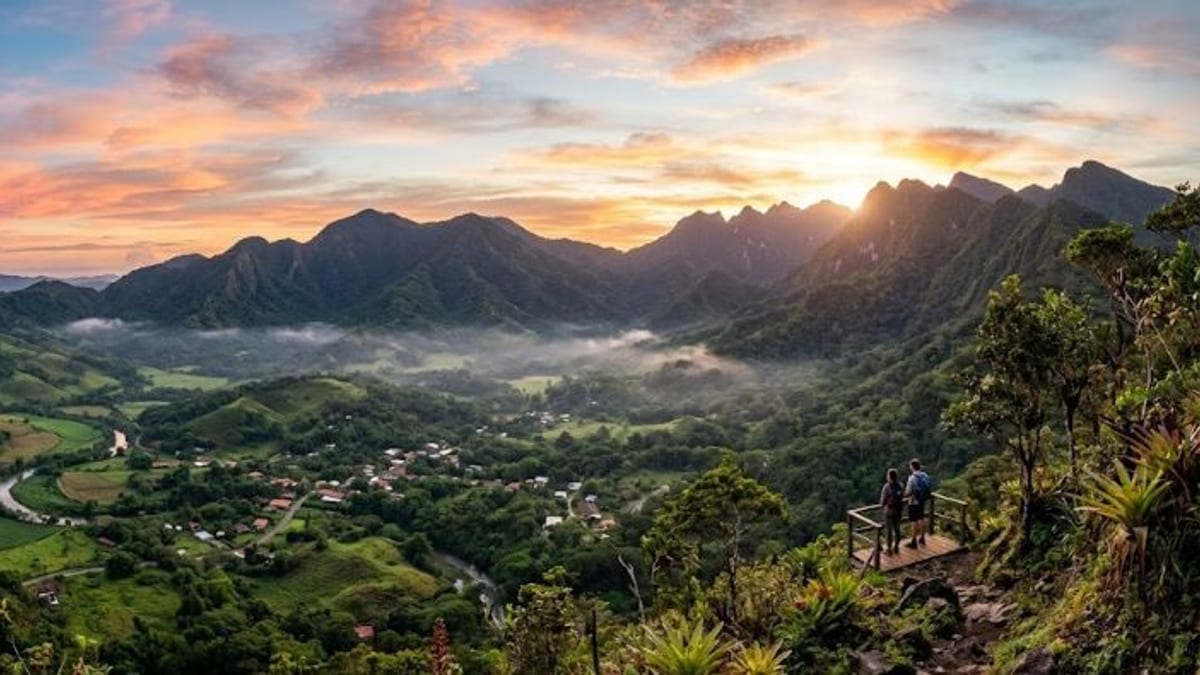
Image by Latest International / Global Travel News, Breaking World Travel News
Portugal Pivots From Tax Haven Image To Lifestyle Powerhouse
Portugal’s rise from niche European favorite to mainstream relocation and remote work hub has been one of the defining tourism stories of the past decade. Publicly available information shows that while the country has wound down its once‑celebrated Non‑Habitual Resident tax regime for most newcomers, it has simultaneously doubled down on attracting skilled professionals, remote workers and long‑stay visitors through updated incentives and visa options focused on talent and innovation rather than pure tax breaks.
Recent guidance for expatriates highlights that 2024 and 2025 reforms repositioned Portugal’s offer around sectors such as research, technology and higher education, alongside a growing remote‑work ecosystem. Reports indicate this is happening against a backdrop of steadily rising international arrivals, particularly in Lisbon, Porto and the Algarve, where tourism boards have shifted messaging from short city breaks to longer cultural stays and off‑season travel.
For travelers, the result is a country that feels both familiar and newly dynamic. High‑speed rail links between major cities, widespread English proficiency in urban centers, and a dense network of co‑working spaces have made Portugal especially attractive to digital professionals who want café culture and Atlantic beaches without sacrificing connectivity. At the same time, smaller towns in the Alentejo and the Douro Valley are emphasizing wine tourism, hiking and agritourism, giving visitors reasons to look beyond the capital.
There are also early signs that policy shifts are nudging travelers toward more sustainable patterns. Local coverage notes a stronger focus on spreading arrivals across the year and promoting regions that have traditionally seen fewer tourists. For bucket‑list planners, that means iconic stops such as Lisbon’s historic quarters or the cliffs of Lagos can now be paired with lesser‑known river villages, surf towns and wine estates that are actively courting international guests.
Panama Builds A Bridge Between Oceans And Remote Work
Panama has quietly transformed from a canal‑centric stopover into one of Latin America’s more sophisticated bases for location‑independent workers. Government information and analysis by relocation advisers point to a growing toolkit of visas targeting investors, professionals and remote workers, set against a long‑standing territorial tax model that does not generally tax income earned abroad, which has drawn interest from internationally mobile residents.
At the same time, tourism indicators show Panama is broadening its appeal well beyond Panama City’s skyline. New and upgraded infrastructure connects the capital to Pacific surf towns, Caribbean islands and rainforest regions, offering visitors the chance to combine business‑ready connectivity with wildlife watching, diving and community‑based tourism experiences. Industry reports underline expanding flight links across the Americas, positioning Tocumen International Airport as a regional hub that makes multi‑country itineraries easier to plan.
For travelers looking for destinations that still feel under the radar compared with regional heavyweights, this combination is significant. Panama City offers modern apartment hotels, restored historic quarters and a growing food scene that blends Afro‑Caribbean, Indigenous and international influences. A short hop away, the highland town of Boquete markets coffee estates and cloud‑forest trails, while the Bocas del Toro archipelago has become synonymous with laid‑back Caribbean island life and low‑rise eco‑lodges.
Reports from travel and economic observers also highlight a gradual push toward more sustainable development, particularly in ecologically sensitive coastal and rainforest zones. For bucket‑list travelers, that means many of Panama’s standout experiences, from whale watching in the Gulf of Chiriquí to visiting Indigenous territories by river, are increasingly structured around small‑group, higher‑value tourism rather than mass crowds.
Dominican Republic Turns Record Tourism Into Country‑Wide Experiences
Few destinations have rebounded from the pandemic as decisively as the Dominican Republic. Official tourism data for 2024 and 2025, summarized in regional industry publications, show the country welcoming more than 11 million international visitors a year and setting fresh records for arrivals, revenue and air connectivity. Analysts credit deliberate efforts to keep borders open with health protocols in place during the recovery period, followed by aggressive route development and a surge in hotel and cruise infrastructure.
What is changing now is how that success is being distributed. Recent investment briefings highlight billions of dollars flowing into new resorts, marinas and attractions not only in long‑established hubs such as Punta Cana and Bávaro but also in emerging areas including Miches, Samaná, Puerto Plata and the inland city of Santiago. Publicly available information shows that upgrades to airports and highways are central to this strategy, enabling visitors to move more easily between beach enclaves, colonial towns and national parks.
Sustainability has also become a visible theme in coverage of the Dominican Republic’s tourism evolution. Financial and industry reports describe banking and government programs backing projects that integrate local hiring, environmental safeguards and community development, particularly in coastal areas that face pressure from rapid growth. This shift is reshaping the country’s image from a purely all‑inclusive destination to a more diverse proposition that includes rural tourism, cultural festivals and nature‑focused excursions.
For travelers assembling a bucket list, the practical impact is significant. Beach seekers can still find large resorts lining white‑sand stretches near Punta Cana, but they can now also add whale watching in Samaná Bay, cable‑car rides above Santiago’s green hills, or time in Santo Domingo’s UNESCO‑listed colonial core to the same trip. With North American and European carriers continuing to add frequencies, reports indicate that multi‑stop itineraries within the country are becoming logistically easier than ever.
Estonia Marries E‑Residency Reputation With Boutique Tourism Appeal
Estonia occupies a different place in the travel landscape from its Atlantic counterparts but is increasingly mentioned in the same breath when it comes to digital‑forward living. The Baltic nation’s e‑Residency program, launched in 2014 and still evolving a decade later, has given it outsize visibility among entrepreneurs who want to manage European companies from abroad. Alongside that, Estonia offers a dedicated digital nomad visa that allows eligible remote workers to live in the country for shorter or longer periods, according to official guidance.
Travel research and government information point out that these policies sit on top of a sophisticated digital infrastructure, with public services and private‑sector tools built around secure online access. For visitors, that translates into practical conveniences such as widespread cashless payments, reliable connectivity and streamlined bureaucracy, all of which support the rise of medium‑term stays in cities like Tallinn and Tartu.
Estonia’s tourism offering, meanwhile, leans into atmosphere rather than spectacle. Coverage from travel media highlights a compact medieval old town in Tallinn, a quickly developing food scene influenced by Nordic and Baltic traditions, and easy escapes to forests, bog landscapes and Baltic Sea islands. Long summer days and festival calendars attract culture‑oriented travelers, while winter brings snow, saunas and Christmas markets that feel distinctly different from those in Central Europe.
For travelers who want their bucket list to balance lifestyle with logistics, Estonia stands out as a place where it is relatively seamless to blend remote work with slow exploration. Co‑working spaces and startup hubs cluster within walking distance of historic streets, while regional trains and buses connect smaller towns and nature reserves. Paired with the country’s tech‑forward reputation, this has created a niche but growing audience of visitors who see Estonia less as a one‑week city break and more as a base for a season.
Why These Destinations Are Reshaping The Bucket List
Taken together, Portugal, Panama, the Dominican Republic and Estonia illustrate how tourism and mobility are converging. Publicly available research on global travel trends notes that more visitors are combining leisure, work and scouting for future relocation in a single trip, and these four countries have positioned themselves at that intersection. Each offers some mix of lifestyle appeal, workable visa options, improving infrastructure and narratives of economic transformation that appeal to internationally mobile travelers.
They also reflect a broader move away from one‑dimensional tourism identities. Portugal is no longer framed solely as a budget European escape but as a creative and tech‑friendly society with strong regional diversity. Panama is stepping out from the shadow of its canal to market cloud forests, coasts and a cosmopolitan capital. The Dominican Republic is pushing beyond its resort corridors, and Estonia is pairing its digital reputation with a distinct sense of place in northern Europe.
For travelers drawing up their next wish list, this combination matters. It opens the door to longer stays that feel less like escapes and more like temporary lives, whether that means working from a tiled Lisbon apartment, a high‑rise in Panama City, a beach town in the Dominican Republic or a Tallinn co‑working loft. With air routes, digital services and policy frameworks all shifting in their favor, these destinations are not just trending; they are helping to redefine what a modern bucket‑list trip can look like.