

Portugal may be a relatively small country on the map, but on the ground it unfolds as a mosaic of distinct regions, each with its own landscapes, rhythms and flavors. From the tile-clad hills of Lisbon and the wine cellars of Porto to the golden coves of the Algarve and the quiet plains of the Alentejo, choosing where to spend limited travel time can feel daunting. This guide breaks down Portugal’s key regions, explains what makes each one unique, and helps you match them to your travel style and season.
How Portugal Is Divided: A Quick Regional Overview
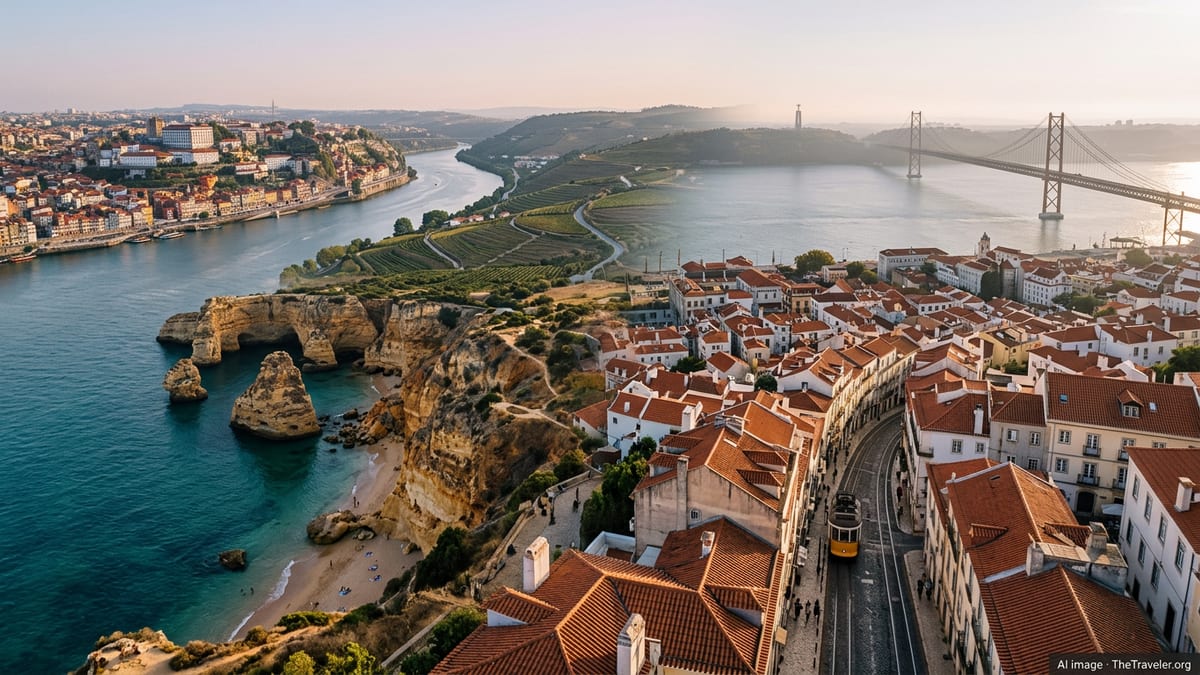
For travel planning, Portugal is best understood through a handful of major regions that align roughly with geography and culture rather than strict administrative borders. On the mainland, most visitors focus on Lisbon and its coastal surroundings, Porto and the northern interior, the central heartland between them, the sun-baked Alentejo to the south, and the Algarve at the country’s southern tip. Beyond the mainland, the Atlantic archipelagos of Madeira and the Azores add volcanic scenery and a subtropical twist to the mix.
Economically, the Lisbon area and the North together generate a substantial share of Portugal’s output, with Lisbon’s metropolitan region leading and the North close behind. Tourism has become a pillar of the national economy, contributing a significant portion of gross domestic product and drawing tens of millions of visitors annually, with Lisbon, Porto and the Algarve among the star performers. This matters for travelers because infrastructure, hotel options and transportation are particularly well developed in and between these hubs.
At the same time, regions such as the Alentejo, Centro and the islands have positioned themselves as lower-density, slower-paced alternatives that absorb some of the visitor flow from the big cities and resort strips. The result is a country where you can move quickly between urban energy and rural quiet, coastal buzz and mountain calm, within just a few hours’ drive or train ride. Understanding these contrasts is the key to building a balanced itinerary.
Climate also plays a role in how the regions feel. The North is generally cooler and wetter, especially in winter, while the Algarve and Alentejo are warmer and drier, with very hot summer days inland. Lisbon and much of the Centro sit in between, with mild winters and warm summers moderated by Atlantic breezes. These gradients make it possible to find pleasant conditions somewhere in Portugal in almost any month of the year, provided you choose your region with the season in mind.
Lisbon and Around: Urban Energy, Palaces and the Atlantic Coast
The Lisbon region centers on the Portuguese capital, a city of steep hills, riverfront promenades and neighborhoods where historic trams rattle past tiled facades. Lisbon itself is the country’s main gateway and one of Europe’s most visited city destinations, with a compact core that rewards walking and tram rides between the Baixa downtown, bohemian Bairro Alto, elegant Chiado and the newer riverside redevelopments at Cais do Sodré and beyond. The city blends monumental sights such as the Jerónimos Monastery and Belém Tower with contemporary museums, creative restaurants and an increasingly international food scene.
Just beyond Lisbon’s city limits, the region opens onto a string of coastal towns and historic enclaves that are easy day trips but also justify longer stays. To the west lies Cascais, a resort town with sandy beaches, a marina and a laid-back but upmarket atmosphere, long favored as a seaside escape from the capital. North of Cascais, the rugged Atlantic coast becomes wilder, with surfing beaches such as Guincho backed by dunes and the cliffs of the Sintra-Cascais Natural Park, a protected area that stretches from the Serra de Sintra to Cabo da Roca, the westernmost point of mainland Europe.
Inland from the shore, Sintra rises among forested hills dotted with palaces, castles and romantic gardens. Here, pastel-colored hilltop palaces, Moorish ramparts and mist-swirled estates draw day trippers in large numbers, yet the area still offers quieter walking trails and corners beyond the main sites. Elsewhere in the broader Lisbon region, smaller towns like Mafra and the coastal villages north of Sintra offer glimpses of everyday life, traditional seafood restaurants and local wine regions waiting just beyond the main tourist circuit.
Lisbon and its surroundings work particularly well for travelers seeking a mix of culture, nightlife and easy access to nature without changing bases too often. Public transport links are strong, with trains and suburban lines fanning out from the city, and the mild maritime climate means that shoulder seasons such as April to June and September to early November often offer ideal conditions for exploring both city streets and nearby beaches.
Porto and the North: Wine Country, Medieval Cities and Green Hills
Portugal’s second city, Porto, anchors the North and offers a striking contrast to Lisbon. Built along the steep banks of the Douro River, Porto is a place of granite buildings, blue-and-white tile panels and iron bridges arching over the water. On one bank, the historic center climbs from the riverside quays of the Ribeira district up to baroque churches and viewpoints; on the opposite bank in Vila Nova de Gaia, traditional port wine cellars line the waterfront and invite tastings in vaulted warehouses that have aged fortified wines for generations.
Beyond the city limits, the wider northern region unfolds in a series of subregions that feel distinctly different from each other. To the east, the Douro Valley carves a deep, winding corridor from the Spanish border toward the Atlantic, its steep hillsides carved into terraced vineyards that are recognized as a cultural landscape of global significance. River cruises, scenic railway routes and twisting roads connect wine estates, small towns and viewpoints that look out over the mosaic of vines, olive groves and stone walls. To the northwest, the Minho and Lima valleys give way to green hills, rivers and towns such as Braga and Viana do Castelo, where baroque churches, Romanesque architecture and traditional festivals remain central to local identity.
Further inland and to the northeast, the Trás os Montes area is more remote and sparsely populated, with high plateaus, traditional stone villages and a climate that can be sharply continental in winter. Nature parks and lesser-known hiking routes draw travelers seeking fewer crowds and a deeper sense of rural Portugal, while university towns such as Braga and Guimarães add youthful energy and history. These layers of city, valley and mountain make the North a region where short drives can shift the mood from cosmopolitan riverfront to almost pastoral quiet.
Culinary traditions add another dimension to the region’s appeal. Porto is known for hearty dishes and sandwiches, river towns for freshwater fish and the coast for abundant seafood, particularly in communities that have long supplied the country’s fishing fleets. The surrounding countryside produces everything from the crisp, lightly effervescent wines of the Vinho Verde area to full-bodied reds in Trás os Montes and the Douro. For travelers, this means that even short trips within the North can become informal tasting tours anchored in local taverns, wine houses and market halls.
The Algarve: Beaches, Cliffs and a Mediterranean Mood
Curving along Portugal’s southern edge, the Algarve has become one of Europe’s classic sun-and-sea destinations. Its coastline is famously varied, shifting from long, sweepingly flat beaches in the east near the Spanish border to coves, limestone cliffs and sea stacks framing sheltered bays in the central and western stretches. Towns such as Lagos, Albufeira and Portimão have grown into lively resorts with marinas, beach promenades and a wide range of accommodations, while smaller communities like Tavira or Sagres retain a more intimate, slower-paced character.
The region benefits from a particularly sunny, mild climate, with hot but generally dry summers and winters that are often warm enough for outdoor terraces and coastal walks. This has helped the Algarve become a year-round escape, especially for visitors from cooler northern European countries, some of whom choose to spend extended stays or retire there. The demand has fostered an extensive tourism infrastructure, including golf courses, spa resorts and a spectrum of hotels and apartments that can accommodate both budget travelers and luxury seekers.
Inland, a different Algarve emerges. Low hills known as the Serra roll northwards, dotted with whitewashed villages, cork oak plantations and small farms. Markets in inland towns showcase regional produce, from citrus and almonds to figs and local cheeses, and the pace is notably quieter than on the coast. Traditional fishing communities along the Ria Formosa lagoon in the eastern Algarve preserve a closer relationship with the sea, with small boats heading out past sandbar islands that protect calm inner waterways teeming with birdlife.
For travelers, the Algarve is particularly well suited to beach-centered holidays, family trips and winter breaks that prioritize gentle weather over intense sightseeing. Those who visit in the peak summer months should be prepared for busy beaches in the most famous resorts and may wish to seek out smaller coves, early morning swims and evening walks to experience the coastline at its most peaceful. Visiting in late spring or autumn often offers a balance of pleasant temperatures and more manageable crowds.
Alentejo and Centro: Quiet Heartlands of Villages, Forests and Plains
Between the major hubs of Lisbon, Porto and the Algarve lie two regions that are less talked about but deeply rewarding: Centro and Alentejo. Centro stretches across much of mainland Portugal’s midsection, from the Atlantic coast inland to the Spanish border. It encompasses university cities, mountain ranges and coastal towns that are popular with domestic visitors but often receive fewer international travelers than Lisbon or Porto. Coimbra, with its historic university overlooking the Mondego River, functions as a cultural anchor, while the Serra da Estrela mountains offer highland landscapes, winter snow on the highest peaks and summer hiking in granite valleys.
Centro’s coastline includes surf towns and fishing communities, where long beaches and Atlantic swells define everyday life. Inland, a patchwork of forests, river valleys and stone-built villages speak to older rhythms of agriculture and mountain living. Because Centro sits between the major tourist magnets, it can serve as a bridge that allows travelers to pause and experience smaller-scale Portugal, from regional cheeses and mountain hams to quiet town squares and religious sites that attract pilgrims and local worshippers alike.
South of the Tagus River, the Alentejo extends across wide plains, cork oak forests and low rolling hills that lead eventually toward the Algarve. This is one of Portugal’s most sparsely populated regions, known for whitewashed towns, walled hilltop settlements and a slower pace often emphasized in local culture. Évora, recognized for its well-preserved historic center, serves as an architectural showcase, while smaller towns and fortified villages such as Elvas, Monsaraz or Marvão rise from the surrounding plains like islands of stone above oceans of fields and vines.
The Alentejo has gained attention in recent years for both its wines and its sense of tranquility. Vineyards, olive groves and cereal fields form much of the rural landscape, and traditional farming continues alongside newer agro-tourism projects that invite guests to stay on working estates. Along the Alentejo coast, a less developed shoreline of cliffs, dunes and small beach towns offers a quieter alternative to the Algarve, particularly in spring and early autumn when temperatures are comfortable and the Atlantic is inviting but the summer crowds have not yet arrived or have already departed.
Atlantic Islands: Madeira and the Azores
Far out in the Atlantic but politically and culturally part of Portugal, the island regions of Madeira and the Azores add yet another layer of diversity to the country’s geography. Madeira lies closer to the African coast than to Lisbon and enjoys a subtropical climate that keeps its hillsides green year-round. The main island’s volcanic origin is visible in its steep cliffs, terraced slopes and dramatic coastal roads. Funchal, the regional capital, mixes traditional markets, waterfront promenades and botanical gardens with a growing selection of contemporary hotels and restaurants.
One of Madeira’s signatures is its network of levadas, historic irrigation channels that contour along the mountainsides. Walking paths beside these channels give access to lush laurel forests, waterfalls and high ridges, making the island a standout destination for hikers and nature enthusiasts. The climate, moderated by the ocean, means that outdoor activities are possible in most seasons, although winter storms can occasionally affect higher elevations and exposed trails.
The Azores, an archipelago spread across the mid-Atlantic, feel more remote and untamed. Each island has its own character, from the crater lakes and tea plantations of São Miguel to the volcanic peaks and vineyards clinging to lava fields on Pico. The region has built a reputation as a destination for sustainable, nature-focused tourism, with whale watching, hiking, canyoning and thermal springs among the key draws. Weather here is more variable, with rapid shifts between sun, mist and showers, which is part of the islands’ wild appeal but also something travelers should plan for.
Both Madeira and the Azores are connected to mainland Portugal by regular flights, and in practice many visitors combine one of the islands with time in Lisbon or Porto. Because of their distances and the slower, outdoors-oriented pace of activities, they lend themselves particularly well to travelers who have already explored the mainland’s headline regions and are looking for something different, or to repeat visitors drawn back by Portugal’s variety.
Choosing the Right Region for Your Trip
With so many distinct regions packed into a small country, the most important step in planning a trip to Portugal is clarifying what kind of experience you want. If it is your first visit and you have around a week, a classic combination is to base yourself in Lisbon with a few day trips to Sintra and the nearby coast, then add time in either Porto and the Douro or in the Algarve for beaches and sea air. Fast rail and highway links make these combinations straightforward, and the contrast between an urban base and a more relaxed second stop showcases Portugal’s range.
Travelers with a focus on food, wine and smaller towns might prioritize the North, Centro or Alentejo. A route that connects Porto, the Douro Valley and the Minho can be rich in vineyard visits, traditional meals and low-key riverside walks. Alternatively, pairing Lisbon with Évora and the Alentejo coast offers a mix of historic centers, rural stays and less crowded beaches. Because distances are modest, it is possible to make ambitious itineraries, but giving each region at least two or three full days allows time not just for sightseeing but also for spontaneous discoveries in village cafes and neighborhood markets.
Seasonality should also influence your regional choices. In the peak summer months, coastal regions, especially the Algarve and popular stretches near Lisbon and Porto, can become very busy, with higher prices and fuller hotels. During this period, early bookings are important, and travelers who prefer more space may wish to spend part of their time inland, in the Alentejo or rural Centro, or focus on less exposed stretches of coast. In spring and autumn, by contrast, coastal regions are often particularly pleasant, with warm seas lingering into early autumn in the south and wildflower displays brightening the countryside in spring.
Winter, broadly from November through February, brings milder conditions than in much of northern Europe, especially in the Algarve and along the southern Alentejo coast. This makes Portugal attractive for extended stays and city breaks during darker months, even if swimming is largely off the agenda and some rural businesses adjust their opening hours. Island regions such as Madeira, with their evergreen landscapes and relatively stable temperatures, can be especially rewarding winter and shoulder-season destinations for walkers and garden lovers.
The Takeaway
Portugal’s appeal lies in how easily travelers can move between distinct worlds within a compact territory. Lisbon’s hilltop viewpoints, Porto’s riverfront warehouses, the Algarve’s beaches, the Alentejo’s cork forests, Centro’s mountains and the far-flung Atlantic islands all feel different, yet they are connected by a shared language, cuisine and sense of hospitality that travelers frequently describe as warm and understated. Understanding the regions is less about mastering technical divisions and more about recognizing how landscape, climate and history shape daily life from north to south.
For visitors, this means that there is no single right way to see Portugal. Instead, there are combinations of regions that can be matched to seasons, budgets and interests. City lovers might weave between Lisbon and Porto with brief forays into nearby countryside; sun seekers may gravitate to the Algarve or the Alentejo coast; walkers and nature enthusiasts could look to the Douro, Serra da Estrela, Madeira or the Azores. Each region can be a gateway to the others on a return trip.
What unites these varied experiences is a sense of scale that encourages unhurried exploration. Distances rarely demand long days in transit, and even the most visited regions still have corners where life continues at a local pace. By choosing your regions thoughtfully and allowing time to sit in a café, linger in a village square or watch the Atlantic change color at sunset, you can experience Portugal not only as a checklist of sights but as a connected, lived-in country whose regions each tell a part of its story.
FAQ
Q1. How many days do I need to visit Lisbon, Porto and the Algarve in one trip?
For a balanced first trip that includes all three, many travelers find that 10 to 14 days works well, allowing three to four days in Lisbon, three in Porto and at least four in the Algarve, plus travel time between regions.
Q2. Is it better to rent a car or rely on public transport between Portugal’s regions?
Main routes between Lisbon, Porto and the Algarve are well served by trains and long distance buses, so you can travel without a car. A rental car becomes more useful in rural areas such as the Alentejo, the Douro Valley, Centro’s mountains and parts of the Algarve interior where schedules are limited.
Q3. Which region of Portugal is best for a beach focused holiday?
The Algarve is the most popular region for beach centered stays thanks to its varied coastline, long season of warm weather and wide choice of accommodations, while parts of the Alentejo and Centro coasts offer quieter alternatives.
Q4. When is the best time of year to visit Portugal’s cities versus its beaches?
Spring and autumn are often ideal for Lisbon and Porto, with mild temperatures and fewer crowds, while late spring through early autumn suits beach visits, especially in the Algarve where the sea warms earlier and stays warmer longer.
Q5. Are Madeira and the Azores suitable for a short break, or do they require a longer stay?
It is possible to enjoy a short break of four to five days on Madeira or a single island in the Azores, but many travelers prefer a week or more to account for flights, varied weather and the slower pace of outdoor activities.
Q6. Which region is best if I am interested mainly in wine and food experiences?
Porto and the North, particularly the Douro and Vinho Verde areas, are strong choices for wine, while the Alentejo and parts of Centro also have notable vineyards and regional cuisines that lend themselves to tasting focused itineraries.
Q7. Is the Algarve overly crowded in summer, and are there quieter alternatives?
In July and August, the busiest Algarve resorts can be very crowded, especially on central beaches. Travelers seeking more space might look to the western Algarve, the Alentejo coast or visit in late spring or early autumn instead.
Q8. Can I use one city as a base to explore multiple regions on day trips?
Lisbon makes a practical base for the surrounding coast and parts of Alentejo and Centro on day trips, and Porto can anchor visits to the Douro and nearby northern towns, but more distant regions usually benefit from at least an overnight stay.
Q9. How different are the climates between northern and southern Portugal?
Northern Portugal, including Porto and the interior valleys, is generally cooler and wetter, especially in winter, while the Algarve and much of the Alentejo are warmer and drier, with hotter summers and milder winters overall.
Q10. Is Portugal a good destination for repeat visits focused on different regions?
Yes. Many travelers return to Portugal several times, using each trip to focus on a different region, such as combining cities on a first visit, then exploring the Alentejo, Centro, Madeira or the Azores on later journeys.