

Portugal is a compact, well connected country where you can cross from Atlantic beaches to vineyard covered valleys or whitewashed Alentejo towns in just a few hours. A modern rail network, dense express coach system and extensive highways give travelers several reliable ways to move between cities and regions. Choosing the right option for each leg of your trip can save both time and money, while also shaping how you experience the country along the way.
Understanding the Big Picture: How Portugal Moves
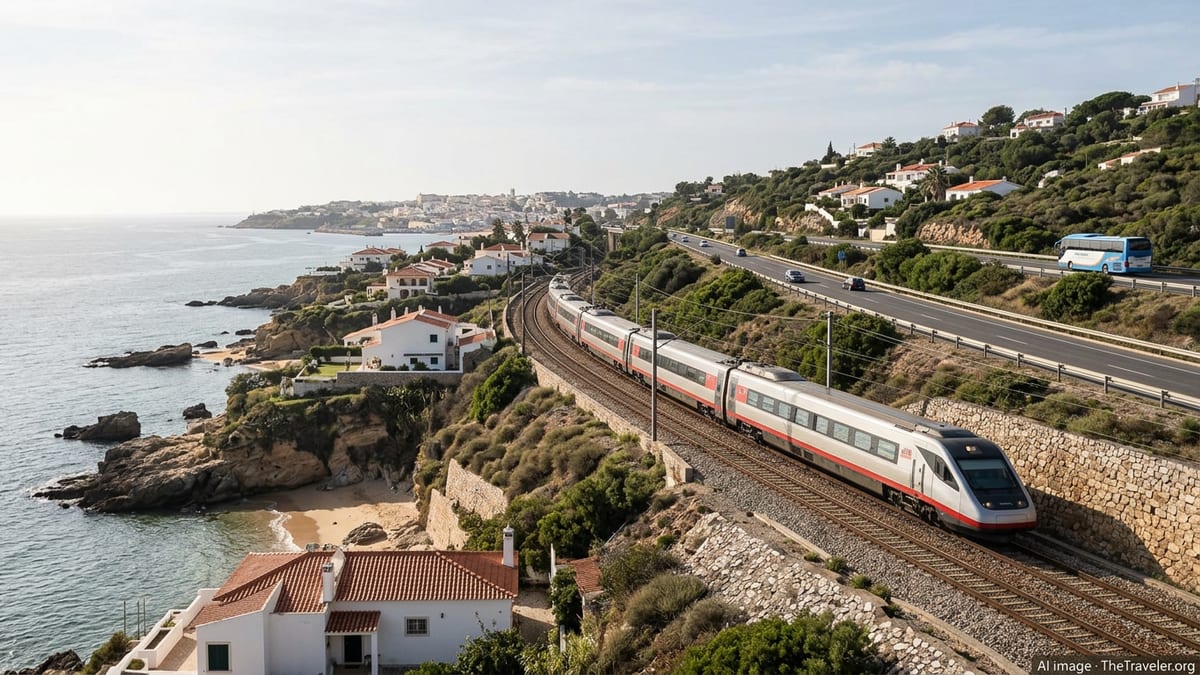
For visitors, Portugal’s scale is one of its greatest transportation advantages. Distances between major cities are relatively short, and a mix of high speed trains, frequent intercity buses and multilane motorways means you rarely need to choose between speed and scenery. Lisbon, Porto and the Algarve coast anchor the national network, with smaller regional cities such as Coimbra, Braga, Évora and Faro connected by both rail and road.
Public transport is strongest along the coastal north south spine of the country and around metropolitan Lisbon and Porto. Rail is excellent for travel between major cities and many medium sized towns, while long distance coaches fill the gaps where train service is limited, particularly across central Portugal and in parts of the Alentejo and interior. Within cities, metro, tram, suburban rail and local bus networks provide good coverage, especially in Lisbon and Porto.
Driving remains popular for reaching rural villages, secluded beaches and wine regions where services are infrequent or absent. The national highway system is extensive, though many sections operate with electronic tolls rather than staffed booths. Car rental is widely available at airports and major rail stations. For many travelers, the most efficient way to see Portugal is to combine rail or coach travel for long intercity trips with targeted car rental days for countryside exploration.
Portugal continues to invest in sustainable mobility. National operator Comboios de Portugal has expanded services on key routes such as the fast Alfa Pendular trains between Lisbon and Porto, and is introducing new regional rolling stock to modernize older lines. Cities are promoting integrated passes that make transferring between metro, bus and suburban train systems easier and more affordable, encouraging visitors to leave cars parked when exploring urban areas.
Train Travel in Portugal: Fast, Scenic and Evolving
Portugal’s rail network, operated mainly by Comboios de Portugal, is the backbone for comfortable long distance travel. Trains link Lisbon with Porto, Braga and Guimarães in the north, and with Faro in the Algarve, as well as inland cities such as Coimbra, Guarda and Évora. Services range from high speed intercity expresses to slower regional lines that stop at small stations in the countryside.
The flagship services are Alfa Pendular and Intercidades. Alfa Pendular tilting trains run primarily on the coastal corridor between Braga, Porto, Lisbon and Faro, reaching up to around 220 kilometers per hour and offering two classes, reserved seating, air conditioning and modern amenities. Intercidades trains connect most major cities and regional hubs, generally a little slower than Alfa Pendular but still fast, comfortable and frequent. Many Intercidades services include a cafe bar, Wi Fi and power outlets in at least some carriages.
Regional and urban trains complete the network. Around Lisbon, suburban trains link the capital with Cascais, Sintra, Setúbal and the south bank of the Tagus. In Porto, urban services radiate from Campanhã and São Bento to the Minho and Douro valleys, as well as to Aveiro and other nearby towns. These services are particularly useful for day trips such as Lisbon to Sintra or Porto to Guimarães, and tickets are generally inexpensive compared with intercity fares.
Rail infrastructure is being upgraded in stages, with new rolling stock arriving to replace older regional units and expansion of services on high demand routes. Timetables and specific fares can change with each seasonal update, so travelers should always confirm departure times and reservation rules shortly before traveling. Major stations such as Lisboa Santa Apolónia, Lisboa Oriente, Porto Campanhã and Coimbra-B are the key hubs where many long distance services begin or end.
Tickets, Passes and Practical Tips for Trains
Buying train tickets in Portugal is straightforward, but it pays to understand the difference between reserved long distance services and flexible urban or regional travel. Alfa Pendular and most Intercidades trains use compulsory seat reservations. On these services, tickets are sold for specific trains and seat numbers, and prices typically vary based on demand, class of service and how far in advance you purchase. Promotional fares may be available on some departures if you book early, especially on busy routes like Lisbon to Porto.
For regional and urban trains, tickets are usually unreserved and valid within a certain time window for the chosen route. Around Lisbon and Porto, urban trains are often integrated with local transport passes and rechargeable smartcards. In Lisbon, for example, a rechargeable Viva Viagem card can be loaded with balance or 24 hour tickets that cover metro, buses, some ferries and certain suburban rail segments, while Navegante cards serve regular commuters with monthly passes across multiple operators. These products are continually refined, so visitors should check current prices and validity zones when they arrive.
Tickets can be purchased from staffed ticket offices at major stations, from multilingual ticket machines and, for many routes, online or via official apps. Machines usually accept cards and cash and allow you to choose language, destination and class. Where reservations are required, you will be assigned a carriage and seat; keep your ticket handy as conductors routinely check it on board. Printing a physical ticket or having a scannable digital code is normally sufficient.
Travelers should factor in seasonality and peak periods. Summer weekends, national holidays and festival periods can see trains between Lisbon, Porto and the Algarve sell out, particularly Alfa Pendular services at popular times of day. Booking ahead for these dates is wise. Outside peak times, you can often secure seats closer to departure. If your plans are flexible and you are comfortable with longer travel times, regional trains can offer a quieter, more scenic alternative, albeit with fewer amenities.
Urban Transport in Lisbon and Porto
Lisbon and Porto each offer layered public transport networks that make visiting without a car both practical and enjoyable. In Lisbon, the metro, city buses, trams, funiculars and elevators work in tandem with suburban rail and ferries across the Tagus. Four main metro lines serve neighborhoods from the airport and northern suburbs down to the historic center and riverfront, generally operating from early morning until shortly after midnight. Trams and funiculars handle steeper hills and heritage routes, particularly around the Alfama and Bairro Alto districts.
To use most Lisbon urban services, visitors typically purchase a rechargeable card that can hold individual tickets, 24 hour passes or stored value. As of the latest updates, single metro and bus tickets loaded onto such cards remain relatively affordable by Western European standards, and 24 hour passes can be good value if you plan intensive sightseeing. The metro is usually the fastest way to cross the city, while trams, though charming, can be crowded in peak tourist seasons and are slower on hilly, historic streets.
Porto’s system centers on the Metro do Porto light rail network, supplemented by city buses and historic trams. Lines extend from the airport and coastal districts into the central Trindade hub and across the Douro River to Vila Nova de Gaia. Suburban rail from São Bento and Campanhã connects to nearby towns and wine country. Like Lisbon, Porto uses contactless cards and integrated passes that allow easy interchange between modes. Machines and ticket offices at major stations sell rechargeable cards and journey titles, and validation is required before boarding or upon entry to platforms.
In both cities, public transport is generally safe and reliable, though petty theft can occur in crowded vehicles or stations, particularly around tourist heavy stops. Keeping bags closed and in sight, avoiding displaying valuables and staying aware of your surroundings is usually sufficient. During late evening hours, frequencies decrease, so checking the last departure times for metro lines or suburban trains before heading out is prudent, especially if you are staying in outlying neighborhoods.
Intercity and Regional Buses: Reaching Every Corner
Where the rails stop, Portugal’s intercity and regional bus companies take over. A national express coach network connects major cities, smaller regional centers and many towns that lack direct train service. Coaches typically operate from dedicated bus terminals in city centers or near main rail stations, making transfers straightforward. For travelers on a budget or those heading to destinations off the primary train corridors, coaches can be the most convenient or even the only practical option.
Express buses link Lisbon and Porto with cities such as Braga, Viseu, Évora, Beja and Lagos, often with multiple departures per day. Vehicles are usually modern, air conditioned and equipped with reclining seats; some offer Wi Fi and USB charging on board. Journey times on express highways are competitive with Intercidades trains on certain routes, though traffic and peak holiday congestion can introduce delays, particularly on corridors serving the Algarve during summer.
Regional and local buses fan out to rural areas, coastal villages and smaller inland towns. These services can be less frequent, especially on weekends and public holidays, and timetables may be oriented around school and commuter patterns rather than tourist convenience. Planning is essential if you intend to rely on regional buses in sparsely populated areas. Where possible, confirm both outbound and return services for the same day, and be prepared for limited evening options.
Tickets for intercity coaches are sold at terminal counters, vending machines and online platforms. Seat reservations are typical for longer journeys. Fares tend to be competitive with or slightly below equivalent train routes, and occasional promotions may reduce prices further on specific departures. For travelers creating complex itineraries through smaller towns, bus company websites and terminal information desks can help map feasible connections, though you may need to interpret schedules with some flexibility.
Driving in Portugal: Highways, Tolls and Rural Roads
Renting a car in Portugal offers maximum flexibility, especially for exploring rural Alentejo, remote Atlantic beaches, mountain villages or dispersed wine estates that are poorly served by public transport. The country’s main motorways are generally in good condition, with clear signage and service areas at regular intervals. Driving is on the right, and speed limits on motorways are typically around 120 kilometers per hour, with lower limits on national and local roads.
Tolls are a key consideration. Many of Portugal’s major highways charge electronic tolls, collected either by overhead gantries or a mix of traditional booths and electronic systems. Some stretches that were once tolled have recently become toll free, while others continue to use purely electronic collection. If you rent a car, agencies commonly offer a transponder device that registers tolls automatically as you drive under gantries. Charges are then added to your rental bill according to the company’s policy, often with a service fee. Without a transponder, paying electronic tolls can be more complicated, sometimes requiring payment at designated points after travel.
In cities, driving is less convenient than using public transport, particularly in Lisbon and Porto where historic centers have narrow, steep streets, one way systems and limited parking. Many central areas have paid on street parking or municipal car parks, with enforcement handled by local authorities. Some cities are introducing low emission or restricted access zones, so drivers should pay attention to signage and avoid entering areas marked for residents or public transport only. Fines for improper parking or entering restricted streets can be substantial.
Road safety standards are broadly in line with other Western European countries, though local driving styles can feel assertive. Standard rules include obligatory seatbelts for all occupants, strict drink driving limits and a ban on using handheld mobile phones while driving. Police checkpoints on busy routes sometimes verify documents and insurance. Carrying your driving license, passport or identity document, rental contract and proof of insurance in the vehicle is recommended at all times.
Car Rental, Parking and Combining Modes
Car rental companies operate from all major airports and from downtown locations in Lisbon, Porto, Faro and other cities. A valid license, a credit card in the driver’s name and minimum age requirements are standard. Many agencies charge higher fees for younger drivers or for cross border travel into Spain, which should be declared in advance if you plan to combine both countries on a single trip. Automatic transmission cars are widely available but often at higher daily rates than manuals, and advance booking is advisable during summer and school holidays.
Parking strategies can shape how well a road trip meshes with city sightseeing. In Lisbon and Porto, it is often easier to park at your accommodation or in a secure lot at the edge of the center, then rely on metro, trams and buses to get around. Several suburban train and metro stations offer park and ride facilities where you can leave a car and continue by public transport into the historic core. In smaller towns, such as Coimbra, Braga or Évora, on street parking or central car parks are usually easier to find, though they may still operate paid zones around main squares.
Many travelers choose a hybrid itinerary: starting in Lisbon or Porto without a car, using urban transport and trains for the first few days, then renting a vehicle to explore the countryside before returning it in another city. For instance, you might take the train from Lisbon to Porto, then rent a car in Porto to explore the Douro Valley and northern interior before dropping the car in Coimbra or back in Lisbon. Planning pick up and drop off points around major stations can minimize city driving while still giving you easy access to rail connections.
When combining modes, pay attention to logistics such as station layouts, baggage handling and transfer times. Major rail hubs typically include car rental desks, taxi ranks and access to local buses or metro lines. Allow extra time if you are unfamiliar with the city or if you need to refuel and return a rental vehicle before catching a train or coach. While Portugal’s transport network is forgiving, last minute sprints across unfamiliar stations are best avoided.
Planning Routes and Choosing the Right Mode
Selecting between trains, buses and driving in Portugal depends on where you are going, your budget and your appetite for independent exploration. For travel between Lisbon and Porto, fast trains are usually the most convenient and comfortable option, with frequent departures and city center to city center journeys that rival domestic flights in total travel time. For Lisbon to the Algarve, both trains and express coaches run regularly, and the choice often comes down to your schedule, whether you value onboard comfort more than cost and how close your final destination is to the train station or bus terminal.
If your itinerary leans toward inland historic towns, hilltop castles and remote beaches, renting a car for at least part of the trip opens up many possibilities that would otherwise be difficult to reach. However, if you prefer not to drive, combining trains and express coaches can still work well. For example, you might take a train to a regional hub such as Faro, Lagos or Évora and then use local buses or guided day tours to reach smaller nearby towns or natural parks.
Time of year matters. In July and August, coastal highways and routes to the Algarve can be heavily congested on Friday evenings and Sunday afternoons as beachgoers drive to and from Lisbon and Porto. During these peaks, trains may be more predictable than driving, though they can also be crowded. In the cooler months, train and bus travel is generally calmer, but some seasonal routes or tourist oriented services, such as heritage trains in wine country, may operate on reduced schedules or not at all.
For travelers conscious of their environmental impact, rail travel is typically the most sustainable option, particularly on electrified main lines. Portugal continues to frame rail expansion as part of its broader climate commitments, and choosing trains for long distance segments while limiting car use to short local hops can significantly reduce the carbon footprint of your trip. Where possible, consider building an itinerary that strings together train accessible cities with occasional bus or car segments to reach remote highlights.
The Takeaway
Portugal’s size, infrastructure investment and varied terrain make it an unusually flexible country to navigate. Between fast intercity trains, extensive express coach routes and a mature highway system, travelers can tailor how they move to match their budget, comfort preferences and travel style. Major cities are easy to explore using public transport alone, while a rental car becomes most valuable when you are intent on discovering small villages, secluded coves and wine estates far from main lines.
Taking time before you arrive to understand basics such as rail reservation rules, urban smartcards, toll systems and parking norms pays real dividends once you are on the ground. With a little planning and a willingness to mix and match modes, you can move smoothly between Lisbon’s hilltop miradouros, Porto’s riverside warehouses, the cliffs of the Algarve and the cork oak landscapes of the Alentejo, all without feeling you have spent your holiday in transit.
The country’s network continues to evolve, from new trains entering service to updated toll policies on key highways and refined integrated fare systems in Lisbon and Porto. Checking current details shortly before travel will keep you aligned with the latest changes, while the core advantages of traveling through Portugal remain constant: manageable distances, diverse landscapes and a transport system that gives you real choice in how you connect them.
FAQ
Q1. Do I need to reserve seats on trains in Portugal?
On long distance Alfa Pendular and most Intercidades services, seats are reserved and tickets are tied to a specific train, while many regional and urban trains use flexible, unreserved tickets.
Q2. Is it better to travel between Lisbon and Porto by train, bus or car?
For most visitors the train is the most convenient option, offering frequent, comfortable city center to city center journeys, while buses can be cheaper and driving offers more flexibility if you plan to make side trips.
Q3. How do electronic tolls work if I rent a car in Portugal?
Rental companies usually provide an optional transponder that automatically records tolls as you pass gantries, with fees later charged to your card according to the agency’s policy.
Q4. Can I rely on public transport to explore the Algarve?
You can reach major Algarve towns by train or express coach and move between larger resorts by local buses, but a car is often useful for remote beaches and smaller villages.
Q5. Are Lisbon and Porto easy to visit without a car?
Yes, both cities have comprehensive metro, bus and tram networks, along with suburban rail, making it practical to rely entirely on public transport and walking.
Q6. Do I need a special driving permit to rent a car in Portugal?
Most visitors can rent with a valid national license, though an International Driving Permit may be recommended if your license is not in Roman characters or if your rental company requests it.
Q7. How far in advance should I book train tickets in Portugal?
For busy routes and peak travel dates, booking as soon as tickets are released helps secure seats and better fares, while off peak regional services can often be bought closer to departure.
Q8. Are intercity buses in Portugal comfortable for long journeys?
Express coaches are generally modern and comfortable, with air conditioning and reclining seats, and some operators provide onboard Wi Fi and charging points.
Q9. What is the safest way to get around Portuguese cities at night?
In larger cities, metro and main bus routes remain reliable until their final runs; using licensed taxis or reputable ride hailing services complements public transport for late returns.
Q10. Is train travel in Portugal suitable for families with children?
Yes, trains offer space to move around, onboard toilets and usually reserved seating on long distance services, making them a practical and relaxed option for families.