

Portugal has become one of Europe's most sought-after destinations, blending Atlantic beaches, historic cities, wine regions and laid-back villages in a compact, easy-to-explore country. Before you book flights to Lisbon or dream of sunsets in the Algarve, it helps to understand how Portugal works: when to go, how much to budget, how to move around, and what cultural quirks and practical details will shape your trip. This guide gives you a clear, up-to-date overview so you can plan with confidence rather than guesswork.
Understanding Portugal at a Glance
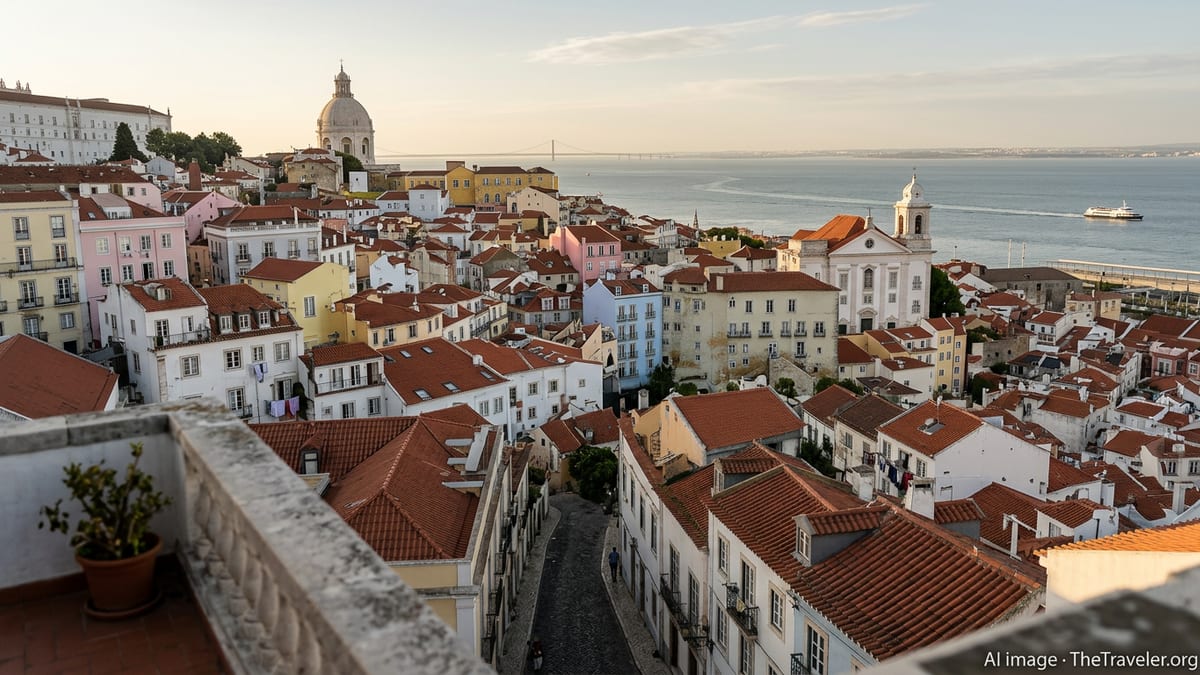
Portugal occupies the western edge of the Iberian Peninsula, sharing a land border with Spain and opening westward to the Atlantic Ocean. Its manageable size means you can combine several regions in a week or two: Lisbon and nearby beaches, Porto and the Douro Valley, the walled towns of the Alentejo, and the cliffs and coves of the Algarve. Many visitors are surprised by how quickly landscapes change, from vine-covered hills to rugged coastlines and cork forests.
Politically, Portugal is a parliamentary democracy and a member of both the European Union and the Schengen Area. The official language is Portuguese, though English is widely understood in tourist areas, large cities and younger generations. In smaller towns and rural regions you will still find people who speak only Portuguese, so a few basic phrases are appreciated.
Portugal uses the euro as its currency. Prices are generally lower than in neighboring Spain and significantly cheaper than in major Western European capitals, although costs in Lisbon, Porto and prime Algarve resorts have risen in recent years as tourism has grown. You can still find good value on accommodation and food, especially outside of peak summer and away from the most famous coastal strips.
The country is often described as relaxed and unhurried. That sense of calm is part of its appeal, but it also means service can be slower than some visitors expect and last-minute bureaucracy may take time. Building flexibility into your days and resisting the urge to over-schedule will help you enjoy Portugal at its own rhythm.
Entry, Visas and Practical Requirements
Portugal is part of the Schengen Area, which has shared border rules for many European countries. Travelers from most EU and Schengen states can enter with a national identity card or passport and do not go through routine passport checks on intra-Schengen flights. Visitors from many non-EU countries, including the United States, Canada, the United Kingdom, Australia and New Zealand, can usually enter visa-free for short stays of up to roughly 90 days in any 180-day period, subject to standard Schengen rules.
Passport validity rules are strict. Your passport should typically be valid for at least three months beyond your planned departure date, although many airlines and border authorities prefer a six-month buffer. If your passport is close to expiring, renew it before travel to avoid being denied boarding.
Health requirements for Portugal are relatively straightforward. There are currently no routine vaccination mandates beyond what most travelers already have, though you should always confirm the latest entry and health guidance from official Portuguese and home-country government sources before you travel. Standard travel insurance that covers medical care, emergency evacuation and trip interruptions is strongly recommended, as non-residents are generally expected to pay for treatment and claim reimbursement later.
On arrival in Lisbon, Porto or Faro airports, border control officers may ask to see proof of onward travel, accommodation details and evidence of sufficient funds, particularly for non-EU visitors. In practice, these questions are not always asked, but having printouts or offline copies of reservations on your phone will make the process smoother if they are.
When to Visit and Weather Considerations
Portugal has a mild, maritime climate with warm summers and relatively gentle winters, although regional differences are significant. Coastal areas such as Lisbon, Porto and the Algarve benefit from Atlantic breezes that keep summer temperatures more moderate than in much of inland Iberia. Interior regions, especially the Alentejo and central plains, can be noticeably hotter in July and August, with temperatures often climbing well above 30 degrees Celsius.
The most popular time to visit is late spring through early autumn, roughly from May to September. May and June offer long days, blooming landscapes and usually comfortable temperatures. July and August are the hottest and busiest months, particularly in beach regions, where accommodation prices and rental car rates peak. September and early October can be an ideal compromise, combining warm sea temperatures and harvest season in wine regions with slightly thinner crowds.
Winter in Portugal is cooler and wetter, especially from November to February. Lisbon and Porto tend to see rain showers interspersed with sunny days, with daytime temperatures that are cool but rarely freezing. The Algarve stays relatively mild and is popular with golfers and long-stay visitors escaping harsher northern European winters. If your focus is city sightseeing rather than beach time, the cooler months can offer lower prices and less crowding, though you should expect some attractions to have shorter opening hours and more changeable weather.
Wildfire risk has grown in parts of Portugal during hot, dry summers in recent years, particularly in forested inland regions. If you are planning hiking or rural stays in peak summer, keep an eye on local advisories and follow instructions regarding trail closures, driving during high-risk periods and any fire bans. Travel plans are rarely affected directly, but awareness is important.
Money, Costs and Tipping
Portugal uses the euro, and cash and cards are both widely accepted. In cities and tourist hubs, contactless payments via debit and credit card are standard in hotels, restaurants, supermarkets and larger shops. Smaller cafes, family-run guesthouses and rural businesses may prefer cash, so it is sensible to carry some notes and coins for small purchases, tolls in less modern booths or village markets.
ATMs are common in urban areas and most medium-sized towns, and they generally offer fair exchange rates when you use a card from your home bank. When withdrawing or paying by card, you may be asked whether to be charged in your home currency instead of euros. Choosing to be charged in euros and letting your bank handle the conversion is usually better value than dynamic currency conversion offered by the terminal.
Daily travel costs in Portugal vary by region and style, but many visitors find that mid-range budgets go further than in much of Western Europe. Simple breakfasts in cafes, set lunch menus and local wine can be very reasonably priced. City-center hotels and trendy restaurants in Lisbon, Porto and hotspots in the Algarve are noticeably more expensive than smaller inland towns and secondary cities, where accommodation and meals can still be relatively modestly priced.
Tipping in Portugal is appreciated but not rigidly codified. Service charges are not automatically included in most bills. Locals might leave small change or round up in cafes and bars. In restaurants with table service, many visitors leave around 5 to 10 percent if they are happy with the meal and service, more for exceptional experiences. Taxi drivers often receive a small round-up rather than a fixed percentage. Tipping housekeepers and guides is optional, but a few euros for good service is a kind gesture.
Getting Around: Transport and Driving
Portugal is relatively easy to navigate. Lisbon, Porto and other major cities have public transport networks that combine metro lines, trams, urban trains and buses. In Lisbon, the metro connects the airport to central districts, with trains typically running from early morning until around 1 a.m. Buses and trams cover areas beyond the metro lines and are integrated with the same rechargeable travel cards, making transfers straightforward once you understand the basic system.
Intercity travel by train is efficient on the main north-south spine linking cities such as Braga, Porto, Coimbra and Lisbon. High-speed or fast intercity services are faster and more comfortable than regional trains, with advance booking often giving the best fares. Buses supplement the rail network and can be the most practical option for reaching medium-sized towns without direct train service, especially in the Alentejo, central Portugal and some coastal areas.
Renting a car gives you greater flexibility, particularly for exploring the Algarve beyond the main resort towns, visiting hilltop villages or reaching rural guesthouses and vineyards. Roads are generally in good condition, but city driving in Lisbon and Porto can be challenging, with narrow streets, steep hills, tram tracks and limited parking. Many visitors prefer to pick up a rental car only when leaving the big cities rather than driving in urban cores.
Portugal has an extensive network of toll roads, many operated electronically. Traditional booths with attendants are gradually less common, and some routes use automatic overhead gantries to record number plates or electronic tags without barriers. Visitors who plan to drive significant distances may find it convenient to use an electronic toll system provided by rental agencies or local operators, which allows charges to be collected automatically and billed later. If you prefer to pay manually, you should research in advance how tolls work on the specific routes you expect to drive, as procedures differ by concession and motorway.
Health, Safety and Responsible Travel
Portugal is generally considered a safe country for travelers, with relatively low violent crime rates and a welcoming attitude toward visitors. Petty crime such as pickpocketing and bag snatching can occur in crowded areas, on public transport and around major landmarks, especially in Lisbon and Porto. Using common-sense precautions, such as keeping valuables out of sight, avoiding leaving bags unattended and staying alert in crowds, reduces the likelihood of problems.
Health care standards in Portugal are high. Public hospitals and clinics provide competent care, and private facilities are available in major cities and resort regions. Travelers should keep a record of any medical conditions, carry necessary medications in original packaging, and have travel insurance details accessible. Pharmacies are abundant, and pharmacists can advise on minor ailments or direct you to medical services if needed.
Portugal’s long coastline and sunny climate draw many visitors to the sea. Beach safety flags are used to indicate swimming conditions, and they should be taken seriously. The Atlantic can produce strong currents and waves, particularly on the western coast and outside sheltered bays. Lifeguards patrol many popular beaches in summer, but not all beaches are supervised year-round, so exercising caution is important.
Responsible travel in Portugal also means being mindful of local communities facing the pressures of rising tourism and housing costs. Choosing locally owned accommodation and restaurants where possible, traveling outside peak dates, exploring less-visited regions and respecting quiet hours in residential neighborhoods all help tourism remain sustainable. Sorting waste, conserving water in drought-prone summers and following designated trails in natural areas contribute to environmental protection.
Cultural Etiquette and Everyday Life
Portuguese society combines strong traditions with a relaxed public manner. Courtesy is valued, and small gestures of politeness go a long way. Greeting shopkeepers and restaurant staff with a simple hello in Portuguese when you enter and thanking them when you leave is common. People tend to speak in moderate tones in public places; loud voices or visibly frustrated behavior can be frowned upon.
Daily schedules run later than in many northern European countries, though they are not as late as in some parts of southern Europe. Lunch is usually between roughly 12:30 p.m. and 2:30 p.m., while dinner often starts around 8 p.m. or later. In less touristy areas, some restaurants may close between lunch and dinner, and small shops may shut for a mid-afternoon break. In cities and resort regions with many visitors, continuous service is more common.
Food is central to social life. Traditional Portuguese cuisine features seafood, grilled meats, soups, stews and regional specialties, often accompanied by local wines. Portions can be generous, and lingering over meals is normal. When you sit down in many restaurants, servers may bring small dishes of bread, olives or cheese. These are typically not free; you can politely decline if you do not want to be charged for them when the bill comes.
Dress codes in Portugal are generally informal but tidy. Beachwear is for the beach, not for city streets, churches or most indoor public spaces. When visiting religious sites, it is respectful to avoid very revealing clothing and to speak quietly. Photography is normally welcome in public areas, but asking permission before taking close-up photos of individuals, especially in rural communities or traditional events, is sensible.
Planning Your Itinerary: Key Regions and Trip Length
Portugal’s compact size makes it tempting to try to see everything, but it is wise to prioritize rather than rush. First-time visitors with about a week often focus on Lisbon and its surroundings, sometimes adding a short visit to Porto or the Algarve. With around ten days to two weeks, you can comfortably combine two or three major areas without spending most of your time in transit.
Lisbon is the natural starting point for many trips, with its historic neighborhoods, riverside walks and nearby excursions to coastal Cascais or the palaces of Sintra. Porto offers a different atmosphere, with its steep riverbanks, port wine lodges across the Douro and easy access to the Douro Valley’s terraced vineyards. The Algarve, in the far south, is known for sandy beaches and dramatic cliffs, with quieter western stretches contrasting with busier resort towns in the central coast.
Beyond these well-known hubs, central Portugal features university town charm in Coimbra, hilltop castles and forested mountains, while the Alentejo region stretches across rolling plains dotted with cork oaks, whitewashed villages and fortified towns. Inland areas often feel less crowded, and they can give a deeper sense of everyday Portuguese life. Island regions such as Madeira and the Azores, each with their own distinct landscapes and microclimates, are popular for hiking, whale watching and nature-focused trips, though they require separate flights from the mainland.
When planning, consider travel times between bases, not just distance on a map. Train and highway links are good on main axes, but country roads slow down travel in rural regions. Building in at least two or three nights in each stop, rather than a series of one-night stays, will make your trip feel more relaxed and allow time for unscripted discoveries.
The Takeaway
Portugal rewards thoughtful planning with an experience that feels both accessible and genuinely local. Understanding the basics of entry rules, seasons, transport options, costs and cultural etiquette will help you avoid common frustrations and focus on the pleasures that bring people back: sea air, historic streets, long dinners and open landscapes.
Whether your priorities are city culture, coastal relaxation, wine and food, or quiet time in smaller towns, Portugal offers combinations to suit many travel styles and budgets. By traveling in seasonally smart ways, respecting local rhythms and venturing beyond the most crowded spots, you can enjoy the country’s growing popularity while still finding the calm and authenticity that make it special.
FAQ
Q1. Do I need a visa to visit Portugal for tourism?
Visa rules depend on your nationality and the length of your stay. Many travelers from Europe and several non-EU countries can enter visa-free for short visits under standard Schengen rules, but you should always check current requirements with official government sources before booking.
Q2. What is the best month to visit Portugal?
There is no single best month, but many visitors favor May, June, September or early October, when the weather is generally pleasant, the sea is warming or still warm, and crowds and prices are usually lower than in peak summer.
Q3. Is Portugal expensive compared with other European countries?
Portugal is often more affordable than many Western European destinations, although costs vary by region and season. Lisbon, Porto and parts of the Algarve have become pricier, while inland towns and less touristed regions remain relatively good value.
Q4. Is it safe to drink tap water in Portugal?
Tap water is generally considered safe to drink throughout most of Portugal. Some visitors prefer bottled water for taste or out of caution, but locals routinely drink tap water in cities and towns.
Q5. Do people speak English in Portugal?
English is widely spoken in tourist areas, hotels and many restaurants, especially by younger people. In smaller towns and rural areas, English may be less common, so learning a few basic Portuguese phrases is helpful and appreciated.
Q6. Should I rent a car to travel around Portugal?
Renting a car is not essential, but it can be very useful if you want to explore rural regions, smaller coastal villages or vineyards. For city-focused trips between Lisbon and Porto, trains and public transport are often more convenient than driving and parking.
Q7. How do toll roads work in Portugal?
Portugal uses a mix of traditional toll booths and electronic systems. On some routes, overhead gantries record your car’s license plate or electronic tag as you pass, and charges are billed automatically or must be paid later through designated channels, so it is important to understand how your rental agency or chosen payment option handles tolls.
Q8. Is Portugal safe for solo travelers and women traveling alone?
Portugal is widely regarded as safe for solo travelers, including women, when normal travel precautions are followed. As in any country, it is wise to stay aware of your surroundings, avoid poorly lit areas at night and secure valuables in crowded places.
Q9. What should I wear in Portugal?
Dress is generally casual but neat. Lightweight clothing is suitable in summer, with layers for cooler evenings and coastal breezes. Beachwear should be reserved for beaches and pools, and more modest dress is appropriate in churches and religious sites.
Q10. Do I need travel insurance for Portugal?
Travel insurance is not legally mandatory for many visitors, but it is strongly recommended. A good policy can help cover medical care, emergency evacuation, trip delays, cancellations and lost luggage, which provides added peace of mind even in a relatively safe and well-serviced country.