

Choosing between Portugal and France is a classic good problem to have. Both countries are world-class destinations, attracting tens of millions of visitors a year with their mix of history, coastline, food, wine, and vibrant cities. Yet the experiences on offer can feel very different on the ground. For travelers trying to decide where to spend limited vacation days and budget, understanding those differences is crucial.
Overall Vibe and First Impressions
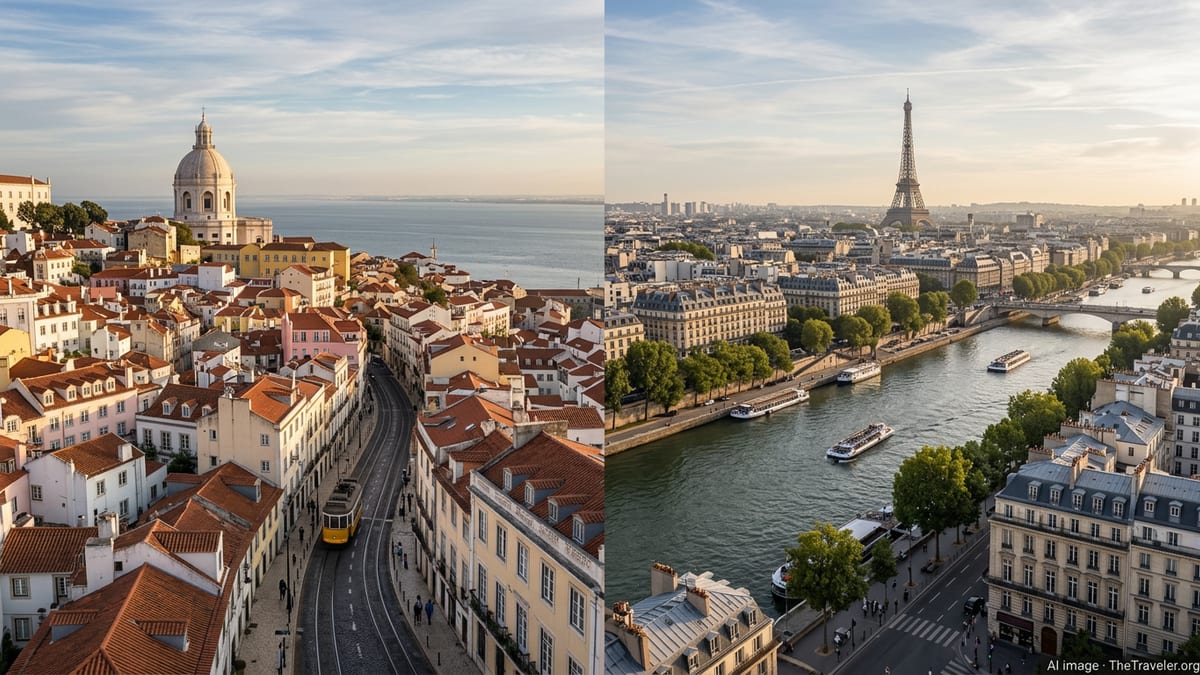
Many visitors describe their first impression of Portugal as relaxed, intimate, and quietly charismatic. Lisbon and Porto feel like big small towns, with cobbled streets, tiled facades, and viewpoints that unfold over terracotta rooftops and the Atlantic. The pace tends to be slower, nightlife is lively without feeling overwhelming in most neighborhoods, and conversations with locals can quickly turn into recommendations, stories, and impromptu glasses of wine. Even in heavily visited areas, Portugal still often feels approachable rather than grand.
France, by contrast, frequently feels larger in scale and more overtly glamorous. Paris, Nice, Lyon, Bordeaux, and the Riviera project a sense of polished culture that many travelers dream about long before they arrive. Monumental architecture, grand boulevards, and famous museums can make a first-time visitor feel as if they have stepped into a film set. Outside the major cities, the mood softens into pastoral calm in regions like Provence, Normandy, or the Loire Valley, but the national image of style and sophistication remains strong wherever you go.
In terms of visitor numbers, France remains one of the most visited countries on earth, with tourism representing a significant share of its economy and a strong rebound in international revenue in recent years. Portugal, with a population of about 10 million, now welcomes more than three times that number in annual visitors and continues to set new records, but still receives far fewer people overall than France. For travelers, that can translate into a slightly less intense sense of crowding in many Portuguese destinations, although the most famous districts and beaches can still feel packed in peak season.
Ultimately, if you lean toward a trip that feels polished, iconic, and cosmopolitan, France often fits the bill. If you want somewhere that blends characterful cities with a more easygoing, neighborhood feel, Portugal may strike you as the more welcoming first impression.
Costs, Crowds, and Practicalities
On average, Portugal is still considered one of Western Europe’s more affordable destinations, particularly outside the tightest tourist cores of Lisbon and Porto. Accommodation, restaurant meals, and everyday costs such as coffee or local transport tend to run lower than in France’s major cities and resort areas. Recent reports also highlight Portugal’s appeal to budget-conscious travelers and expats from higher cost countries, who find day-to-day living and travel expenses relatively manageable compared with other Mediterranean destinations.
France offers a broader spread of price points, from simple rural guesthouses and small-town hotels to some of the most expensive luxury properties in Europe. Paris and the Riviera in high season can be among the priciest urban and coastal destinations on the continent, especially near major landmarks or seafront promenades. However, travelers who are willing to stay in less central neighborhoods, use public transport, and seek out set lunch menus can still experience France at a moderate cost. Rural regions and smaller cities often feel much more affordable than the country’s glossy tourist hubs.
When it comes to crowds, France’s leading sights are known for heavy footfall, particularly in and around Paris, major museums, and headline coastal stretches. The strong rebound in overnight stays and the draw of recent international events have kept pressure high on central districts and classic attractions. Portugal is not far behind in terms of growth, with overnight tourists hitting new records and coastal areas in the Algarve and certain neighborhoods in Lisbon and Porto feeling the strain during summer and popular holiday weekends.
Both countries are examining how to manage rising tourism, from regulating short-term rentals to introducing visitor caps or fees in sensitive natural areas. On the Portuguese island of Madeira, for example, new booking systems and access fees now apply to some of the most popular hiking trails in response to concerns about overcrowding and environmental impact. In parts of France, debates over the housing impact of short-term rentals and overtourism in landmark districts mirror similar tensions. For visitors, this means planning ahead, reserving key experiences early, and considering shoulder or off-season travel can make trips smoother and more enjoyable in both countries.
Culture, History, and City Experiences
France’s cultural footprint is enormous, from the Louvre and the Musée d’Orsay in Paris to the chateaux of the Loire and Roman monuments in cities like Nîmes and Arles. Paris alone could fill multiple trips with world-class museums, historic churches, and grand architecture. Beyond the capital, cultural itineraries might include the wine heritage of Bordeaux and Burgundy, the Impressionist connections of Normandy, or the alpine history and mountain culture of Chamonix and the broader French Alps. The country’s long history as a global artistic and intellectual center still shapes how visitors experience its cities and institutions.
Portugal offers culture on a more intimate scale, but with no less depth. Lisbon’s hilltop castle, pastel-painted houses, and intricate azulejo tiles tell the story of a maritime empire and centuries of trade. Porto’s riverside warehouses and bridges reflect its past as a mercantile powerhouse and the home of port wine. Smaller cities such as Coimbra, Évora, Braga, and Guimarães reward travelers interested in medieval streets, Roman ruins, and university traditions. Religious sites like Fátima also draw large numbers of pilgrims and curious visitors, adding a very different cultural layer to a Portuguese itinerary.
In terms of atmosphere, French cities, especially Paris, tend to feel more formal in some contexts, with longstanding social customs around dining, fashion, and public behavior. Many travelers appreciate that sense of structure and style, especially in neighborhoods lined with classic cafes and boutiques. Portuguese cities often come across as more casual, with locals lingering in small bars, traditional bakeries, and neighborhood tascas. Street art, contemporary design, and a growing tech and creative scene in Lisbon and Porto add a modern twist to their historic centers.
Language can also shape the cultural experience. In both countries, English is widely understood in major tourist areas, but a few words of the local language are appreciated. Portuguese pronunciation can be challenging at first listen, while French has its own set of famously tricky sounds and grammar. In both destinations, small efforts such as greeting shopkeepers and servers in the local language can make interactions noticeably warmer.
Food, Wine, and Nightlife
France is almost synonymous with culinary prestige. From buttery croissants and baguettes at breakfast to multi-course dinners in bistros or Michelin-starred restaurants, food is at the heart of the travel experience. Regional specialties range from oysters and cider in Normandy to bouillabaisse on the Mediterranean coast, hearty dishes in Lyon, and refined fare in Paris. Wine regions such as Bordeaux, Burgundy, Champagne, and the Rhône Valley are destinations in their own right, drawing travelers who plan entire itineraries around tastings, vineyard stays, and cellar tours.
Portugal’s food scene feels more understated internationally but delights many visitors on the ground, especially those looking for generous portions and bold, comforting flavors. Grilled fish, cataplana seafood stews, salted cod dishes, and hearty soups anchor many traditional menus, often at prices that are easier on the wallet than their French equivalents. Pastéis de nata, Portugal’s signature custard tarts, have become a global export but taste best fresh from a neighborhood bakery. Wine regions like the Douro Valley, Alentejo, and the Vinho Verde area offer scenic landscapes and increasingly sophisticated tasting experiences, while fortified wines such as port and Madeira add a distinctive note.
Nightlife differs in tone as well. Paris, Lyon, Marseille, and the Riviera cities host everything from classic jazz clubs and cocktail bars to big nightclubs and live music venues. In high season, coastal towns on the Mediterranean can feel like continuous parties, particularly for younger visitors. Portugal’s nightlife, especially in Lisbon, Porto, and seaside resorts in the Algarve, can be equally late and lively, but many visitors report a generally more laid-back and less dressy atmosphere. Rooftop bars, riverfront promenades, and casual music venues are common gathering spots, and fado houses in Lisbon and Coimbra offer a more contemplative cultural night out built around traditional song.
For travelers who build their trips around restaurants and wine, France offers a denser concentration of famous names and globally celebrated regions. Portugal, on the other hand, often surprises food-focused visitors with excellent value, generous hospitality, and a culinary scene that feels less choreographed and more everyday in the best possible sense.
Landscapes, Beaches, and Outdoor Adventures
Both Portugal and France offer outstanding natural scenery, but the mix of landscapes and the way travelers access them can feel quite different. Portugal’s geography is deeply tied to the Atlantic, with a rugged west coast, surf-friendly breaks, and a long chain of sandy beaches along the Algarve. Inland, wine terraces climb the steep slopes of the Douro Valley, while the Alentejo’s rolling plains and cork forests provide a slower rural escape. Offshore, Madeira and the Azores offer volcanic peaks, crater lakes, and dramatic coastal trails, although growing visitor numbers are prompting new management measures in the most fragile areas.
France, by contrast, spreads its natural appeal over a much larger territory. The country encompasses Atlantic beaches in Brittany and the southwest, Mediterranean coves along the Riviera, alpine peaks in the east, and extensive river valleys. Skiing and snow sports are major draws in the French Alps and Pyrenees during winter and early spring, while hiking, cycling, and climbing take over in the warmer months. Coastal experiences range from wild, windswept stretches in Normandy to yacht-filled harbors in the south.
For beach-focused travelers, Portugal can feel more compact and easier to navigate, especially if you base yourself in the Algarve, near Lisbon’s nearby coastal towns, or along the Silver Coast north of the capital. Many beaches remain relatively wild, with cliffs, dunes, and fewer high-rise developments than you might find in some parts of southern France. In France, beach experiences vary widely in character, from family-friendly resorts to party-oriented Riviera towns and quieter stretches of sand in regions like the Vendée or Landes.
Outdoor enthusiasts will find serious hiking in both countries, but the style differs. Portugal’s long-distance coastal routes, levada walks in Madeira, and short but steep urban viewpoints offer plenty for casual and intermediate hikers. France’s alpine and Pyrenean terrain attracts more committed mountain trekkers, though there are also abundant lowland and coastal trails. Cycling is developing rapidly in Portugal, especially in regions like the Alentejo, while France has a deeply established cycling culture, with scenic routes through wine country and mountain passes that challenge serious riders.
Seasonality, Weather, and When to Go
Portugal generally offers milder winters and slightly warmer year-round temperatures than much of France, especially in the south and on its Atlantic islands. Lisbon and the Algarve often see pleasant, sunny days even in the cooler months, making them attractive options for travelers wanting to escape colder northern climates without flying too far. The peak summer months can be very hot in inland Portugal, but ocean breezes moderate conditions in many coastal areas. Shoulder seasons such as April to early June and September to October are particularly appealing for comfortable temperatures and somewhat lighter crowds.
France’s climate varies widely between regions. Paris and much of the north experience cool, often gray winters and warm but changeable summers. The Mediterranean coast enjoys hot, dry summers and mild winters, drawing visitors almost year-round, while the Alps and Pyrenees bring proper snow seasons for winter sports. Spring and autumn can be enchanting times in many French regions, with blooming landscapes, harvest festivals, and more workable temperatures for city sightseeing and countryside drives.
In both countries, the high summer season from roughly late June through August brings the busiest crowds, highest prices, and hottest weather in many destinations. French school holidays and August vacation patterns mean that domestic tourism peaks at the same time as international arrivals, crowding beaches, roads, and major attractions. In Portugal, domestic and international travel also concentrate heavily in the third quarter of the year, sending occupancy rates soaring in coastal regions and popular cities.
For travelers with flexible dates, visiting either Portugal or France outside the peak weeks can dramatically change the feel of the trip. City breaks in Lisbon, Porto, or Paris in late winter or early spring can be crisp but manageable, with shorter lines for museums and better hotel rates. Rural escapes in Alentejo or Provence are often at their best in late spring or early autumn, when temperatures soften and vineyards and olive groves come alive with seasonal work and events.
Who Each Destination Suits Best
Both Portugal and France can work for almost any kind of traveler, but certain profiles might find one destination a more natural fit. First-time visitors to Europe who want a classic, museum-rich city experience with instantly recognizable landmarks often gravitate toward France, especially Paris. Art lovers, serious food and wine enthusiasts, and travelers who enjoy a certain urban polish and formality will find a deep bench of options across the country, from design-forward hotels to gourmet restaurants and iconic cultural venues.
Portugal, on the other hand, can be especially rewarding for travelers who value a relaxed pace, compact itineraries, and a strong sense of local neighborhood life. It is often recommended to people who want a mix of city, coast, and countryside without constant long-distance travel. Families may appreciate the friendliness toward children in restaurants and public spaces, while solo travelers and digital nomads cite its relatively gentle learning curve, walkable cities, and growing international communities as advantages.
For beach holidays, both countries deliver but in different ways. The French Riviera and Atlantic coast combine beaches with a long-established resort culture and a global reputation for glamour in certain pockets. Portugal’s beaches tend to feel a bit wilder and, in many areas, less heavily built up, appealing to surfers, walkers, and travelers who prefer clifftop viewpoints to long lines of beach clubs. Those seeking winter sun within Europe often find southern Portugal and the islands more consistently mild than most French coastal regions.
Budget can also be a deciding factor. Travelers working with tighter funds or planning longer stays often find their money stretches further in Portugal, especially outside the top tourist months and away from the most central districts. Those prepared to spend more for iconic experiences, such as dining in famous French restaurants or staying in historic chateaux or Riviera hotels, may see France as a worthwhile splurge, particularly for special occasions and once-in-a-lifetime trips.
The Takeaway
Choosing between Portugal and France ultimately comes down to matching your travel style, budget, and priorities with what each country does best. France offers breadth and global icon status: a wealth of art and history, diverse regions stretching from the Alps to the Mediterranean, and a culinary and wine culture that shapes expectations worldwide. It is ideal for travelers who want big-city energy, high cultural density, and the option to combine multiple very different landscapes in a single trip, provided they are comfortable navigating larger crowds and, in some areas, higher prices.
Portugal delivers a more compact, often more affordable version of many things travelers seek in Western Europe. You can move efficiently between historic cities, Atlantic beaches, wine valleys, and rural plateaus without constantly changing countries or languages. The atmosphere is generally relaxed and hospitable, the food and wine are distinctive and increasingly celebrated, and while visitor numbers are climbing quickly, many places still feel more neighborhood than stage set. For travelers who want a gentle introduction to southern Europe, or a slower, more introspective trip with plenty of sea views and hilltop sunsets, Portugal can be hard to beat.
For some travelers, the best solution is not to choose at all. High-speed rail and short flights link major Portuguese and French cities, making two-country itineraries realistic for longer vacations. A week split between Lisbon and Paris, or a journey that pairs Porto and the Douro with Bordeaux or Lyon, can offer an illuminating contrast. Whether you pick one destination or try to sample both, being honest about your priorities and travel style will help ensure that your European adventure feels less like a compromise and more like a perfect fit.
FAQ
Q1. Which is cheaper for travelers, Portugal or France?
Portugal is generally more budget friendly, especially for accommodation, everyday meals, and local transport, though prices in central Lisbon and Porto have been rising.
Q2. Which country is better for first time visitors to Europe?
France, particularly Paris, offers the classic first time European experience of famous landmarks and museums, while Portugal can feel more relaxed and manageable in scale.
Q3. Where will I find better beaches, Portugal or France?
Portugal’s Atlantic coastline and the Algarve offer long sandy beaches and surf, while France combines wilder Atlantic stretches with more developed Mediterranean resorts.
Q4. Is France safer than Portugal for tourists?
Both countries are broadly safe for visitors. Most issues involve petty theft in busy urban areas, so standard big city precautions are important in each destination.
Q5. Which country has better food, Portugal or France?
France has a wider global reputation for fine dining and wine regions, while Portugal impresses many visitors with hearty dishes, fresh seafood, and excellent value.
Q6. When is the best time to visit Portugal compared with France?
Portugal is pleasant much of the year, with mild winters and warm summers, while France’s best seasons depend more on region, from winter ski trips to summer in the south.
Q7. Which is better for families with children?
Both can work well, but Portugal’s compact cities, friendly restaurant culture, and beach resorts often feel especially easygoing for families with younger children.
Q8. Is it easy to get around without a car in either country?
Major cities and popular routes in both Portugal and France are well served by trains and buses, though renting a car can be useful for rural areas and smaller towns.
Q9. Which destination is better for outdoor activities?
Portugal is excellent for surfing, coastal hiking, and island adventures, while France stands out for alpine sports, cycling, and a wide variety of hiking landscapes.
Q10. Can I realistically visit both Portugal and France in one trip?
Yes, with at least 10 to 14 days you can combine major cities or regions in both countries using short flights or rail connections, though you will need to prioritize.