

More news on this day
Rolling power cuts in Tehran following renewed attacks on Iranian energy and industrial sites are deepening the impact of the war on residents and adding a fresh layer of uncertainty for global travelers already grappling with disrupted routes across the Middle East.
Get the latest news straight to your inbox!
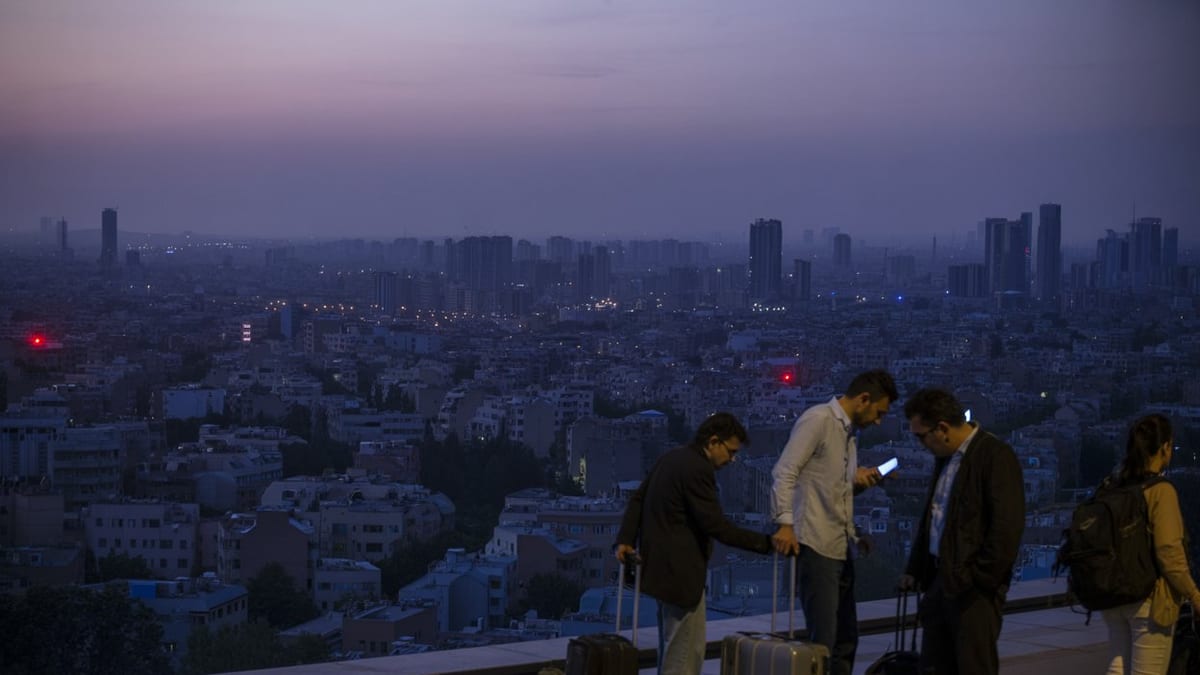
Image by Travel And Tour World
Strikes On Energy Facilities Spill Into The Capital
Reports from regional and international media describe a series of recent strikes on Iranian energy and industrial infrastructure, including gas and oil installations linked to South Pars, Kharg Island and other sites that are central to the country’s export revenues. The latest phase of the conflict has seen energy assets move closer to the center of military escalation, with explosions and fires periodically visible around major hubs.
Coverage from Tehran and nearby cities indicates that these attacks have strained an already pressured power grid. In some eastern districts of the capital, residents have reported partial blackouts after overnight airstrikes, with electricity returning intermittently as engineers attempt to reroute supply. While Iran’s grid is extensive and built with redundancy, concentrated hits on generation and transmission assets are increasingly translating into rolling cuts at street level.
Publicly available information shows that governments involved in the conflict are weighing whether to resume or expand strikes on power plants and refining capacity after short-lived pauses. Energy analysts note that the targeting of such facilities is intended to limit Iran’s ability to finance the war, but the immediate effect is to intensify hardship for civilians and complicate the operating environment for airlines, hotels and travel providers that still maintain a presence in the country.
The sight of plumes of smoke rising near industrial zones on the outskirts of Tehran, combined with reports of flickering lights and sudden outages, underscores how a conflict initially framed around strategic military assets is now disrupting essential services in and around the capital.
Daily Life In Tehran: Transport, Services And Tourism Under Strain
For residents and the limited number of visitors still in Tehran, intermittent power has quickly become more than an inconvenience. Local accounts describe traffic signals cutting out at key junctions, shopping centers closing early, and hotels relying on backup generators to keep basic services running. In some neighborhoods, apartment buildings now post handwritten schedules in lobbies to warn occupants about expected outages.
Public transport systems are also feeling the strain. Tehran’s metro and electric-powered infrastructure are designed to cope with occasional disruptions, but repeated voltage drops can slow services and force operators to reduce frequency. Road congestion worsens when rail alternatives are less reliable, lengthening airport transfer times and complicating tour itineraries for the small but still present flow of business travelers and aid workers.
Tourism in Iran had already been hit hard by the wider conflict, visa complications and security advisories. The added risk of sudden blackouts is pushing many international tour operators to suspend or reconfigure itineraries that once featured Tehran’s museums, bazaars and contemporary art scene. Some travel companies have shifted promotional materials to emphasize future, post-conflict trips rather than urging clients to visit in the coming months.
For local businesses that depend on foreign guests, from boutique hotels in central districts to guides offering day trips to nearby cultural sites, the combination of war, sanctions and power cuts is eroding a fragile revenue base. Many now report operating on reduced hours, limiting services to daytime windows when electricity is more predictable.
Airspace Closures And Rerouted Flights Reshape Long Haul Travel
The turmoil within Iran’s energy sector is unfolding alongside sweeping restrictions in regional airspace that are reverberating across global aviation networks. Large sections of the skies over Iran, Iraq, Bahrain and Kuwait remain closed or heavily limited as the conflict continues, according to aviation advisories and flight-operations groups. Airspace over Israel, the United Arab Emirates and Qatar is also subject to tight controls, forcing airlines to carve out narrow, crowded corridors around active conflict zones.
These restrictions, combined with concerns about potential retaliatory strikes on energy infrastructure across the Gulf, are prompting carriers to replot some of the world’s busiest East–West routes. Long haul flights that once passed over Iran to connect Europe with India, Southeast Asia and Australia are now detouring via alternative paths, adding time in the air, consuming more fuel and driving costs higher.
Travel industry analyses highlight that the war has already led to the suspension or reduction of services by several major airlines into key Middle Eastern hubs. Some operators that relied on Tehran as a niche stopover destination had withdrawn even before the latest power cuts, and the new instability around the capital’s grid further reduces the likelihood of a rapid return.
For passengers, the consequences are visible in longer itineraries, tight connection windows and an uptick in missed flights when cascading delays ripple across networks. Travel advisers are increasingly recommending that customers build extra buffer time into itineraries that come anywhere near the region, even if their tickets do not list a Middle Eastern airport.
Global Energy Shocks Feed Back Into Travel Costs
The strikes on Iranian energy facilities are also driving volatility in global oil markets, with prices jumping as traders factor in damage to gas fields, refineries and export terminals. Analysts monitoring futures markets point to the near closure of the Strait of Hormuz at various points in the conflict, alongside heightened threats to regional pipelines and offshore platforms, as reasons for a sharp risk premium on crude.
Higher oil prices feed quickly into aviation fuel costs, which form one of the largest expense lines for airlines. Publicly available guidance from carriers indicates that many are reviewing fuel surcharges and yield management strategies for the next quarter, particularly on long haul itineraries that already face war-related detours. Some discount fares that survived the first weeks of the conflict are now being replaced with higher base prices.
This dynamic is affecting not only trips that cross the Middle East but also journeys in Europe, Asia and the Americas, where airlines must absorb higher global fuel costs even if they avoid the region’s airspace entirely. Travel industry commentators note that rail and bus operators in some markets may be more insulated when they rely on electricity rather than diesel, but the broader cost-of-living pressures tied to energy markets still weigh on consumer travel budgets.
For Iran itself, disruption to energy exports erodes the foreign currency earnings that support imports, including aviation parts and tourism infrastructure. As sanctions and war-related restrictions limit the country’s access to international finance, maintaining safe, reliable travel services becomes more difficult, reinforcing a cycle in which fewer travelers are willing to come.
Advice For Travelers Navigating A Shifting Risk Landscape
Against this backdrop of war, power cuts and airspace upheaval, travelers planning routes that might intersect with Iran or its neighborhood are being urged by public advisories and travel experts to take a more cautious and flexible approach. Government travel alerts in several countries now reference the possibility of sudden airport closures, missile or drone activity, and disruption to critical infrastructure, including electricity and communications.
Travel risk consultants advise passengers to pay close attention to the routing of tickets, not just origin and destination. A journey from Europe to South Asia, for instance, may now involve longer northerly or southerly detours, or last-minute rebooking if a carrier removes Iran-adjacent corridors from its schedule. Those with nonrefundable fares or tight business schedules may face particular challenges as timetables shift.
For those already in Tehran or other Iranian cities, common recommendations include maintaining offline copies of essential travel documents, keeping mobile devices charged whenever electricity is available, and confirming airport transfers and flight status through multiple channels where possible. Hotels that operate backup power and maintain their own water reserves are becoming especially valuable for international guests.
Although the future trajectory of the conflict remains uncertain, the current pattern suggests that disruptions linked to attacks on energy facilities will continue to ripple through both Iran’s domestic life and global travel systems. Travelers and industry operators alike are watching closely to see whether efforts to deescalate include meaningful steps to protect the infrastructure that keeps planes flying and cities like Tehran lit.