

Lake Superior is as beautiful as it is unforgiving. Its cold depths, fast-changing weather and remote shorelines can turn a casual outing into an emergency in minutes. With thoughtful preparation and realistic expectations, however, you can explore the lake’s wild beaches, islands and coastal towns safely and in relative comfort, whether you are hiking, driving the circle tour, or heading out on the water.
Understanding Lake Superior’s Unique Hazards
Lake Superior is the largest and deepest of the Great Lakes, and its size creates conditions that feel closer to a small ocean than an inland lake. Weather systems can build quickly over the cold water, producing strong winds, steep waves and dense fog. Even in mid-summer, the water often remains cold enough to provoke dangerous cold shock and hypothermia for anyone who falls in. Visitors used to smaller inland lakes sometimes underestimate how quickly the environment can shift from calm and inviting to rough and disorienting.
Cold water is one of the defining risks. Nearshore surface temperatures can stay in the 40s and 50s Fahrenheit well into early summer, and deeper or open-water areas may be colder. Cold water saps body heat many times faster than air at the same temperature. Safety agencies emphasize that if you end up in the water, you typically have about a minute to get your breathing under control, roughly ten minutes of useful movement before muscles begin to fail, and perhaps an hour before the cold becomes life-threatening. Dressing for immersion rather than the air temperature is essential for anyone going onto the lake in small craft.
Wind and waves add another layer of challenge. Average summer winds can push waves into the three to four foot range, with much larger seas possible during storms. On stretches of high cliffs, such as parts of the Michigan, Minnesota and Ontario coasts, there may be few safe landing spots for paddlers or boaters whose craft is damaged or swamped. Swell reflecting off rock walls can create confused, choppy water that is very difficult to manage in a small boat. Even for shore visitors, strong waves can knock people off rocks or piers and into unexpectedly deep water.
Remoteness intensifies all of these hazards. Many sections of shoreline have limited cell coverage, few road access points and long response times for emergency services. National and provincial parks around the lake remind visitors that help may be an hour or more away in good conditions and that in rough weather, rescue might be delayed until it is safe for responders to launch. This reality makes self-reliance and conservative decision-making central to safe exploration.
Planning Your Trip Around Weather and Seasons
Thoughtful timing is one of the most effective safety tools when planning a Lake Superior trip. Conditions vary dramatically by season, and building your itinerary around those patterns can reduce risk and increase comfort. Spring often brings lingering ice, very cold water, and highly changeable weather. Trails can be muddy, and fog is common when warm air moves over the cold lake. For most casual paddlers and boaters, late spring is better suited to shoreline hikes and scenic drives than long open-water adventures.
Summer is the most popular season for a reason. Air temperatures are milder, many visitor services are open, and days are long. Even then, the water usually remains cold, and afternoon winds or thunderstorms can appear with little warning. Checking marine and coastal forecasts each day and planning on-water activities for the calmer morning hours can make outings safer and more pleasant. For hiking, early and late in the day often offer cooler temperatures and fewer crowds along popular cliff-top trails and beach access points.
Autumn brings vivid fall color around the lake but also stronger winds and more frequent storms. On some stretches of coast, September and October can produce powerful gales and large waves. Late-season boaters and paddlers should be experienced, properly equipped for cold water, and ready to cancel or change plans on short notice. Hikers and shoreline explorers should be especially cautious near cliffs and wave-battered rocks in stormy weather, enjoying dramatic views from a safe distance rather than venturing close to the edge.
Winter transforms Lake Superior into a starkly beautiful but unforgiving environment. Heavy snow, intense cold, lake-effect squalls and ice along roads and trails all increase risk. Ice formations along shorelines can be striking, but they are often unstable, concealing open water or air pockets beneath. Authorities around the lake regularly warn visitors to stay off shelf ice and to treat all ice conditions with suspicion unless you are with local experts. For many travelers, winter visits are best limited to well-maintained overlooks and short walks from plowed parking areas.
Staying Safe on the Water: Kayaking, Canoeing and Boating
Exploring Lake Superior by water can be unforgettable, but the margin for error is slim. Safety messaging from park services and local authorities consistently emphasizes that only true sea kayaks and well-found larger boats are appropriate for the open lake. Sea kayaks are long, relatively narrow boats with sealed bulkheads, deck lines and a snug cockpit that can be fitted with a spray skirt. Short, open recreational kayaks and canoes lack the flotation, handling and weather protection needed to cope with steep waves and strong wind. They are better reserved for smaller inland lakes and slow rivers away from the big lake.
Every person on the water should wear a properly fitted, Coast Guard approved life jacket at all times, not just keep one in the boat. In cold water, a life jacket dramatically improves survival odds by keeping your head above water and reducing the effort needed to stay afloat. For kayakers and other small craft users venturing onto Lake Superior, a wetsuit or drysuit is strongly recommended, even on warm days. Dressing for the water temperature rather than the air can feel excessive on shore, but once you are wet and exposed, that insulation becomes critical.
Trip planning for paddlers and small boaters should be conservative and detailed. Choose routes that match the weakest member of your group, with realistic daily distances and bailout options. Many safety officials advise that beginners cover modest distances and stay close to accessible shore, while more experienced groups can stretch out only if they have solid rescue skills and reliable weather windows. Filing a float plan with a trusted contact, including departure and return times, route details and boat descriptions, ensures that someone will notice if you are overdue and can alert authorities.
Communication and navigation tools also matter. Marine VHF radios are preferred for most of the lake because they allow direct contact with nearby vessels and rescue agencies, unlike cell phones, which may lack coverage or lose battery power quickly in cold, damp conditions. Carrying paper charts, a reliable compass and backup navigation sources is wise in a basin known for sudden fog and long, similar-looking stretches of shoreline. On all craft, it is prudent to carry basic emergency gear such as a signaling whistle, waterproof light, extra clothing in a dry bag, simple repair supplies and enough food and water for an unplanned delay.
Comfort and Safety Along the Shoreline
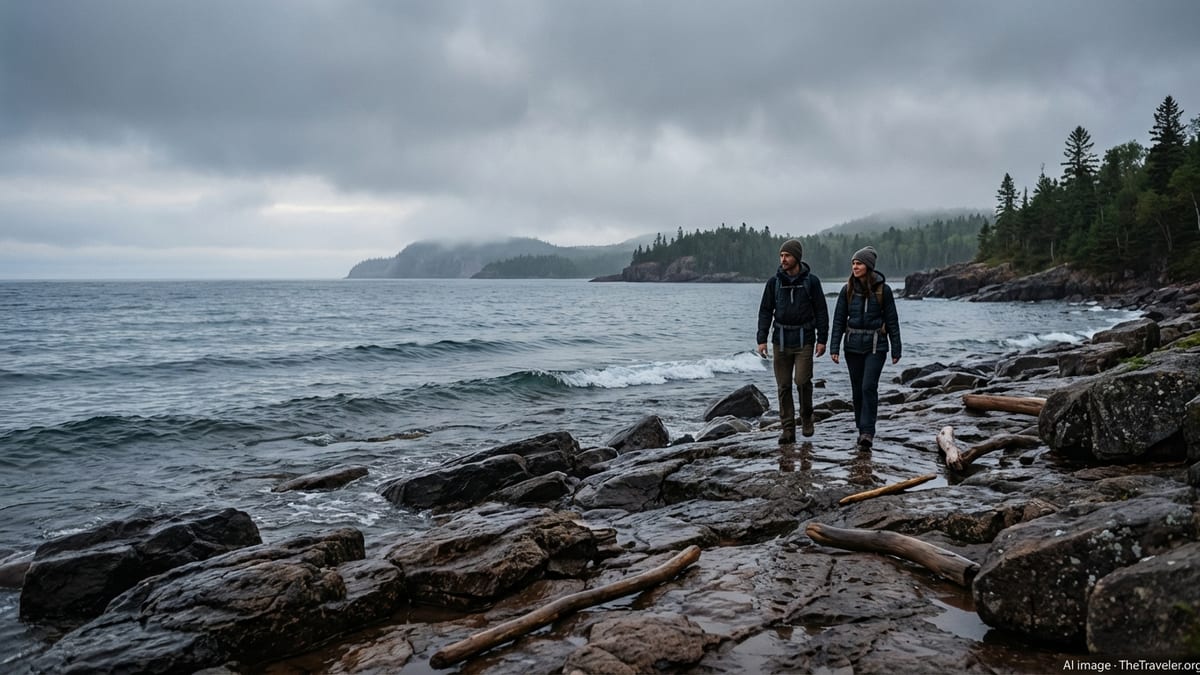
Many visitors experience Lake Superior primarily from the land, following scenic highways, strolling beaches, or hiking cliff-top trails in parks and reserves. While these activities are generally lower risk than venturing onto the water, they still require awareness and respect for the environment. Waves can surge unexpectedly higher along rocky shores, especially near river mouths, headlands or constricted channels. Standing on wet, algae-covered rocks, breakwalls or unprotected piers can be especially dangerous when waves are running. Remaining back from the edge, keeping a firm stance and supervising children closely reduces the risk of being knocked into deep, cold water.
Cliff-top viewpoints are among the most dramatic features around Lake Superior, but they come with their own hazards. Shoreline erosion, undercut rock and loose soil can make ledges less stable than they appear from the trail. Staying behind railings and fences, obeying closure signs and keeping a generous margin from any unprotected edge helps prevent slips and falls. Wearing sturdy footwear with good traction is important on steep, rooty or rocky paths, particularly in wet or icy weather. Trekking poles can add stability on longer hikes or when carrying a pack.
Sun, wind and insects can quietly erode your comfort during long days on the shore. Even on cool days, ultraviolet radiation can be strong, reflecting off water and pale rock. Applying and reapplying sunscreen, wearing a hat and choosing lightweight, long-sleeved clothing can reduce the risk of sunburn and fatigue. Breezes along the lake can mask dehydration, so regular water breaks and steady snacking are wise. In forested or marshy stretches, blackflies and mosquitoes can be intense, particularly in late spring and early summer, making insect repellent and head nets useful additions to your daypack.
Respecting posted signs and local guidance is an easy but often overlooked comfort and safety measure. Park rangers and community officials update advisories when trails are washed out, bears are active near campsites, or high waves have damaged piers and access points. Checking visitor center boards or local news outlets before setting out each day can help you avoid problem areas and find alternative spots that are safer or less crowded.
Choosing and Using the Right Gear
Appropriate gear makes the difference between a hard, risky outing and a safe, enjoyable one around Lake Superior. Clothing should be built around layers so you can adjust to shifting temperatures, wind and exertion levels. A typical system might include a moisture-wicking base layer, an insulating middle layer such as fleece or light wool, and a windproof, water-resistant outer shell. Even in midsummer, carrying a warm layer and a shell is wise; in shoulder seasons, adding a hat, gloves and extra insulation is prudent. For boaters and paddlers, immersion protection such as a wetsuit or drysuit is a key part of this system, addressing the specific challenge of cold water.
On land, footwear is one of the most critical comfort and safety choices. Trails near the lake can range from sandy beaches to sharp rock, mud and exposed roots. Durable hiking shoes or boots with grippy soles and good support reduce the chance of rolled ankles and slips. For beach walking, water shoes or sandals with secure straps protect feet from sharp stones and glass. In shoulder seasons and winter, insulated, waterproof boots help manage snow and slush while maintaining traction on icy surfaces, particularly on access paths and parking lots that may not be fully cleared.
Basic safety accessories are worth the small investment. A quality headlamp or flashlight, even on day trips, provides a backup if plans run long or fog descends early. A compact first aid kit, blister care supplies, and any personal medications should travel with you rather than remain in the car. A lightweight emergency blanket or bivy sack can be a literal lifesaver if someone is injured or chilled far from the trailhead. Navigation aids, including paper maps and a simple compass, should accompany any hike that leaves obvious, signed paths, especially in dense forest where landmarks are limited.
On the water, gear choices become even more specific. In addition to life jackets and immersion wear, paddlers should carry a properly fitted spray skirt for sea kayaks, a bilge pump or bailer, a paddle float for self-rescue practice, and a spare paddle secured to the deck. Attaching a whistle to your life jacket ensures a simple, effective signal in case of trouble. For larger boats, maintaining required safety gear such as throwable flotation, navigation lights, fire extinguishers and sound-signaling devices is both a legal obligation and a practical necessity. Regularly reviewing checklists before each outing helps ensure nothing is forgotten.
Navigating Remote Areas and Limited Services
Much of Lake Superior’s appeal lies in its remoteness. Long stretches of forested shoreline, quiet coves and lightly traveled roads create a sense of escape that can be hard to find elsewhere. That same remoteness makes planning for limited services essential. Gas stations, grocery stores and medical facilities may be many miles apart, especially on the less developed sections of the Minnesota and Ontario coasts. Carrying extra fuel, water, and basic food supplies in your vehicle reduces stress and provides a cushion if you are delayed by weather or road work.
Cell coverage around the lake is patchy. Some towns and popular parks have strong signals, while other stretches have none. Travelers should not assume that they can rely on their phones for navigation, weather updates or emergency calls. Downloading offline maps ahead of time, carrying printed maps and jotting down key directions, phone numbers and campground details prepares you to operate without continuous connectivity. Letting someone at home know your general route and timing adds a layer of security if you travel solo or in a small group.
Emergencies in remote areas can take longer to address. If you are injured on a trail or your boat encounters trouble off a sparsely populated coast, responders may need more time to reach you and may be constrained by weather. This reality underscores the value of conservative choices: turning back when weather looks marginal, choosing established routes over exploratory detours, and being willing to postpone activities that feel beyond your skills or comfort. Carrying extra warm layers, food and water so you can wait safely for assistance is a practical insurance policy.
Cultural and environmental considerations also shape how you move through remote areas. Many Lake Superior communities, including Indigenous nations, have deep historical and spiritual ties to the lake. Staying on designated trails, respecting private land and community notices, and following local guidelines about camping, fires and wildlife helps preserve these landscapes and relationships. Packing out all trash, avoiding disturbance of plants and animals, and keeping noise levels modest are small but meaningful contributions to the shared experience of this vast freshwater coast.
The Takeaway
Exploring Lake Superior safely and comfortably is less about fear and more about respect. The lake’s combination of cold water, big waves and remote shorelines demands that visitors approach it on its own terms. By understanding the unique hazards, timing your trip carefully, choosing appropriate gear and maintaining conservative margins in your plans, you can dramatically reduce the likelihood of serious problems.
Comfort follows naturally from this safety-first mindset. Dressing for changing conditions, carrying enough food and water, building extra time into each day and remaining flexible about routes and activities all allow you to enjoy the lake’s beauty instead of fighting the elements. Whether you stand on a windy overlook watching surf smash into cliffs, paddle along a sheltered bay at sunrise, or wander through a lakeside forest in autumn, you can do so with confidence rather than worry.
Lake Superior rewards those who prepare. Treat forecasts and local advice as indispensable tools, not afterthoughts. Start with modest goals if you are new to big water or remote hiking, and gradually build experience. With care and humility, the world’s largest freshwater lake by surface area becomes not an intimidating barrier but an extraordinary place to explore, season after season.
FAQ
Q1. How cold is Lake Superior, even in summer?
The lake often remains cold all year, with many nearshore areas staying roughly in the 40s and 50s Fahrenheit well into summer. Even when surface temperatures climb a bit higher in sheltered bays, deeper water remains much colder, which is why authorities urge visitors to treat the lake as cold-water conditions at any time of year.
Q2. Do I really need a wetsuit or drysuit to kayak on Lake Superior?
For any paddling beyond very short, close-to-shore outings in calm, protected water, it is strongly recommended to wear a wetsuit or drysuit. These garments provide critical insulation if you capsize, slowing heat loss in the cold water and giving you more time to perform a rescue or await help.
Q3. Are regular recreational kayaks or canoes safe to use on the open lake?
Short, open recreational kayaks and typical canoes are generally not considered suitable for the open waters of Lake Superior. They lack the flotation, spray protection and handling needed for steep waves and sudden wind. Safety agencies advise using true sea kayaks or larger, well-equipped boats for the big lake and saving recreational craft for inland lakes and gentle rivers.
Q4. How quickly can weather change on Lake Superior?
Weather can shift surprisingly fast. Calm mornings may give way to windy afternoons, thunderstorms or thick fog, sometimes in the span of an hour or two. This volatility is why trip plans should be flexible, with regular checks of marine and coastal forecasts and a willingness to shorten or cancel outings when conditions begin to deteriorate.
Q5. Is it safe to walk on the ice formations along the shore in winter?
Ice formations along Lake Superior’s shore often look solid but can be hollow or weakened by shifting water underneath. Authorities around the lake routinely warn visitors to avoid walking on shelf ice because it can break without warning, dropping people into freezing water or hidden crevasses.
Q6. What should I do if I fall into the water?
If you end up in the lake, focus first on staying calm and getting your breathing under control. Keep your life jacket secured, conserve energy, and if you are close to a stable boat or shore, move deliberately rather than thrashing. If you are far from safety, it is usually better to stay with your craft or in a huddled position to conserve heat while signaling for help.
Q7. How far from shore is it safe to paddle as a beginner?
Beginners are generally advised to stay close enough to shore that they can quickly reach land at designated landing points if conditions worsen. The exact distance varies with local geography and the paddler’s skills, but a conservative approach is to remain within a short, manageable paddle of protected land and to avoid exposed crossings entirely until you gain more experience and training.
Q8. Are there areas of Lake Superior with better cell phone coverage?
Coverage tends to be better near larger towns and popular parks, but significant stretches of coastline still have weak or no signal. Travelers should assume that they will lose coverage at times and prepare by downloading offline maps, carrying paper backups and not depending solely on a phone for navigation or emergency contact.
Q9. What are some basic items I should always carry on Lake Superior hikes?
At a minimum, it is wise to carry water, snacks, a map, a small first aid kit, sun protection, insect repellent, an extra warm layer, and a headlamp or flashlight, even on short hikes. These items help you manage minor problems and stay comfortable if your walk takes longer than expected.
Q10. How can I respect local communities and the environment while visiting?
Staying on designated trails, following park and community guidelines, packing out all trash, keeping noise levels modest, and respecting private property are straightforward ways to show respect. Learning about the history and cultures around the lake, including Indigenous nations, and following their posted requests and advisories also contributes to responsible, welcoming travel.