

Portugal is compact enough to cross in a day, yet diverse enough to fill weeks of travel. From Atlantic beaches to medieval hill towns and vineyard-covered valleys, the country rewards visitors who understand how its trains, buses, toll roads and neighborhoods really work. With a bit of planning, you can move easily between regions, avoid common snags and make the most of your time on the ground.
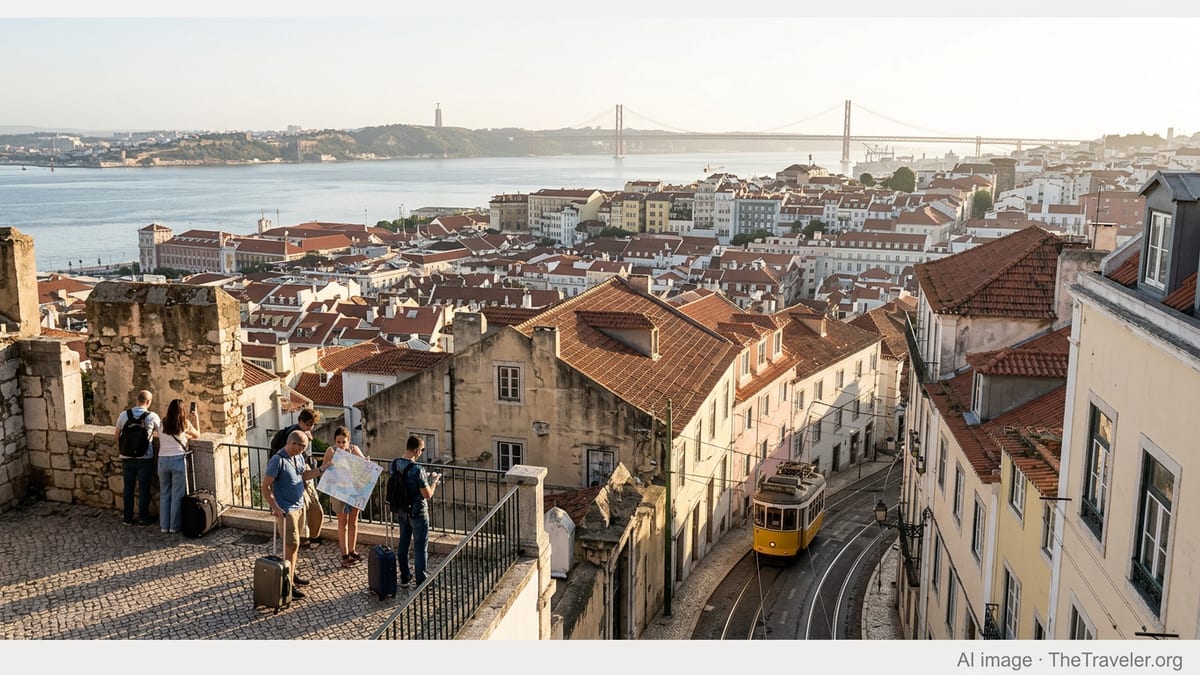
Understanding Portugal’s Geography and Seasons
Portugal stretches a relatively short distance from north to south, but each region has its own rhythm and practical considerations for travelers. Lisbon and Porto anchor the urban north and center, while the Alentejo offers long distances between towns and big open landscapes. The Algarve in the far south is more resort focused and spread along a coastal strip, which affects how you plan bases and day trips. Crossing the whole country by car from the northern border near Vigo in Spain to the Algarve can take around six to seven hours, while trains and buses connect most major centers on direct or semi-direct routes.
Weather shapes how you move around. In summer, central and southern Portugal can be extremely hot in the middle of the day, and air-conditioned trains and coaches may be far more comfortable than city buses or walking long distances. In winter, northern areas such as Porto, Braga and the Minho can be wet and windy, and delays on some rural bus routes are more common when storms roll through. Spring and autumn are generally the most pleasant for combining city exploration on foot with longer rail or road trips between regions.
Daylight hours are another factor. In peak summer you can comfortably schedule long drives or multi-stop train journeys while still arriving in daylight, which simplifies navigating unfamiliar towns, especially in historic centers with narrow streets. In winter, shorter days may encourage you to plan fewer changes and arrive at your destination by mid-afternoon so you can find your accommodation, parking or onward bus stops in good light.
Finally, keep regional holidays and local festivals in mind. Around major dates, including national holidays and summer festival weeks, trains and long-distance buses can sell out, and road traffic into coastal areas and big cities becomes heavier. Booking transport in advance during these peaks or planning travel early in the day can save considerable time and stress.
Crossing Portugal by Train and Bus
Portugal’s rail network is the backbone for many travelers moving between cities. Fast Alfa Pendular and Intercidades services link the Algarve, Lisbon, Coimbra, Aveiro and Porto with relatively few stops, while slower regional lines reach towns such as Évora, Beja and Viana do Castelo. For intercity trips, advance booking is strongly recommended, especially on Fridays, Sundays and around public holidays when trains commonly sell out. Reserved-seat trains usually offer two classes, with second class perfectly comfortable for most travelers.
In October 2024 a new nationwide monthly rail pass was introduced, designed mainly for residents and longer-stay visitors using trains regularly. It allows unlimited second-class travel on regional and inter-regional services, urban trains in Lisbon, Porto and Coimbra, and restricted intercity use with mandatory seat reservations and daily limits. Short-term visitors staying only a week or two will usually find point-to-point tickets more practical, but if you plan to base yourself in one city and take frequent rail day trips, it is worth checking current terms at stations or on the national rail operator’s official channels.
Long-distance coaches fill gaps where trains are slower or do not run at all. Several companies operate modern, air-conditioned fleets that serve medium and small towns in the interior and along the coast. These buses are often the best way to reach destinations like Lagos from Lisbon, or smaller Alentejo and central towns that lie off the main rail corridors. Online booking in advance is increasingly common and advisable in high season; outside peak periods, you can often buy tickets on the day, but it is still safer to check schedules ahead, as some rural routes have only a few departures daily.
Within major cities, public transport is generally reliable and good value, but strikes and occasional disruptions do occur, especially around national labor actions. Before a long day of cross-country travel that relies on metro or local buses to reach main train stations, it is sensible to confirm that there are no planned work stoppages. When services are operating normally, combining suburban trains and city buses can be an efficient way to reach beach suburbs, nearby towns and regional hubs without a car.
Driving Across Portugal and Navigating Tolls
Renting a car offers maximum flexibility, especially if you want to explore smaller villages, remote beaches or wine regions at your own pace. The main highways are generally in good condition, signposted clearly and straightforward for drivers used to European standards. Distances are manageable: the drive from Lisbon to Porto on the primary motorway is typically around three hours, while Lisbon to the central Algarve usually takes a similar amount of time. Traffic is heavier around rush hours into and out of Lisbon and Porto, and during peak summer weekends on coastal routes.
Portugal’s toll system is where many visitors encounter surprises. The country uses both traditional toll plazas where you pay at a booth or pass electronically, and fully electronic motorways with no physical booths at all. On the latter, cameras read your license plate or onboard device as you pass under gantries, and there is no way to pay with cash or card at the time. Foreign drivers must therefore set up an electronic payment method before or shortly after using these roads to avoid fines that can arrive weeks later.
Several options exist for visitors. Many rental car companies offer a small electronic device pre-installed, which automatically records tolls and charges them to your rental agreement, often for a modest daily fee plus tolls. Separate visitor services allow you to link your license plate to an international credit card and use all toll roads in the country without a local bank account. Prepaid toll cards and systems that register your payment card at border points are also available, typically valid for a limited period such as 30 days and charging small administrative fees per trip in addition to the tolls themselves.
From 2025, sections of several motorways have been made toll free, improving options for budget-conscious travelers. However, many strategic routes, particularly across central Portugal and in parts of the Algarve, still use electronic-only tolling, so it remains important to understand which roads you are using. As a practical approach, decide in advance whether you want to prioritize speed or savings. If your time is limited or you are traveling with children, the convenience of a toll device or visitor service usually outweighs the extra cost. If you prefer to avoid tolls, allow more time and verify that your navigation settings are not automatically sending you back to tolled routes.
City Transport, Walking and Getting Around Without a Car
Portugal’s cities are compact enough that you can often cover central neighborhoods on foot, but they can also be steep. Lisbon and Porto, in particular, rise from river or coastal plains up to hilltop viewpoints, so routes that look short on a map may involve long climbs or staircases. Comfortable footwear with good grip is more important here than in many flatter European capitals, especially in wet weather when stone pavements become slippery. Building in extra time between activities helps avoid rushing up hills and allows you to enjoy viewpoints, cafés and small squares along the way.
Urban public transport networks combine metro, buses, trams and suburban rail, with integrated passes that cover multiple modes. In Lisbon, a single transport pass can be used across metro, city buses and many trams, while Porto and Coimbra have their own integrated systems. Reloadable cards are widely used and are often the cheapest way to move around if you plan several journeys per day. Buying and topping up cards at metro stations rather than on board buses speeds up boarding and reduces the need to carry small change.
Cable cars, historic trams and funiculars are iconic features in cities like Lisbon, but they are also working public transport. After a serious funicular accident in Lisbon in 2025, authorities temporarily suspended similar services for safety checks and tightened regulations. Today, vehicles continue to undergo regular inspections, but high demand and occasional maintenance works mean that lines are sometimes crowded, slow or temporarily closed. Treat these as scenic add-ons rather than essential links in a tight schedule, and always allow enough time to reach critical connections such as long-distance trains or flights by more conventional routes.
For those who want to avoid cars altogether, combining city passes, suburban trains and regional buses makes it realistic to explore a large portion of the country. Day trips from Lisbon to places like Sintra, Cascais or Setúbal, and from Porto to Guimarães, Braga or beach towns along the coast, are straightforward by public transport. When planning such trips, check the return times in advance, especially on Sundays and public holidays when evening services may be less frequent.
Money, Tickets and Booking Strategies
Portugal uses the euro, and card payments are widely accepted, including for most transport services. Contactless payments are common on metro systems, at ticket machines and in larger stations. That said, it is wise to carry some cash for small rural bus operators, local markets and cafés in villages where card terminals may be unreliable or absent. ATMs are plentiful in cities and larger towns, but in more remote areas they can be limited, so withdrawing enough for several days when you pass through a bigger center is prudent.
For intercity trains, booking early often yields lower fares, particularly on high-speed or long-distance services. Tickets go on sale in advance, and discounts are routinely offered for early purchases and off-peak departures. When buying online, double-check station names, as some cities have multiple stations serving different lines. Keep a digital copy of your ticket easily accessible on your phone, as conductors frequently check them and mobile reception can be patchy in tunnels or remote stretches where you might otherwise try to retrieve booking emails.
Long-distance coaches may or may not offer dynamic pricing, but they do sometimes fill up on popular routes and dates. Buying tickets online or at stations at least a day in advance gives you more choice of departure times and seating. Some operators allow you to choose seats, which can be helpful if you prefer the front of the bus or want to sit together as a group. Pay attention to the exact departure point, as major cities may have more than one bus terminal or separate stops for different companies.
For city transport, passes that bundle unlimited rides within a fixed period can quickly pay for themselves if you plan intensive sightseeing. Airport-city travel is usually covered by these passes on metro or suburban rail, which can be significantly cheaper than taxis. In Lisbon and Porto, tourist-focused cards that include transport plus museum entries can save money if you plan to visit multiple included sights. To avoid wasting value, group key attractions into consecutive days when the pass is active rather than spreading them thinly across a longer stay.
Safety, Scams and Travel Etiquette
Portugal generally ranks among the safer countries in Europe, but travelers should still approach crowded places and transport hubs with the same caution they would use in any popular destination. Petty theft is the most commonly reported issue, particularly in busy tourist districts, on packed trams and metro lines, and around major train stations. Keeping bags zipped and worn in front, avoiding open backpacks on crowded vehicles, and leaving expensive watches or jewelry at your accommodation significantly reduces your risk.
Pickpocketing techniques often rely on distraction, such as sudden jostling when boarding a tram, groups surrounding a traveler to offer help with luggage, or petitions that require you to hold a clipboard. In recent years, some reports suggest an uptick in such incidents around classic tram routes in Lisbon and in popular neighborhoods of Porto. Being alert if a stranger insists on standing very close or engages you in overly friendly conversation in a crowded space is usually enough to deter opportunistic thieves.
Scams aimed at visitors can include overcharging in unmetered taxis, unofficial guides offering unsolicited tours for vague prices, or restaurant bills that add items you did not order. Request a metered fare in taxis, confirm prices clearly in advance if using ride-hailing alternatives that do not show them in the app, and check bills line by line before paying. When in doubt, politely ask for a printed receipt or menu. Most businesses are honest and professional, and a calm, firm attitude works better than confrontation if something looks wrong.
Respectful behavior helps interactions go smoothly. Basic Portuguese greetings and thank yous are appreciated even in touristy areas, and speaking a few words can change the tone of service noticeably. In small towns and rural areas, quieter, slower-paced manners are common, and locals may be more reserved at first. Allow extra time in restaurants where meals are seen as relaxed social occasions rather than quick refueling stops, and remember that tipping is not as obligatory as in some countries; rounding up or leaving a modest amount for good service is usually sufficient.
Connectivity, Strikes and Local Information
Staying connected while traveling across Portugal makes it easier to monitor timetables, navigate unfamiliar neighborhoods and respond to last-minute changes such as strikes or weather disruptions. Free public Wi-Fi is available in many cafés, hotels, larger stations and some public spaces, but coverage can be patchy, especially in older buildings with thick walls. Buying a local SIM card or an eSIM with a reasonable data allowance is often the most reliable solution if you are spending more than a few days in the country.
Transport strikes occasionally affect trains, urban metros, buses and even flights. A large national strike in December 2025, for example, caused widespread cancellations across several sectors, including public transport. While events of that scale are not everyday occurrences, smaller targeted actions are part of the landscape in many European countries, Portugal included. Checking news outlets and official operator channels in the days before major travel days, and building a cushion of time into connections, can prevent a disruption turning into a missed flight or prepaid booking.
Local tourism offices are valuable sources of up to date practical information. Staff can advise on current bus routes, seasonal changes to ferry schedules, walking trail conditions and regional events. In rural areas, where online information may lag behind reality, these offices or local councils are often the best way to verify whether a particular bus still runs or a minor road is affected by works. Do not hesitate to ask hotels and guesthouses for local tips as well; many maintain printed timetables or can quickly phone a taxi or driver in places where ride-hailing services are limited.
Language is unlikely to be a major barrier. English is widely spoken in cities, tourist areas and by younger people across the country, though it is less universal among older residents in rural regions. Learning key phrases, particularly for timetables, directions and numbers, helps when buying tickets from small-town bus drivers or asking for help in local shops. Written information on major intercity routes increasingly appears in both Portuguese and English, but in more remote areas you may rely on simple vocabulary, hand gestures and the goodwill of locals, which is usually generous.
The Takeaway
Traveling across Portugal is both straightforward and rewarding when you understand how the pieces fit together. Trains and coaches connect the main cities and many regional centers, while cars excel at reaching more remote beaches, villages and vineyards. Public transport within cities is affordable and usually reliable, with integrated passes that make it easy to hop between neighborhoods without worrying about individual tickets.
Planning ahead pays particular dividends when it comes to toll roads, seat reservations and peak holiday periods. Setting up a simple toll payment system, booking intercity trains and long-distance buses in advance for busy days, and staying alert to strike announcements or local events will help you avoid the most common snags. Combine that with everyday precautions around valuables and a respectful, unhurried approach to local customs, and you can focus on scenery, food and culture rather than logistics.
Above all, remember that Portugal is a country where distances are short but experiences are rich. With these practical tips in mind, you can cross from green northern hills to southern coves, from Atlantic surf towns to quiet inland plains, with confidence and flexibility. The more you move at a pace that suits both you and the place, the more the journey itself becomes part of the pleasure of traveling here.
FAQ
Q1. Do I need to rent a car to travel across Portugal effectively?
For major cities and many popular towns, trains and long-distance buses are sufficient, but a car is very useful for remote beaches, villages and rural regions.
Q2. How far in advance should I book intercity train tickets in Portugal?
For busy routes and dates, booking one to two weeks ahead is sensible, while off peak travel can sometimes be booked a few days or even the same day before departure.
Q3. What is the best way to pay tolls as a visitor driving in Portugal?
The simplest option is usually a rental car with an electronic toll device or a visitor toll service linked to your license plate and an international credit card.
Q4. Are Portugal’s trains safe and reliable for solo travelers?
Yes, intercity and regional trains are generally safe and reliable, especially during the day, though you should still keep valuables close and be aware of your surroundings.
Q5. Can I get around Portuguese cities using only public transport and walking?
In cities such as Lisbon, Porto and Coimbra, walking combined with metro, trams, buses and suburban trains is usually enough for sightseeing without needing a car.
Q6. How common are strikes and how should I plan around them?
Strikes occur occasionally and can disrupt trains, metros and buses, so checking news and official channels in the days before major travel helps you adjust plans.
Q7. Is it easy to buy bus tickets for smaller towns once I am in Portugal?
For many regional routes you can still buy tickets at stations or from drivers, but services may be infrequent, so checking schedules and options in advance is wise.
Q8. Do I need to carry cash for transport, or are cards enough?
Cards work for most city and intercity transport, but it is prudent to carry some cash for small rural buses, local cafés and places where terminals may not be available.
Q9. What should I do if I accidentally use an electronic toll road without setting up payment?
If that happens, check the official toll payment portal promptly, as there is usually a short window to pay tolls before additional penalties are applied.
Q10. Is English widely spoken at stations and on public transport?
English is common in big cities and main stations, while in smaller towns you may rely more on basic Portuguese phrases, gestures and the helpfulness of locals.