

Endicott Arm, a narrow fjord southeast of Juneau, is one of the Inside Passage’s most dramatic stretches of water. Sheer granite walls, drifting icebergs and the blue face of Dawes Glacier make it a highlight on many Alaska itineraries. Yet the experience you have here depends heavily on timing, preparation and knowing how scenic cruising days actually unfold. This guide focuses on practical strategies and the best viewing times so you can make the most of your hours inside Endicott Arm.
Understanding Endicott Arm and Dawes Glacier
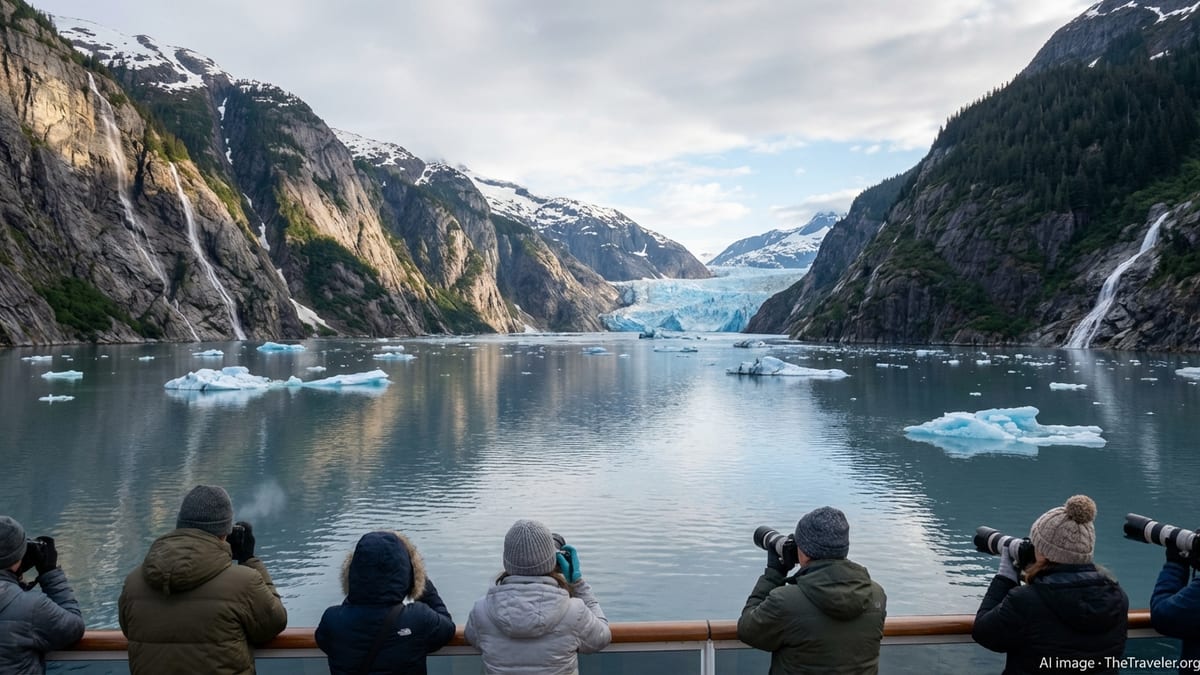
Endicott Arm cuts deep into the coast within the Tracy Arm Fords Terror Wilderness, a protected area known for steep rock walls, dense temperate rainforest and active tidewater glaciers. Ships follow the fjord for several hours, threading between icebergs before turning near Dawes Glacier, which routinely calves blocks of ice into the sea. The journey is as much about the approach as it is about the glacier itself, with views changing constantly as the vessel rounds bends and passes waterfalls.
Most visitors experience Endicott Arm as a scenic cruising day rather than a traditional port call. Large cruise ships remain underway in the fjord, while some itineraries add a smaller boat excursion that continues closer to the glacier face. There are no docks or towns along the arm, so every viewpoint, photo and wildlife sighting happens from the water. Understanding this context helps you plan your day: there is no “going ashore later” to catch up on missed views.
The final miles toward Dawes Glacier often involve maneuvering around brash ice and small growlers. On good days with lighter ice, larger vessels can get relatively close, while on others they may stop farther back for safety. Conditions can vary significantly from one sailing to the next, which is why flexibility and realistic expectations are important parts of any Endicott Arm plan.
From a visual standpoint, Endicott Arm differs from Glacier Bay in scale and intimacy. The fjord is narrower, the cliffs feel closer and the sense of enclosure can be intense, particularly near the head of the fjord. Whether you are on a megaship or a small expedition vessel, you will likely spend long stretches outdoors watching the scenery unfold, so preparing well for the environment pays off.
Best Times of Year and Day for Viewing
The mainstream cruise season for Endicott Arm runs roughly from May through September, aligning with Inside Passage sailings. Spring and early summer usually bring cooler temperatures and higher chances of fresh snow on the surrounding peaks, which can make the scenery appear particularly crisp. Late summer and early fall can feature more waterfalls after periods of rain and somewhat thinner crowds on certain sailings, though this varies by line and school holiday schedules.
Daylight is a central factor in planning. In midseason months like June and July, Southeast Alaska enjoys very long days, allowing ships to time their fjord transits during early morning or evening light without losing visibility. Early morning entries often offer calmer winds and softer light, with low sun angles accenting the texture of cliffs and ice. Some operators highlight early morning as the preferred time for clear views, and anecdotal reports suggest that passengers who rise before sunrise are rewarded with quieter decks and more contemplative conditions.
For wildlife, cooler periods near dawn and late evening tend to be more active, especially for harbor seals and birds, though sightings are possible at any time. Many cruise lines schedule Endicott Arm as a full or half day of scenic cruising, with estimates for entry, glacier viewing and exit listed in the daily program. As soon as you board your ship, look for these times, since they determine when you should be outside and when you can rest, dine or warm up indoors.
Weather in the fjord is variable. Typical summer daytime highs in the broader region range from the upper 40s to mid 60s Fahrenheit, but wind over icy water can make it feel significantly colder. Fog and low cloud are common, particularly in the morning, although conditions can brighten unexpectedly. Because visibility directly affects glacier and mountain views, a partly cloudy or high overcast day can actually produce better photography than harsh midday sun, especially when combined with calmer seas.
Working With Your Ship’s Schedule
Successful Endicott Arm viewing starts with a close reading of your ship’s daily schedule. The program will usually list when the vessel expects to enter the fjord, reach Dawes Glacier and reverse course. These times are approximate and can change with ice or traffic, but they provide a vital framework for planning your meals, clothing changes and rest breaks around peak scenery.
Announcers or naturalists often begin commentary as the ship approaches the entrance, sometimes before sunrise on early-morning itineraries. Once the captain or staff announce you are entering Endicott Arm, outdoor areas can fill rapidly. Experienced travelers are often on deck a little earlier, accepting a short wait in order to secure a preferred position at the rail or along a less crowded section of deck.
Cruise ships typically turn in front of Dawes Glacier so that both port and starboard sides can enjoy comparable views. This means you do not necessarily need the “right” side balcony to see the glacier, though a balcony can be a welcome retreat from crowds and wind. Even so, plan to spend at least part of the main viewing window on open decks, where you have wider sightlines, can move from side to side and feel the scale of the landscape more fully.
If your itinerary includes a dedicated small-boat excursion into Endicott Arm, the departure will usually be timed to coincide with the ship’s presence near the fjord or glacier. These excursions often sell out early and may be affected by ice conditions or recent weather events, so booking well in advance and monitoring any updates once on board is advisable. When ships cannot safely approach due to heavy ice, they may shorten the transit or substitute another scenic route, so some degree of uncertainty remains part of the experience.
Deck Strategy, Crowds and Comfort
Where you stand on the ship can dramatically influence how you experience Endicott Arm. The highest open decks typically offer the widest, most unobstructed views, ideal for sweeping vistas and panoramic photography. The tradeoff is exposure. Winds can be strong, temperatures feel colder at altitude and there is often little shelter from rain or spray. Plan for short, focused sessions on the top deck interspersed with breaks on lower, more protected levels.
Mid-level open decks and promenades strike a useful balance between visibility and comfort. Railings are often closer to the water, which can help you appreciate the height of the cliffs and the movement of ice at the surface. These decks usually provide quicker access to indoor lounges, cafes and restrooms, which matters when you are outside for many hours. Forward viewing areas at the bow, if available, can deliver powerful head-on perspectives of the fjord, though access may be restricted during maneuvering.
To manage crowds, think in terms of timing and mobility. The busiest moments tend to occur when a major announcement is made or a dramatic calving event happens. If you are willing to shift one deck lower or walk a few minutes toward the ship’s ends, you can often find stretches of rail with fewer people. Families may prefer slightly less exposed spots near interior doors so that children can warm up quickly without abandoning the view.
Comfort is more than just clothing. Warm beverages, hand warmers and a small backpack for extra layers can significantly extend the time you are willing to remain outside. Many travelers underestimate how tiring hours of standing at the rail can be. Rotating between standing, leaning on railings and sitting briefly in sheltered corners can keep you comfortable until the ship turns and begins retracing its route out of the fjord.
Clothing, Gear and Photography Essentials
Endicott Arm rewards those who dress for conditions rather than for the ship’s interior. Layering is critical. Start with a moisture-wicking base layer, add a warm mid layer such as fleece or wool, then finish with a windproof and waterproof shell. A hat that fits securely, thin but insulated gloves and a neck gaiter or scarf protect the extremities, which are often the first to feel the effects of glacier-cooled air. Even on seemingly mild days, temperatures can drop noticeably as you approach Dawes Glacier.
Waterproof or water-resistant footwear with good traction helps on wet or slippery decks. Many visitors keep a dry pair of shoes in their cabin and use more rugged footwear for extended time outside. Sunglasses are important not only for comfort but also for eye safety, as ice and snow can create intense glare when the sun appears. Having a small dry bag or lined backpack to store spare layers, camera gear and a towel or cloth for wiping down railings can be surprisingly useful.
For photography, you do not need professional equipment, but some planning pays off. A mid-range zoom lens allows you to capture both broad landscapes and details on the glacier face or wildlife on ice floes. Use burst mode or continuous shooting when the ship is near Dawes Glacier to increase your chances of capturing calving events, which happen quickly and without warning. Keep a microfiber cloth handy to clear sea spray or drizzle from your lens or phone camera.
Battery life drops faster in cold conditions, so bring a spare battery or portable charger and keep electronics inside your jacket when not in use. If you are shooting primarily with a smartphone, stabilize your device by bracing your elbows on a railing or bulkhead to reduce blur. Consider recording short video segments as well as still images. The sound of cracking ice, splashes and the ship moving through brash ice often conveys the atmosphere more fully than photographs alone.
Wildlife and Glacier Viewing Etiquette
Endicott Arm is rich in wildlife, particularly near the head of the fjord and around Dawes Glacier. Harbor seals frequently rest on ice floes, especially during pupping season in late spring and early summer. Bald eagles patrol the shorelines and treetops, and humpback whales may be seen in nearby waters, though sightings inside the narrowest sections of the arm are less common than in open channels. Because wildlife is unpredictable, staying attentive throughout the transit improves your chances of memorable encounters.
Most ships have naturalists or knowledgeable crew on deck or over the loudspeaker to help spot animals and interpret behavior. Binoculars are one of the most useful tools you can bring. Even compact models dramatically enhance your ability to pick out seals on distant ice or eagles high on rocky ledges. Scanning slowly and repeatedly, rather than staring in one spot, is an effective way to detect movement such as a whale blow or a seal slipping into the water.
Good viewing goes hand in hand with respectful behavior. Keep voices low when gathered at the rail, particularly when the ship is stationary near Dawes Glacier and many passengers are listening for the crack and rumble of calving ice. Avoid jostling or leaning over others to take photographs. If you have already captured your desired shots, consider stepping back to allow shorter guests or children access to the railing.
Glacier viewing itself is an exercise in patience. Calving cannot be predicted precisely, and prolonged quiet periods are normal. Rather than fixating on a single corner of the glacier face, let your eyes roam across the crevasses, pinnacles and seracs. Subtle shifts, like small plumes of ice dust or cracking sounds, often precede larger collapses. Remember that calving distances are controlled for safety, and even modest events can generate waves and debris that make close approaches impractical for large ships.
Safety, Weather Awareness and Recent Considerations
Safety protocols are central to any itinerary that includes Endicott Arm. Captains continually assess ice density, drift patterns and weather conditions when deciding how far to proceed. On some days, a heavy field of ice can block the final approach to Dawes Glacier, and the ship may stop several miles short or adjust its schedule. While this can be disappointing, it reflects a cautious approach that prioritizes passenger and vessel safety in a remote environment where assistance is limited.
Weather shifts quickly in Southeast Alaska. Conditions at the entrance to the fjord may not match those deeper inside. Light rain is common and usually does not prevent ships from operating, but low cloud or fog can obscure higher peaks and limit long-distance visibility. It is wise to prepare for lower ceilings and focus your expectations on the immediate walls, waterfalls and ice fields, which can still be impressive under muted light. When clear spells arrive, seize the moment and head outside promptly.
Visitors should also be aware that the region is geologically active, with steep slopes and glaciers that can influence stability. In rare situations, large landslides into nearby inlets or side arms have generated localized tsunamis and temporarily affected access in parts of Southeast Alaska. Cruise lines and local authorities monitor these risks and adjust itineraries as needed. From a traveler’s perspective, the main practical step is to stay informed through official announcements on board rather than relying on older brochures or assumptions.
On a personal level, consider basic precautions such as using handrails on wet decks, limiting alcohol consumption during the most intense viewing windows and carrying any necessary medications in a pocket rather than leaving them in the cabin. The combination of cold, excitement and long hours outside can be physically taxing, especially for those with mobility challenges. Planning short warm-up breaks and pacing yourself helps ensure you finish the day energized rather than exhausted.
Planning Your Overall Alaska Itinerary Around Endicott Arm
When comparing Alaska cruises, many travelers debate whether to prioritize Endicott Arm, Tracy Arm or Glacier Bay. Each offers a distinct experience. Endicott Arm is often praised for its intimate, narrow fjord scenery and the dramatic blue face of Dawes Glacier. It can serve as a strong alternative when Tracy Arm is heavily iced, which is one reason some itineraries list the two fjords interchangeably or note that the specific route will depend on conditions closer to the sailing date.
If Endicott Arm is a priority for you, examine itineraries carefully. Look for routes that explicitly name “Endicott Arm and Dawes Glacier” as a scenic cruising day. Keep in mind that the fjord component is usually in addition to, not instead of, port calls such as Juneau or Skagway, so you will need to balance time ashore with time dedicated to glacier viewing. Reading recent reviews or trip reports can provide insight into how frequently specific sailings have successfully reached Dawes Glacier in the current season.
For travelers combining a cruise with independent land travel, it can be helpful to align scenic fjord days like Endicott Arm with less strenuous land days. Long days on deck watching scenery can be surprisingly tiring, especially if followed immediately by ambitious hikes or excursions on land. Building in at least one lighter day, such as a gentle city walk or museum visit, after your Endicott Arm cruise segment allows you to absorb the experience without feeling rushed.
Ultimately, Endicott Arm works best when embraced as a dynamic, weather and ice-dependent adventure rather than a rigid checklist. Ships may get closer on some days than others, and wildlife encounters can range from occasional seals to spectacular multi-species displays. By selecting a thoughtful itinerary, understanding seasonal patterns and going in with flexible expectations, you increase your odds of a satisfying and memorable day in the fjord.
The Takeaway
Visiting Endicott Arm is less about ticking off fixed sights and more about immersing yourself in a living, constantly changing landscape. Practical preparation is what transforms that raw potential into a rich experience. Knowing when your ship will enter and exit the fjord, rising early for calm light and quieter decks and dressing for long hours in cold, damp air all contribute directly to how much you see and how comfortable you feel.
While you cannot control weather, ice or wildlife, you can control your readiness. A flexible deck strategy, simple gear choices like binoculars and spare batteries and a realistic understanding of safety constraints around Dawes Glacier set the stage for the day to unfold naturally. When conditions align, Endicott Arm delivers some of the Inside Passage’s most memorable moments: the echoing crack of calving ice, the silent drift of seals on blue floes and the sensation of sailing deep between vertical granite walls.
Approach the fjord with patience and curiosity. Accept that no two days here are alike and that surprises, whether a shaft of sunlight breaking through clouds or a distant whale surfacing in still water, are part of the region’s character. With thoughtful planning and an eye on the best viewing times, your visit to Endicott Arm can become a defining highlight of your Alaska journey.
FAQ
Q1. What is the best time of day to view Endicott Arm and Dawes Glacier?
The most rewarding viewing often occurs in the early morning, when winds can be calmer, light is softer and decks are a bit less crowded, though good views are still possible throughout daylight hours.
Q2. Which months are generally best for cruising Endicott Arm?
Most visitors travel between May and September, with late spring and early summer offering crisp snow on the peaks and long days, and late summer sometimes bringing more waterfalls and slightly thinner crowds on certain sailings.
Q3. Do I need to be on a particular side of the ship for the best views?
No. Ships typically turn in front of Dawes Glacier so both port and starboard sides get comparable views; for the most flexibility, spend at least part of the time on open decks where you can move around.
Q4. How close will my ship get to Dawes Glacier?
The distance varies with ice and safety conditions. On some days ships can approach relatively near the glacier face, while on others heavy ice requires stopping several miles back, with decisions made by the captain in real time.
Q5. What should I wear for a day in Endicott Arm?
Dress in layers with a moisture-wicking base, warm mid layer and windproof, waterproof outer shell, plus a secure hat, thin insulated gloves, non-slip shoes and sunglasses for glare off ice and water.
Q6. Is a small-boat excursion into Endicott Arm worth it?
Many travelers find the smaller boats, which can often maneuver closer to ice and shorelines, provide more intimate views and wildlife encounters, but they are weather dependent and usually sell out early, so advance booking is recommended.
Q7. Will I definitely see wildlife in Endicott Arm?
Wildlife is never guaranteed, but harbor seals, bald eagles and occasional whales are all possible. Bringing binoculars and staying outside for extended periods increases your chances of noticing more distant animals.
Q8. What happens if ice conditions are too heavy to reach the glacier?
If ice fields make the final approach unsafe, the ship may stop short, adjust its timing or substitute an alternative scenic route. These decisions prioritize safety, and your crew will usually provide updates and commentary to explain any changes.
Q9. How long does the Endicott Arm scenic cruising usually last?
While exact durations vary by itinerary, many ships spend several hours inside the fjord, with a focused window of roughly one to two hours near Dawes Glacier itself, framed by a longer approach and departure.
Q10. Can I rely on mobile service or internet while in Endicott Arm?
Mobile coverage inside the fjord is typically minimal or nonexistent. Shipboard internet, if available, may be slower or less reliable, so it is wise to download maps, reading material and camera backups before entering the area.