

More news on this day
Prague is doubling down on its reputation as one of Europe’s most atmospheric capitals, using 2026 to expand historic tram and retro bus services in a bid to boost tourism through old-world charm rather than cutting-edge gimmicks.
Get the latest news straight to your inbox!
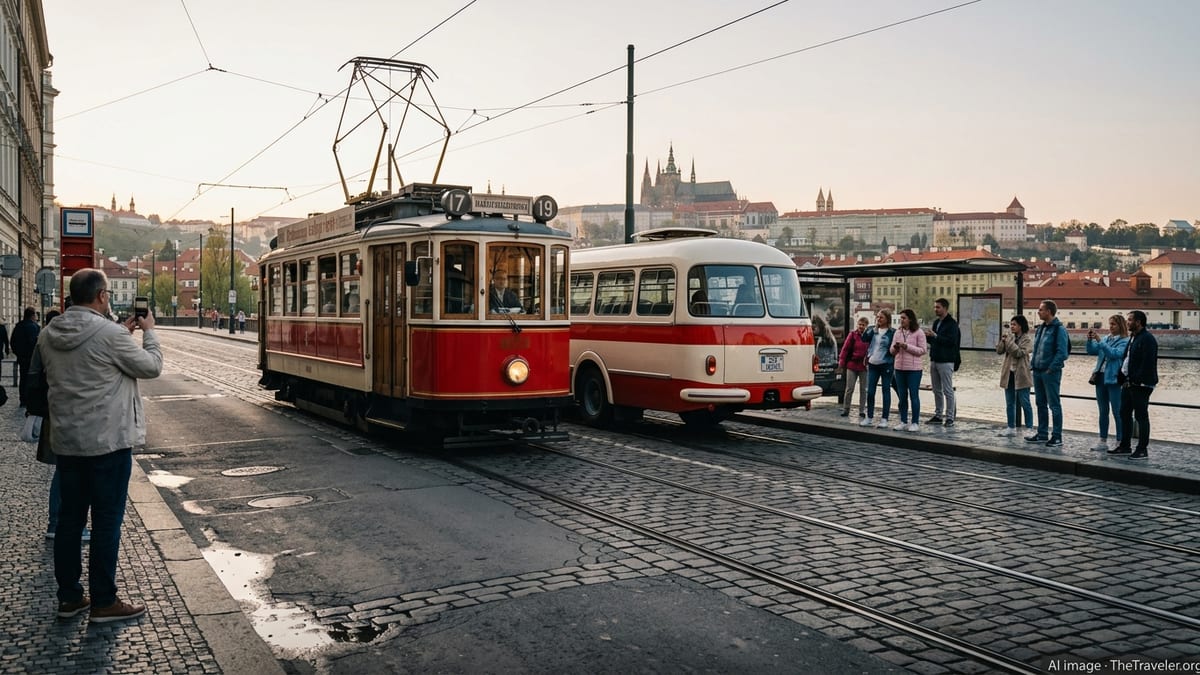
A Heritage Network Turns Into a Visitor Magnet
Publicly available information shows that Prague’s nostalgic tram and bus operations, long a niche attraction for transport enthusiasts, are being positioned more explicitly as a mainstream tourism asset in 2026. The shift builds on several years of investment in historic vehicles and special routes timed to coincide with landmark anniversaries for the city’s public transport system.
Reports indicate that lines using heritage rolling stock, such as the historic tram services based out of the Střešovice depot and the retro K bus route, are being marketed together as a coherent “time travel” experience across the city. This approach reflects a wider trend in European destinations, where existing infrastructure is repackaged to appeal to visitors seeking slower, more experiential ways of moving around.
Prague’s strategy is distinctive in that it does not simply operate occasional museum runs. Instead, heritage vehicles are increasingly woven into the regular urban fabric, sharing tracks and roads with the latest low floor trams and modern trolleybuses, so that stepping into a wooden interior or a 1960s style bus can happen just a few minutes from a contemporary interchange.
Vintage Tram Line 42 and Its Growing Star Power
Vintage tram line 42, already popular in recent summer seasons, is set to be one of the headline attractions for visitors in 2026. Earlier operational changes, such as cutting intervals between departures and rotating multiple historic models on the line, have shown that there is strong demand for a curated tram ride through Prague’s most photogenic districts.
Published material from Prague City Tourism highlights that line 42 offers views of landmarks including Prague Castle, the Lesser Town and the Old Town, using restored vehicles from different eras. These range from early Ringhoffer cars to retro trams dating from the 1970s, creating a moving exhibition of transport design as they traverse cobbled streets and pass riverfront vistas.
For 2026, tourism-focused guides and promotional documents point to extended seasonal operations and closer integration with ticket products that also cover other nostalgic services, notably the retro K bus. The intention is to make vintage tram rides less of a specialist add-on and more of a standard part of a short stay itinerary, on a par with classic walking tours and river cruises.
Retro Buses Bring 1960s Prague Back to Life
The historic tram network is being complemented by an expanding fleet of retro buses that recreate the look and feel of Prague’s streets in the mid twentieth century. Information released in recent years describes how the Prague Public Transit Company has restored vehicles such as the Škoda 706 RTO MTZ, a rounded, cream and red bus type that once formed the backbone of the city’s bus fleet.
These buses now appear on the K line and on special sightseeing or “adventure” tours, particularly on scenic routes in hilly districts like Strahov and parts of Prague 6. Their interior details, including patterned seat fabrics, chrome fittings and large panoramic windows, are carefully maintained to evoke the 1960s while meeting today’s safety expectations.
Reports on upcoming programming suggest that in 2026 retro buses will be more visible in tourist marketing materials and seasonal calendars, often paired with tram events or public transport festivals. This pairing allows visitors to combine different eras and modes in a single day, travelling from the city centre by a wooden tramcar and returning on a classic bus that once served everyday commuters.
Museums, Light Shows and Nighttime Nostalgia
The city is also reinforcing its heritage fleet with cultural programming around the Prague Public Transport Museum at Střešovice depot. Coverage in local English language news describes recent exhibitions where historic trams and buses are presented in dramatic light and sound displays, particularly during winter evenings, turning the depot into an immersive event space.
Until mid January 2026, one such programme reportedly illuminated vehicles from the nineteenth and twentieth centuries after sunset, inviting visitors to encounter otherwise static exhibits in a more theatrical setting. While the core of the museum remains a traditional collection of restored trams, trolleybuses and buses, these temporary projects are intended to draw in new audiences who might not ordinarily seek out a specialist institution.
Together with special open days, anniversaries and vehicle parades that periodically spill out onto the streets, these initiatives help link the operational heritage lines with the storytelling side of Prague’s transport history. Tourists who ride a nostalgic tram can then visit the depot to see companion vehicles up close, creating a fuller narrative around how the city moved in earlier decades.
Old Meets New in a Changing Transport Landscape
Prague’s renewed focus on historic trams and retro buses is unfolding alongside a major modernisation of its wider public transport system. Reports from local outlets in early 2026 describe the introduction of new Škoda low floor trams and an expanded trolleybus network, as well as infrastructure changes such as a new bridge for trams and buses and the planned return of the Petřín funicular.
Far from being in conflict, the coexistence of cutting edge and heritage vehicles is presented as part of the city’s appeal. New trams offer quieter, more accessible journeys on everyday routes, while the older rolling stock provides a deliberate contrast, with the clatter of metal, wooden benches and opening windows that frame classic views of spires and riverbanks.
Travel industry observers note that this blend of efficiency and romance speaks to evolving visitor expectations. In 2026, Prague is not simply promising to get tourists from metro station to museum faster; it is encouraging them to turn the journey itself into a highlight, whether that means gliding over a new bridge on a sleek tram or hopping aboard a lovingly restored vehicle that feels as if it has rolled straight out of a black and white photograph.