

More news on this day
As the latest U.S. government shutdown stretches into its second month and airport delays ripple across the country, one clear beneficiary is emerging from the travel chaos: travelers who can pay, or have already paid, to skip the worst of it through premium security programs and high-end credit card perks.
Get the latest news straight to your inbox!
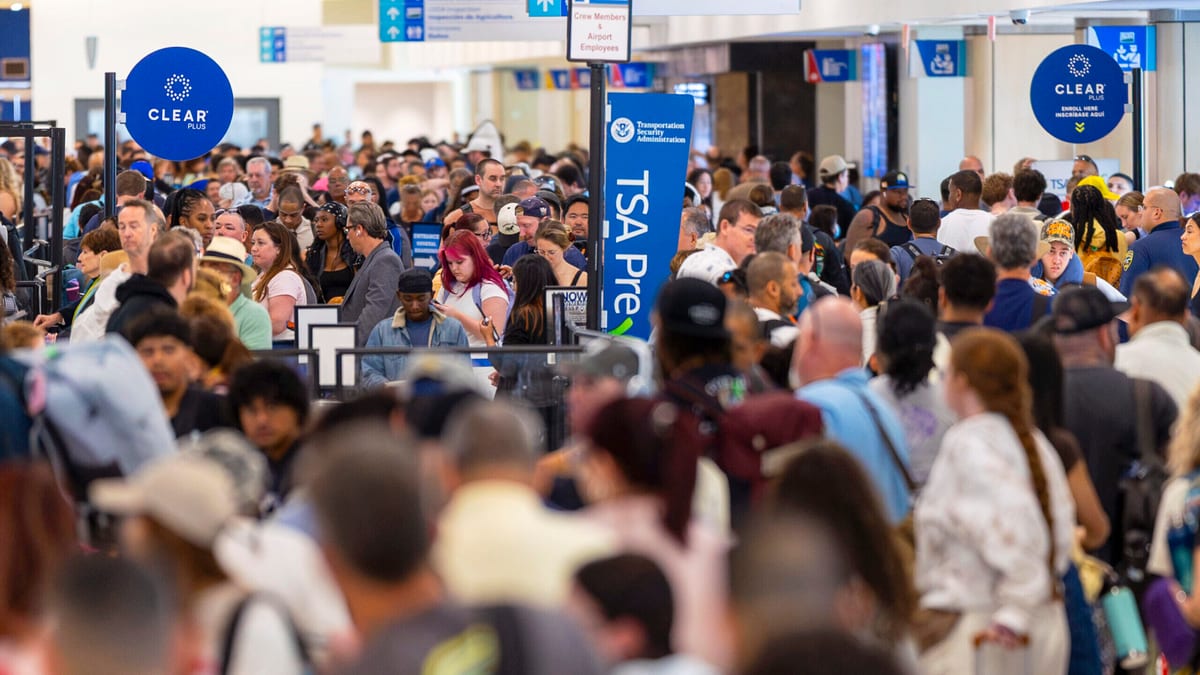
Image by thedailyupside.com
Shutdown Turmoil Turns Airports Into Two-Speed Systems
Across major U.S. hubs, the partial shutdown’s impact is playing out most visibly at airport security checkpoints. Reports indicate that Transportation Security Administration staffing shortages have produced some of the longest security lines on record, with waits of two to three hours in cities such as Houston, Atlanta and Baltimore as officers work for delayed pay and some call in sick. Airlines and airport executives have warned that the aviation system is operating near a breaking point as the spring travel rush collides with reduced federal staffing.
The result is a sharply divergent experience inside the same terminal. At standard screening lanes, social media images and local news footage show queues spilling into parking structures and baggage halls. At the same time, checkpoint areas reserved for trusted traveler programs and airline priority customers are often moving significantly faster, even if not entirely immune to delays. Publicly available information from airport dashboards and crowd-sourced wait time apps shows shorter posted waits for those using PreCheck-style lanes at many affected hubs.
Industry analysts note that this gap is not new, but the shutdown has magnified it. When federal staffing is constrained and some checkpoints are consolidated, airport operations tend to route limited resources toward lanes that serve a higher share of frequent flyers and premium customers, both to keep revenue-generating travelers moving and to avoid further strain on flight schedules. The consequence is a two-speed system in which standard passengers absorb the brunt of the disruption while those with access to expedited options are more insulated.
For travelers who lack any form of priority access, the advice from travel groups has been starkly pragmatic: arrive hours earlier than usual, pack snacks and patience, and be prepared to rebook if security bottlenecks cause missed departures. Consumer advocates warn that such guidance effectively shifts the burden of political and operational gridlock onto the least protected travelers.
Private Screeners and Trusted Traveler Lanes Show Relative Resilience
One of the most striking patterns to emerge during this shutdown is the performance of airports that rely on private contractors for security screening under federal oversight. According to recent national coverage, facilities participating in this little-used program, such as San Francisco International Airport, have largely avoided the worst delays seen at airports where checkpoints are staffed directly by federal employees. Lines there have lengthened at peak times but have not reached the multi-hour extremes reported elsewhere.
Security experts point to structural differences. Private contractors are not subject to the same hiring freezes or pay delays as federal workers during a shutdown, allowing them to maintain more stable staffing levels. With oversight and standards still set at the federal level, the screening procedures remain comparable, but the employment relationship is less vulnerable to congressional funding battles. For travelers passing through these airports, the experience can feel markedly more predictable than at facilities grappling with widespread federal absenteeism.
Trusted traveler lanes have also been a relative bright spot. Even as some enrollment programs such as Global Entry have temporarily suspended new sign-ups or interviews during the funding lapse, travelers who enrolled before the shutdown are seeing tangible benefits. Travel-tip coverage notes that dedicated PreCheck-style lanes, where open, are processing passengers more quickly than general screening, reducing the risk of missed departures for those enrolled.
However, the protection is not absolute. When entire checkpoints close or flight schedules are thinned due to air traffic control staffing limits, even the fastest security lane cannot prevent cancellations. Still, the contrast between those with and without expedited access has been sufficient to renew debate over whether premium screening options reinforce inequities in who bears the brunt of shutdown-related disruption.
Airlines Hurt, but Premium Products and Credit Cards Gain Visibility
For airlines, the shutdown’s immediate impact is negative. Major carriers have reported waves of cancellations and delays tied to air traffic control staffing issues and security bottlenecks, along with softer bookings from travelers wary of getting stranded. Earnings outlooks and investor analyses over recent months describe lost revenue from grounded flights, higher operating costs and a hit to consumer confidence that could linger even after federal operations normalize.
Yet within that broad downturn, the crisis is amplifying the visibility of airline priority services and co-branded credit card products. Numerous carriers have been steering customers toward early boarding, dedicated check-in and priority security access as partial buffers against uncertainty. These benefits, which often come bundled with annual-fee credit cards or elite status tiers, are being highlighted in app notifications, email campaigns and airport signage as tools to “take control” of travel during the shutdown.
Travel-industry guidance distributed to advisors during the shutdown encourages clients to lean on premium card perks to soften the blow of disruptions. Recommendations include using complimentary or discounted lounge access to find calmer spaces during long delays, tapping trip delay coverage that can reimburse meals and hotel nights after lengthy holdups, and relying on concierge lines that may secure faster rebooking options when flights are canceled or overbooked.
Financial commentators note that while airlines themselves are absorbing substantial losses, the broader ecosystem of premium travel products is experiencing a reputational bump. As stranded travelers share stories of lounge access, reimbursement payouts and priority rebooking on social platforms, the perceived value of these benefits increases, which could drive future sign-ups even as the shutdown recedes.
Credit Card Travel Protections Quietly Become the Safety Net
The shutdown’s cascading flight delays have also pushed credit card travel protections from fine print into the spotlight. Consumer coverage and personal finance forums are filled with detailed accounts of travelers attempting to recoup expenses through trip delay and cancellation benefits after missing connections or losing prepaid hotel nights to government-related disruptions.
Policies vary significantly, but explanations from travel insurance experts indicate that many premium cards provide coverage when delays exceed a specified number of hours, particularly when the airline cites operational or staffing reasons. In practice, travelers who can secure written confirmation from carriers attributing a delay to air traffic or security staffing issues are sometimes succeeding in claims for hotel stays, meals and incidentals. Others report denials when issuers classify shutdown-related disruption as a non-covered event.
Despite this inconsistency, the overall effect has been to spotlight credit cards as a de facto safety net for those who hold the right products and know how to navigate the claims process. Travel advisors are urging clients to document everything, keep receipts and screenshot flight status messages to strengthen their cases. For issuers, every successful payout reinforces the marketing narrative that premium cards provide meaningful protection in worst-case scenarios.
For travelers without such coverage, the contrast is stark. Many are left absorbing the full cost of extra nights near hub airports, last-minute rebookings and forfeited reservations. The divide underscores how the shutdown’s airport turmoil is amplifying existing gaps in financial resilience between those who can access robust travel protections and those who cannot.
Political Gridlock Reshapes Traveler Behavior and Expectations
Beyond immediate winners and losers, the prolonged disruption is already changing how Americans plan and value air travel. Surveys and anecdotal reporting suggest rising frustration with flying in general, with some travelers choosing to drive for trips under 500 miles rather than risk shutdown-related delays. Others are adding buffer days to vacation itineraries, particularly when cruises, tours or major events are scheduled soon after scheduled arrival times.
At the same time, demand for expedited screening programs appears to be rising. Enrollment centers that remain open are reporting steady interest from travelers who see PreCheck-style access as a necessary investment rather than a luxury. Airport concessionaires and lounge operators are also adapting, adding seating and adjusting staffing to accommodate larger crowds spending more time airside while they wait out uncertainty at the gate.
Policy discussions are beginning to reflect these shifts. Aviation and consumer advocates are calling for stronger protections to shield essential air travel services from future funding battles, along with clearer rules around compensation when government decisions trigger mass disruption. Analysts expect renewed debate over the balance between public responsibility for a functioning aviation system and the expanding role of private, premium options in preserving a smooth experience for those who can afford it.
For now, the practical reality at many airports is clear. In a shutdown that has turned air travel into a test of endurance, the travelers most insulated from the fallout are those with access to faster lanes, quieter spaces and stronger financial backstops. As long as the political stalemate continues to ripple through security lines and flight boards, premium travel programs and protections will remain the closest thing to a winner in an otherwise losing game.