

More news on this day
Caribbean cruising is set for a significant boost in 2027 as Princess Cruises adds Miami as a new homeport, anchoring its largest and most wide-ranging Caribbean program to date and underscoring the region’s growing pull with North American travelers.
Get the latest news straight to your inbox!
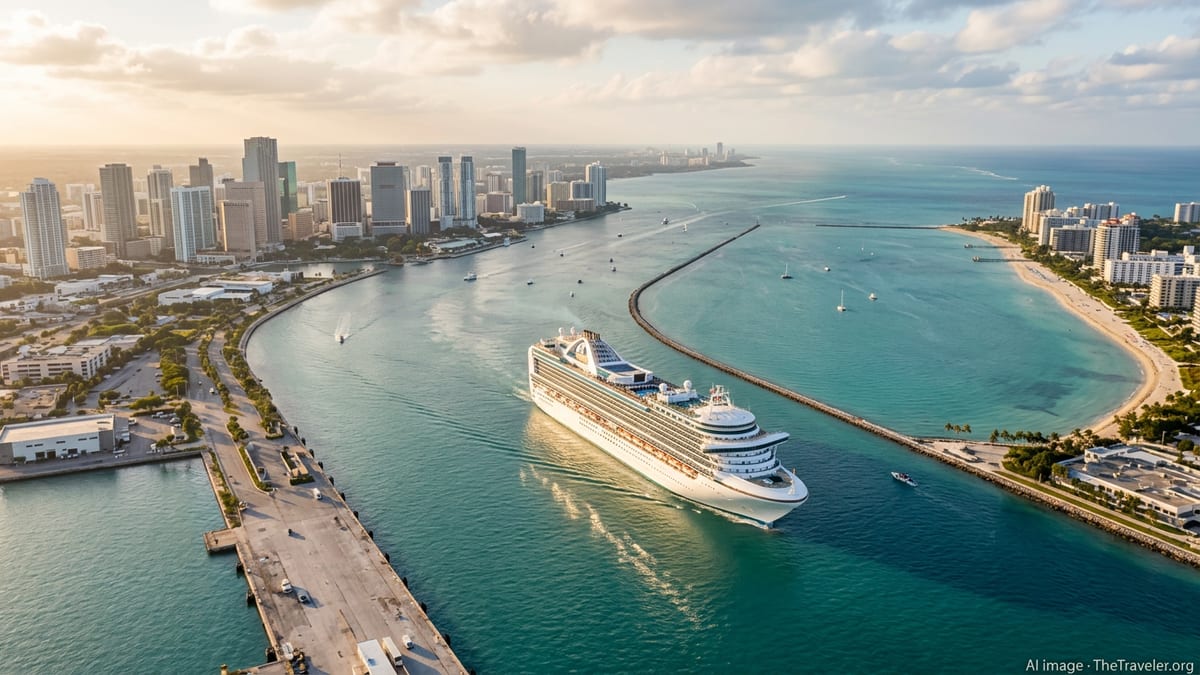
Miami Joins Growing Princess Cruises Caribbean Homeport Network
Princess Cruises will begin homeporting in Miami starting with its 2027 Caribbean season, adding the South Florida hub to a roster that already includes Port Everglades, Port Canaveral, New York and San Juan. The move positions the line at the heart of the world’s most competitive cruise market and increases flexibility for travelers who want more departure choices within easy reach of major air gateways.
The Miami deployment is part of a wider 2027 to 2028 Caribbean program that Princess describes as its largest and most diverse in the region, featuring 31 destinations and 184 departures. Internal program materials show Miami joining as a new turnaround port, signaling a long-term commitment rather than a one-off seasonal test.
Industry analysts say the decision reflects both strong demand for Caribbean itineraries and intensifying competition among major brands to secure prime berths in South Florida. With rival lines also boosting their 2027 presence, Princess is leaning on a multi-port strategy that spreads capacity across Florida and the Caribbean while keeping air and ground access straightforward for guests.
The addition of Miami also allows Princess to more directly tap into the city’s well-established pre- and post-cruise tourism ecosystem. Hotels, dining, nightlife and beaches within a short drive of the port are expected to feed into bundled cruise-and-stay packages aimed at international visitors and domestic travelers extending their vacations beyond the sailing dates.
Two-Ship Miami Base to Drive Southern Caribbean Growth
From 2027, Princess plans to base two ships in Miami for a series of roundtrip Southern Caribbean sailings, offering more than 30 cruises that collectively call at 15 ports around the region. The dual-ship setup marks a significant capacity increase focused squarely on itineraries that go beyond the more familiar short-haul Bahamas and Eastern Caribbean routes.
The program is expected to feature a mix of seven- and ten-night voyages visiting classic Southern Caribbean favorites such as Aruba, Bonaire and Curaçao, along with calls in Barbados, Grenada and other islands that appeal to repeat cruisers looking for new combinations of ports. By concentrating a pair of vessels in Miami, Princess can alternate routes and lengths, encouraging back-to-back bookings and longer stays at sea.
Travel advisors say the Southern Caribbean focus plays to Princess Cruises’ traditional strengths, including port-intensive itineraries and an emphasis on scenic cruising and shore-time value. Visiting more ports in a week than many mainstream itineraries, the Miami-based program aims to attract both loyal Princess guests and new-to-brand cruisers who want a deeper island lineup without long-haul flights to more distant regions.
The company’s broader 2027 to 2028 deployment also includes continued sailings from San Juan and Fort Lauderdale, creating multiple gateways into the Southern Caribbean. For experienced cruisers, that means the ability to pair a San Juan departure with a Miami roundtrip in a single season, exploring different island clusters under the same brand umbrella.
Star Princess Returns as Fleet Expansion Accelerates
Miami’s rise as a Princess homeport coincides with the return of the line’s newest generation of ships to the Caribbean, led by Star Princess. The Sphere-class vessel, which debuted with Mediterranean and Europe sailings, is scheduled to come back to the region during the 2027 to 2028 window, bringing newer hardware and expanded amenities to Caribbean routes.
Within the Caribbean deployment, Star Princess is part of a nine-ship lineup that also includes Sun Princess and several Royal-class and Coral-class vessels. The scale of the fleet assigned to the region reflects how central Caribbean operations have become to Princess’ year-round deployment strategy, accounting for a substantial share of its global itineraries.
Onboard, the expanded Caribbean presence is expected to showcase Princess’ latest dining concepts, entertainment venues and technology-enabled services such as its wearable Medallion system. For cruisers sailing from Miami, this translates into a more contemporary onboard experience that is competitive with other large-ship operators vying for the same vacationers.
Fleet-wide, Princess continues to stagger its newest ships between marquee destinations like Europe and Alaska and high-volume regions such as the Caribbean. With Miami now in the mix, the line has additional flexibility to rotate next-generation vessels through Florida while still maintaining robust offerings from long-standing homeports including Port Everglades and Port Canaveral.
Caribbean Ports and Destinations See Tailwind from 2027 Shift
For island destinations, the Princess Cruises expansion anchored in Miami’s new homeport status promises a measurable economic lift. More frequent turnarounds and a higher volume of Southern Caribbean calls translate into increased passenger spending on shore excursions, dining, shopping and independent tours across the region.
Destinations such as Aruba, Bonaire and Curaçao stand to benefit from sustained, schedule-driven visibility in U.S. and international source markets. Being regularly featured on multi-ship Caribbean programs helps ports secure repeat business, as travelers who sample an island on one itinerary often come back for longer land stays later, according to tourism officials.
The 2027 program also dovetails with broader infrastructure investments underway at several Caribbean ports, including pier expansions and terminal upgrades designed to handle larger, more modern ships. By signaling multi-year commitments from a premium brand like Princess, the Miami-based deployments give local authorities and private investors more confidence to move ahead with long-range planning.
Environmental considerations remain part of the conversation as cruise lines and island governments work on shore power projects, waste-reduction initiatives and controlled visitor flows in sensitive destinations. With more ships homeporting in Florida and spreading across the Caribbean, stakeholders are under pressure to balance economic gains with sustainability benchmarks that consumers increasingly expect.
Travelers Gain More Choice in a Crowded 2027 Cruise Market
For travelers, the practical impact of Princess Cruises’ new Miami homeport is a wider array of sailing dates, ship choices and itineraries in an already busy 2027 cruise calendar. With additional options from multiple Florida ports, cruisers can shop for price, length and destination mix without sacrificing ease of access to their departure point.
Travel advisors report that clients are increasingly looking to bundle cruises with theme park visits in Central Florida or city breaks in Miami and Fort Lauderdale. The presence of Princess ships across Port Canaveral, Port Everglades and now Miami facilitates these multi-stop vacations, giving families and couples more ways to tailor their trips.
The competitive landscape in 2027 is also expected to keep pricing dynamic, as major lines promote early-booking offers and loyalty incentives. Industry observers note that Princess, with its reputation for longer itineraries and destination focus, is leaning into differentiation rather than chasing the shortest, most heavily discounted sailings out of South Florida.
As the 2027 to 2028 season moves closer, the Miami announcement signals that Caribbean cruising is entering a new phase of scale and sophistication. For Princess Cruises, the new homeport is both a strategic foothold in the world’s leading cruise gateway and a platform for deepening ties with Caribbean destinations that remain central to its brand identity.