

More news on this day
Princess Cruises has implemented enhanced health and sanitation measures aboard the Star Princess after a norovirus outbreak sickened dozens of guests, prompting renewed scrutiny of illness prevention on cruise ships.
Get the latest news straight to your inbox!
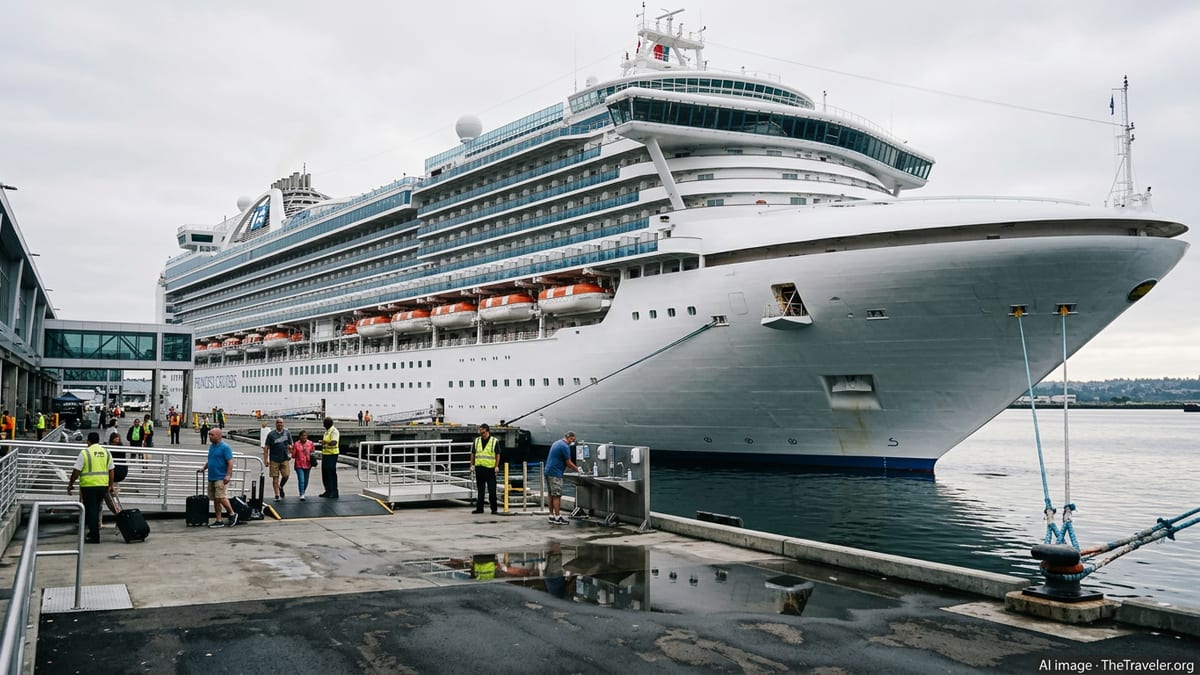
What Happened Aboard Star Princess
Recent reports indicate that a voyage of Princess Cruises' Star Princess experienced a norovirus outbreak that affected a significant number of passengers and crew. The ship, which was sailing a coastal itinerary, reported elevated levels of gastrointestinal illness consistent with norovirus, a common but highly contagious virus that spreads quickly in close quarters.
Norovirus outbreaks on cruise ships are tracked by public health agencies and trade media, and the incident on Star Princess has drawn attention because it follows other gastrointestinal illness events across the cruise sector in recent seasons. While the absolute percentage of those affected typically represents a small share of those on board, the concentration of cases in a confined environment can place pressure on onboard medical services and itinerary plans.
Publicly available information shows that the Star Princess outbreak led to additional cleaning time in port and adjustments to normal operations. Turnaround processes in homeports can be compressed when a ship requires deep cleaning, and in this case some embarkation formalities and onboard services were reportedly modified to prioritize sanitation.
The situation also arrives as the cruise industry continues to promote enhanced hygiene practices following the pandemic years, adding another test of how well these layered health protocols function when faced with a fast-moving gastrointestinal virus.
Enhanced Sanitation and Onboard Changes
According to published coverage and cruise industry reporting, Princess Cruises activated its outbreak response plan aboard Star Princess once case numbers crossed internal thresholds. That plan typically includes intensified cleaning of high-touch surfaces, more frequent disinfection of public restrooms and handrails, and additional housekeeping attention in affected cabins and surrounding areas.
Self-service in buffet venues is often one of the first aspects of shipboard life to change during a norovirus event. On Star Princess, reports indicate that shared utensils and self-serve stations were reduced or removed, with crew members serving food directly to guests to minimize the number of hands touching the same equipment. Beverage stations and soft-serve machines may also move to crew service only while enhanced protocols are in place.
Some onboard activities and venue operations can be impacted as well. Group events involving shared objects, close contact, or food and drink may be postponed, relocated, or restructured. While these steps can be inconvenient for guests, they are designed to limit opportunities for viral spread and to protect both passengers and crew working in crowded environments.
In addition, public information indicates that the ship’s routine cleaning schedule was supplemented with more frequent use of hospital-grade disinfectants that are effective against norovirus. These products are typically applied in guest corridors, public lounges, dining rooms, and children’s spaces, often accompanied by visible crews sanitizing throughout the day.
How Princess Cruises Is Communicating With Guests
When gastrointestinal illness is detected at elevated levels, cruise lines generally increase communication with guests about hygiene practices and available support. On Star Princess, passengers reported shipboard announcements and written notices reminding travelers to wash hands thoroughly with soap and water, particularly before dining and after using restrooms, and to avoid touching their faces.
Publicly available guidance emphasizes that alcohol-based hand sanitizer alone is not sufficient against norovirus, which is more effectively removed by proper handwashing. As a result, crew are often stationed near dining venues and gangways to encourage or supervise use of hand-washing sinks and to offer additional sanitizer as a secondary measure.
Guests who developed symptoms such as vomiting, diarrhea, or stomach cramps were encouraged to remain in their cabins and to contact the medical center for evaluation. Cruise line policies commonly include complimentary room service, symptom monitoring, and, in some cases, partial credits when isolation is required, though the specifics can vary by sailing and fare conditions.
Reports from previous Princess Cruises outbreaks suggest that communication also extends to travel agents and future guests booked on upcoming Star Princess departures, with updates on any changes to embarkation times, boarding procedures, or itinerary adjustments driven by the need for extended cleaning.
What Passengers Should Know Before Sailing
The Star Princess incident highlights several practical considerations for travelers planning upcoming cruises. First, norovirus is not unique to ships; it circulates widely in communities and can be introduced to a vessel by passengers or crew who were exposed shortly before boarding. The close living environment and shared facilities onboard, however, can accelerate transmission if precautions are not strictly followed.
Prospective guests are encouraged by public health agencies to review pre-cruise health questionnaires honestly and to consider postponing travel if they recently experienced gastrointestinal symptoms. Bringing basic medications for upset stomach, oral rehydration, and fever, in consultation with a health professional, can also provide reassurance in case mild illness occurs at sea.
Travel insurance with medical and trip interruption coverage can be especially relevant in the context of onboard outbreaks. Policies may help offset costs associated with medical visits, extended stays ashore, or changes in travel plans if a traveler becomes ill or if an itinerary is altered because of heightened sanitation needs.
Travelers who are immunocompromised, elderly, or managing chronic conditions may wish to discuss cruise travel with their healthcare providers, as norovirus can be more serious in vulnerable populations. Understanding the level of onboard medical capability, including staffing and equipment, can help guests make informed decisions about whether a particular itinerary and ship are appropriate for their circumstances.
Tips to Reduce Your Personal Risk on Board
Although no measure can fully eliminate the chance of contracting norovirus, individual behavior can significantly influence personal risk. Consistent handwashing with soap and water for at least 20 seconds remains the core recommendation before meals, after restroom use, and after returning from shore excursions, where shared transport and public facilities may increase exposure.
Avoiding shared serving utensils and common touchpoints where possible, and using a napkin or clean tissue to handle buffet tongs or condiment dispensers, can provide an extra layer of protection. Passengers can also minimize face-touching and be mindful about eating finger foods in crowded venues where hand hygiene may be inconsistent.
Choosing to take meals during less crowded periods and maintaining some physical distance in elevators and tight corridors can modestly reduce exposure to respiratory droplets and surface contamination. Keeping personal cabin spaces tidy, regularly wiping down frequently touched items such as door handles and remote controls, and promptly bagging and removing any soiled items can further lower risks.
Finally, travelers who begin to feel unwell are encouraged by public guidance to self-isolate as quickly as possible, notify the ship’s medical staff, and avoid public spaces. Early reporting and cooperation with onboard protocols help protect fellow passengers and crew and can shorten the overall duration and impact of an outbreak, as the Star Princess experience demonstrates.