

More news on this day
Air travel across Puerto Rico and several major U.S. gateways was heavily disrupted today, as nearly 100 delayed flights and a cluster of cancellations at San Juan’s Luis Muñoz Marín International Airport left thousands of passengers stranded or rerouted through Miami, New York and Orlando.
Get the latest news straight to your inbox!
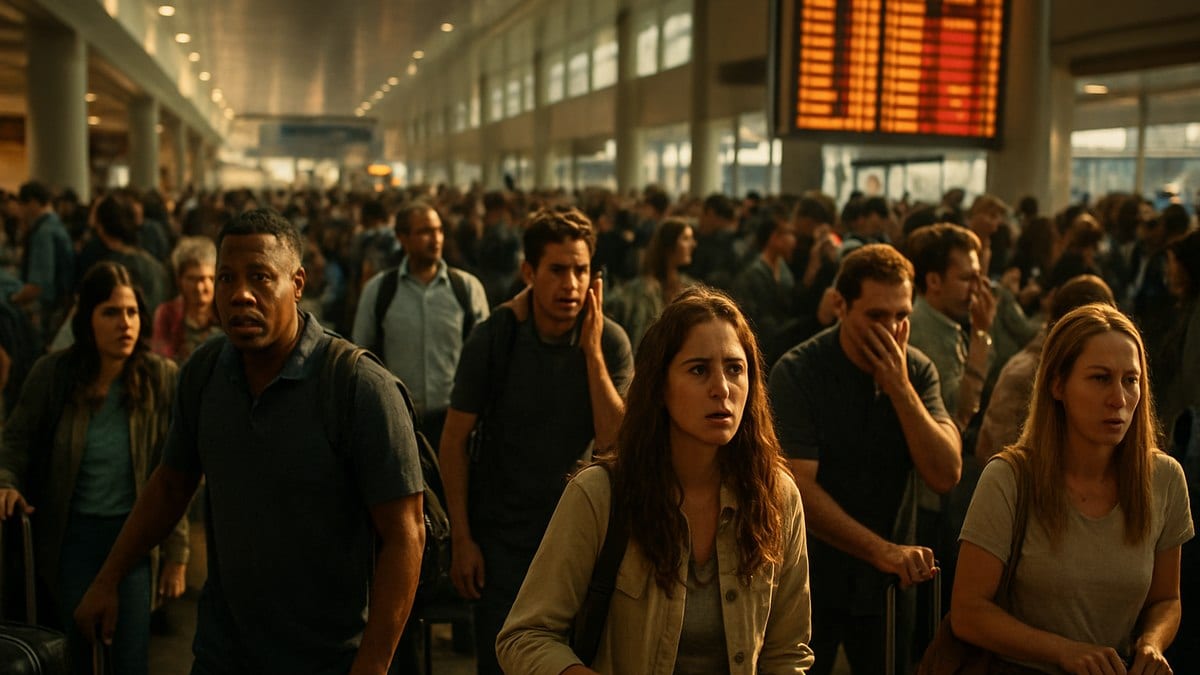
Wave of Delays Hits Luis Muñoz Marín International Airport
Publicly available flight-tracking data for April 5 show 93 delays and at least six cancellations at Luis Muñoz Marín International Airport in San Juan, Puerto Rico, affecting a mix of domestic and regional routes. The disruption began in the early morning departure bank and continued into the afternoon, backing up security queues, crowding departure lounges and forcing many travelers into extended, unplanned airport stays.
Reports indicate that the impact was most visible on high-frequency routes linking San Juan with Miami, New York area airports and Orlando, which together handle a significant share of Puerto Rico’s mainland traffic. Carriers including American Airlines, JetBlue and Spirit feature prominently in the San Juan schedule, and the knock-on effect of delays at one hub quickly propagated through the wider network.
Operational dashboards referenced in travel-industry coverage describe a pattern of rolling delays, with flights pushed back in increments of 30 to 90 minutes rather than cancelled outright. While this strategy can help airlines keep aircraft and crews positioned, it often results in missed connections, tighter crew-duty limits and eventual evening cancellations for some rotations.
The turbulence comes at a time when San Juan is handling robust passenger volumes. Recent aviation data show that Luis Muñoz Marín International Airport operates more than 5,700 departures per month to nearly 60 destinations, underscoring how quickly disruptions can multiply when one of the Caribbean’s busiest hubs encounters operational headwinds.
Miami, New York and Orlando Bear the Brunt Downline
The ripple effects of the Puerto Rico airport disruption extended throughout the day to major mainland gateways, especially Miami, New York and Orlando, where arriving passengers encountered late inbound aircraft and compressed connection windows. Flight-status boards at these airports showed a cluster of delayed services linked to San Juan and other Caribbean points, contributing to congestion in already busy terminals.
According to published coverage that draws on nationwide tracking data, U.S. airports have been managing elevated levels of disruption since early April, with hundreds of cancellations and thousands of delays recorded even before today’s Puerto Rico bottleneck. In this context, the San Juan issues added another layer of complexity for carriers and passengers trying to move through coastal hubs.
Travel analysis platforms note that Florida and Northeast airports are particularly sensitive to disturbances in the Caribbean network, because so many leisure and visiting-friends-and-relatives itineraries connect through these cities. When a wave of delays hits San Juan, aircraft rotations into Miami, Orlando and New York can quickly fall behind schedule, limiting available spare capacity to absorb additional shocks such as weather or air-traffic restrictions.
For travelers, the result today was a familiar pattern: extended time on the tarmac, long waits at gate areas and uncertain arrival times. Some passengers reportedly faced missed cruise departures, lost hotel nights and rebookings onto next-day flights when onward connections evaporated.
Weather, Congestion and Staffing Add to April Travel Strains
The San Juan disruption unfolded against a broader backdrop of stressed U.S. air operations in early April. Recent nationwide statistics compiled by aviation-data outlets highlight approximately 460 cancellations and around 5,500 delays across the United States on April 4, reflecting a mix of thunderstorms, congestion and staffing constraints at key hubs.
While the specific triggers at Luis Muñoz Marín International Airport today varied by carrier and route, analysts point to a combination of tight aircraft utilization, strong seasonal demand and limited slack in crew rosters as contributing factors. When schedules are running close to capacity, even moderate disturbances can cascade into a disproportionately large number of delayed flights.
Industry commentary cited in travel reports also notes a trend among airlines toward favoring delays over outright cancellations where possible. By holding flights, carriers aim to maintain network integrity and avoid costly passenger reaccommodation. However, this tactic can lengthen connection times, fill airport waiting areas and increase the likelihood of duty-time violations later in the day, which in turn can force last-minute cancellations on later segments.
Puerto Rico’s role as a bridge between the mainland United States and the wider Caribbean intensifies the stakes. When operations at San Juan slow down, the effect is felt not only on point-to-point routes, but also across multi-leg journeys involving smaller island destinations that often have fewer daily frequencies and less room for rebooking.
Travelers Face Long Lines, Missed Plans and Limited Options
Passengers traveling through San Juan today encountered a range of complications, from long check-in and security lines to last-minute gate changes and scrambling for scarce customer-service assistance. Social-media posts and traveler forums referenced in local coverage describe early-morning queues forming well before dawn and stretching through the terminal as travelers tried to hedge against potential disruption.
As delays accumulated, many passengers were forced to adjust ground transportation, hotel reservations and cruise connections. Families with children and travelers with tight work commitments appeared particularly affected, with some publicly shared accounts describing missed events and the prospect of unexpected overnight stays when onward seats were unavailable until the following day.
Airlines operating at Luis Muñoz Marín International Airport generally encourage travelers to monitor their mobile applications and email notifications closely during periods of disruption. However, today’s volume of schedule changes tested digital and in-person support systems alike, as rebooking queues formed at customer-service desks and call centers reportedly experienced high wait times.
For visitors ending vacations in Puerto Rico, the experience provided a stark contrast to days spent on the island’s beaches and in historic Old San Juan. For residents, the disruption added to ongoing concerns about the reliability of air links that are essential for business, family travel and access to medical care on the mainland.
What Travelers Can Do in the Days Ahead
With early April already marked by elevated disruption levels across the U.S. network, travel experts cited in recent reporting advise anyone flying through San Juan or its key partner hubs to build extra flexibility into their plans over the coming days. That includes allowing longer connection windows, avoiding the last flight of the day where possible and ensuring that airline apps and contact details are up to date for rapid rebooking.
Passengers with itineraries linking San Juan to Miami, New York or Orlando are encouraged by travel advisories to pay particular attention to evolving schedules, given the heavy traffic on these routes and their outsized role in cascading delays. Same-day change options, paid or complimentary, may offer a way to move to more resilient routings during unsettled periods.
Trip-planning resources also emphasize the value of travel insurance or credit-card protections that can help cover additional accommodation, meals and ground transport when disruptions extend overnight. While not every delay or cancellation qualifies for reimbursement, reviewing coverage terms before departure can reduce financial uncertainty if plans unravel.
For now, the situation at Luis Muñoz Marín International Airport on April 5 underscores how quickly conditions can change in a tightly scheduled air-transport system. Even a limited number of cancellations, layered onto dozens of rolling delays, can strand thousands of travelers far from home or their intended destinations, with effects spreading well beyond Puerto Rico’s shores.