

More news on this day
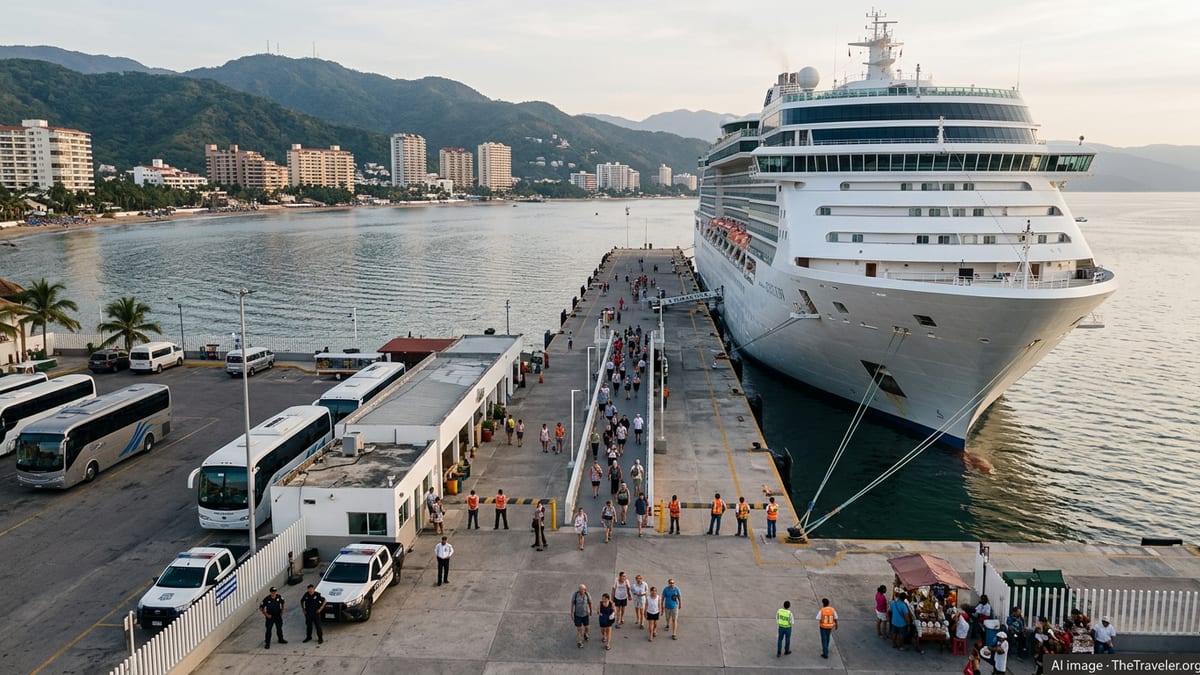
Puerto Vallarta welcomed its first cruise ship since the killing of cartel leader Nemesio “El Mencho” Oseguera Cervantes, a highly visible sign that this Pacific resort city is edging toward a tourism revival after two tense weeks of cancellations, diversions and near-empty beaches.
A Symbolic Arrival After Days of Violence
The Norwegian Bliss eased into Puerto Vallarta’s terminal this week, becoming the first cruise vessel to dock in the city since cartel unrest erupted across Jalisco on February 22 following El Mencho’s death in a military operation. Port workers, tour operators and local officials lined the pier, many describing the ship’s horn blast as a sound they feared would not return so soon.
The arrival comes after a cascade of cancellations by major cruise brands, which rerouted ships to alternative Mexican Riviera ports or added extra sea days as fires, roadblocks and shootings linked to the Jalisco New Generation Cartel rippled through the state. For Puerto Vallarta, where cruising is a key economic engine, the empty berths at the Marina Vallarta terminal had become a worrying daily reminder of how quickly perceptions of safety can shift.
City and state authorities moved to reassure visitors in the days leading up to the ship’s call, deploying marines, National Guard units and additional state police to key tourism zones, including the port area, the Malecón waterfront and hotel corridor. Officials have stressed that attacks did not target tourists directly, but they acknowledge the images of burning vehicles and shuttered storefronts shook international confidence.
Local tourism leaders hailed the ship’s call as a “vote of confidence” in the destination, even as they acknowledged that the return to normal cruise volumes will likely be gradual and dependent on how the broader security situation evolves in western Mexico.
How Cruise Lines Are Weighing Safety and Schedules
Norwegian Cruise Line’s decision to proceed with its Puerto Vallarta call contrasts with the more cautious stance taken by Carnival Corporation brands and several other operators, which extended suspensions of visits to the port into mid-March while monitoring government travel advisories and internal security assessments.
In recent days, travel trade outlets have reported that at least five scheduled calls to Puerto Vallarta were scrubbed between February 22 and early March, with ships instead spending additional time in Mazatlán, Cabo San Lucas or at sea. Cruise line statements to passengers have cited “ongoing security operations” in Jalisco and an abundance of caution in routing thousands of guests and crew through port access roads, tour staging areas and downtown districts.
Industry analysts note that cruise brands typically move in lockstep during security crises, but they also retain flexibility to respond differently based on their own risk models and local intelligence. Norwegian’s return suggests that at least one major line believes conditions in and around the port have stabilized sufficiently for tightly controlled calls with reinforced security and vetted shore excursion partners.
Other lines are expected to reevaluate their positions in the coming days as more data emerges about the durability of the current calm, any further incidents in Jalisco and whether national and foreign travel advisories begin to ease.
What Passengers Will See on the Ground
Travelers stepping off the first returning ship found a destination that looks both familiar and subtly changed. The Bay of Banderas remains ringed with jungle-covered hills and high-rise resorts, but some commercial strips still show the scars of fires and vandalism from the cartel backlash, including charred facades and shuttered convenience stores outside the main tourist corridor.
Inside the terminal and along the primary routes used for excursions, authorities have concentrated a visible security presence. Passengers can expect to see uniformed marines and National Guard patrols near the pier entrance, at key intersections, and around shopping and tour departure areas. Local officials say these deployments are designed to reassure visitors rather than signal imminent danger, but they mark a notable shift from the more relaxed pre-crisis atmosphere.
Tour offerings have been adjusted to steer guests toward well-monitored zones, including marina-based sailing trips, curated city tours that focus on the historic center and Malecón, and resort day passes in the hotel district. Some independent operators in outlying neighborhoods report that bookings remain thin, as cruise lines encourage passengers to stick with organized excursions that follow routes coordinated with authorities.
Despite the tension of recent days, many visitors who did disembark described a largely normal day in port: crowded beachfront restaurants, bustling souvenir stalls and sunset views that belied the headlines. For local business owners, each table filled and each tour van departing represented a small but meaningful step away from the economic shock triggered by the unrest.
Impact on Puerto Vallarta’s Tourism Economy
Puerto Vallarta’s dependence on tourism made the sudden pause in cruise calls especially painful. Prior to the recent violence, the port ranked among Mexico’s busiest on the Pacific coast, hosting dozens of ships each month and feeding a steady stream of customers to local guides, taxi drivers, crafts vendors and restaurants.
The cancellations that followed El Mencho’s death came on top of flight disruptions and widespread road closures that briefly isolated the city from the rest of Jalisco. Hoteliers and restaurateurs reported immediate waves of cancellations from international visitors who opted to postpone or reroute vacations amid uncertainty about how long the disturbances would last and whether they might spread to core tourist zones.
State and local authorities have announced support measures for affected small businesses, including temporary tax relief and promotional campaigns aimed at reassuring key markets in the United States and Canada that Puerto Vallarta remains open for tourism. Industry groups are lobbying federal officials for additional marketing funds to counter images of burning vehicles and armed convoys that dominated international coverage of the crisis.
Economists caution that cruise traffic is only one part of the city’s tourism mix, but its high visibility makes it a bellwether for investor and traveler confidence. The sight of a modern mega-ship back at the pier, they say, could help persuade hesitant visitors that the immediate emergency has passed, even as underlying security concerns remain.
Key Advice for Travelers Considering Puerto Vallarta Now
For travelers weighing trips to Puerto Vallarta in the coming weeks, experts recommend a cautious but measured approach. They advise monitoring official travel advisories from home governments, which may still reflect heightened concern for Jalisco even as on-the-ground conditions improve, and checking with airlines and cruise lines for the latest itinerary updates.
Visitors arriving by ship or air should expect a more controlled experience than before the unrest, with increased security screenings at the port and airport, police checkpoints on some access roads and a stronger emphasis on organized tours over independent exploration, especially in areas outside the main hotel and waterfront districts.
Travel planners suggest that those who are uncomfortable with visible security or rapidly changing conditions may prefer to wait until after March, when cruise schedules and hotel bookings are expected to provide a clearer picture of how lasting the tourism rebound will be. Others, particularly repeat visitors familiar with the city, may feel confident returning sooner, drawn by lower crowds and a strong desire among locals to welcome back guests.
For now, Puerto Vallarta’s first post-El Mencho cruise call stands as both a milestone and a test: a demonstration that tourism can resume under tightened safeguards, and a reminder that the city’s long-term appeal will depend as much on sustained improvements in regional security as on its enduring beaches, sunsets and hospitality.