

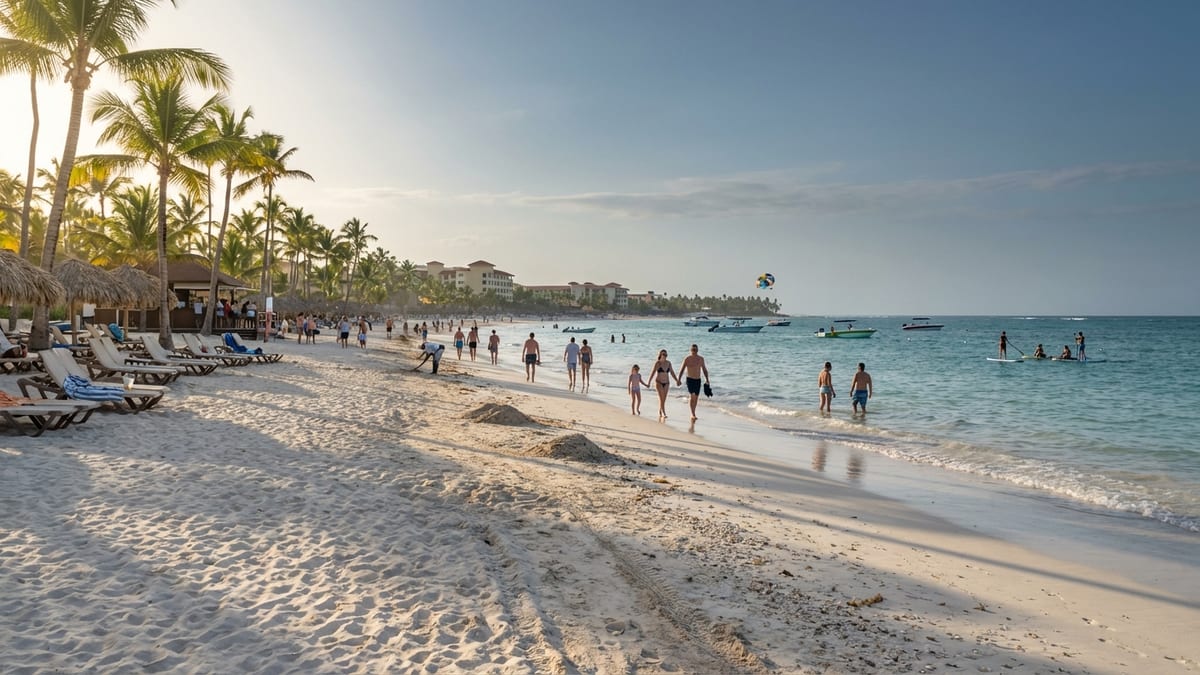
Punta Cana has become shorthand for the Caribbean resort dream: long sweeps of white sand, all inclusive cocktails at sunset and a nearly year round forecast of warm trade winds and bathtub calm seas. As visitor numbers continue to break records in 2025 and into 2026, the region is evolving fast.
New resorts are opening along quieter stretches of coast, beach clubs are remaking the nightlife scene, and practical questions around safety, seaweed and what to budget have become more important than ever. This guide walks you through what to expect now in Punta Cana, how to choose the right resort and beach area, and how to make the most of your stay once you land.
Understanding Punta Cana Today
Punta Cana is not a single town but a broad resort region occupying the eastern tip of the Dominican Republic, facing both the Atlantic and the Caribbean. The international airport serves as the main gateway for the country’s booming tourism industry, and in the first half of 2025 the Dominican Republic welcomed more than six million visitors, with Punta Cana handling roughly two thirds of those arrivals. That scale means polished infrastructure in the main resort zones, a deep bench of hotels and experienced tour operators, and a destination that is used to first time international visitors.
The region is divided into several beach corridors that each have a slightly different personality. Bávaro and Arena Gorda are the classic postcard stretches, dense with large all inclusive properties, shopping plazas and water sports hubs. Farther north and west, Uvero Alto and Macao feel more remote, with newer, often more upscale or boutique resorts and more dramatic, wave washed beaches. South of the airport, Cap Cana and the area near Juanillo Beach lean toward luxury residential communities and high end resorts built around golf, marinas and quieter bays.
For travelers coming from the United States in 2026, entry procedures are straightforward. You need a valid passport and must complete an electronic entry form, commonly referred to as the e ticket, within 72 hours of arrival. The Dominican Republic has dropped Covid 19 testing and vaccination requirements, and there are no health related curfews or mask mandates in place. Airports and major resorts continue to maintain heightened hygiene protocols, but the experience for most visitors feels much like pre pandemic Caribbean travel, just busier.
On the safety side, the Dominican Republic as a whole is under a Level 2 advisory from the U.S. State Department, which means travelers are urged to exercise increased caution because of crime. Analysts who track destination risk consistently note that Punta Cana’s resort areas have stronger security and lower violent crime rates than urban centers. Tourist police patrol hotel zones and beaches, major resorts invest heavily in private security, and incidents involving visitors tend to be non violent theft rather than serious assaults. Common sense precautions around valuables, alcohol and transportation still apply and are covered later in this guide.
Choosing the Right Resort Zone
With dozens of large scale resorts and an increasing number of smaller hotels and vacation rentals, the most important decision you will make is which part of Punta Cana to stay in. Each zone offers a different balance of beach conditions, atmosphere, nightlife and access to excursions. Understanding those trade offs will help you avoid disappointment and align your stay with what you actually enjoy on holiday.
Bávaro and Playa Bávaro form the heart of the resort strip. This is a wide, pale sand shore backed almost continuously by hotels, beach bars and water sports kiosks. The water is usually calm, protected in part by an offshore reef, and you will find everything from family focused all inclusive properties to adults only resorts here. For first timers who want to step off the plane, check into a large resort and have entertainment, food and tours coordinated in one place, Bávaro is often the most convenient choice. The trade off is crowds and a more commercial feel, especially in front of the busier hotel clusters.
Just north, Arena Gorda and El Cortecito feel like a continuation of Bávaro but with slightly fewer mega resorts and a bit more of a local village atmosphere in pockets. Access to the main beach is still excellent, and prices at some properties can be more forgiving than at the flagship names in Bávaro. You will still be just a short drive from shopping malls, casinos and nightlife. If you like the idea of walking out to a lively but not overwhelming beach, with parasailing boats passing and vendors offering excursions, this middle stretch may suit you well.
Farther up the coast, Uvero Alto and the area around Macao have developed later and remain less dense. Newer five star and adults only resorts dominate here, many built with larger room categories and more spa or wellness features. The beaches can be wilder with more surf, giving them a dramatic beauty that appeals to couples and repeat visitors. Because of the location, transfer times from the airport are a bit longer and off resort options within walking distance are fewer, but many people see that as a plus and are content to stay mostly on property, using organized tours for occasional excursions.
Resort Styles: All Inclusive, Luxury and Boutique
Once you have narrowed down a beach zone, the next decision is resort style. Punta Cana is known for all inclusive resorts, and those still dominate, but there is growing variety in how those packages are structured and in the emergence of smaller, more independent hotels. Thinking about how you like to dine, drink and organize your days is key to choosing the right option.
Traditional all inclusive resorts in Punta Cana typically bundle buffet and specialty restaurant meals, domestic and often international alcohol, non motorized water sports, nightly entertainment and kids clubs into a single daily rate. These properties are tailored for travelers who want cost certainty and minimal logistics on the ground. Larger brands may operate multiple sister resorts side by side, giving you access to many pools, restaurants and bar scenes within a contained complex. For a multigenerational family or a group of friends, that can simplify planning enormously.
Over the last few years, a tiered version of all inclusive has become common. Many resorts sell standard rooms with access to core outlets plus a higher “club” or “preferred” level that adds quieter pools, premium liquors, separate lounges and sometimes butler service. Adults only wings within family resorts are also on the rise, offering access to shared facilities but with kid free pools and restaurants reserved for those over 18. These refinements allow travelers to tailor the experience to their budget and tolerance for activity and noise.
At the upper end, Punta Cana’s luxury resorts focus less on frenetic entertainment and more on design, service and gastronomy. You will find properties oriented around golf courses, private marinas and secluded coves. Some are still technically all inclusive but operate more like high end hotels with curated dining rather than endless buffets. Others are European plan, meaning you pay separately for meals and drinks, which can make sense if you plan to spend more time exploring off property or prefer not to feel committed to resort restaurants every night.
Beach Conditions, Seasons and Seaweed
The beaches are the main reason people come to Punta Cana, and for the most part they live up to the photographs: soft white or golden sand, rows of palms and long, shallow entries into turquoise water. That said, not every stretch is identical, and conditions can change with seasons, trade winds and the presence of floating sargassum seaweed, which has affected many Caribbean destinations in recent years.
In general, November through April offers the driest weather and slightly cooler, less humid conditions. This is peak season, particularly around the year end holidays, when resort rates and airfares climb. The shoulder months immediately before and after can provide a good balance of pricing and weather. From May through October, temperatures are hotter and humidity higher, with more frequent afternoon showers and the theoretical risk of tropical storms, especially from August through early October. Even in the rainy season, many days bring a mix of sun and short bursts of rain rather than prolonged downpours.
Seaweed is a more variable factor. Local tourism officials and travel bloggers who monitor conditions note that the heaviest sargassum influxes tend to occur from roughly May to August, but the exact timing and intensity shift from year to year. Some days beaches are nearly free of seaweed; other days workers clear significant piles from the high tide line. Resorts deploy cleanup crews every morning, and some have installed offshore barriers in front of key swimming zones, but nature always has the final say. If a consistently clear beach is a high priority, focusing on zones that are historically less affected and traveling outside peak seaweed months can improve your odds.
Water conditions range from glass calm to moderately wavy, depending on location and weather. The main Bávaro area is protected by reefs and usually has gentle swells ideal for swimming, stand up paddleboarding and beginner snorkeling. Macao and some parts of Uvero Alto open more directly onto the Atlantic and can see stronger surf, which appeals to experienced swimmers and surfers but may not be as friendly for very young children. Red flags and lifeguards are present in front of many resorts. As always, obey posted warnings, stay within designated swimming areas and use flotation devices for weaker swimmers.
Arrival, Transportation and Getting Around
Most international visitors arrive at Punta Cana International Airport, a busy hub with a steady flow of charter and scheduled flights from North America and Europe. Arrivals and immigration are usually straightforward, but during peak weekend hours lines can be long. Completing your electronic entry form before departure and having the QR code handy speeds up processing. Baggage claim and customs are uncomplicated, and within minutes you are in the arrivals hall where transfer representatives and taxi stands cluster.
For many travelers, the simplest option is to pre book an airport transfer through their resort or a reputable shuttle company. These services meet you just outside customs, have your destination information on file and take you directly to your hotel in an air conditioned van or minibus. Prices are typically fixed by zone, and while they may cost more than bargaining with a taxi on the spot, they remove uncertainty after a long flight. Shared shuttles are available at lower cost but make multiple stops; private transfers are faster and more comfortable, especially if you are arriving with family or a lot of luggage.
Licensed taxis are widely available, and fares between the airport and different resort zones are posted and standardized, although you should always confirm the price before getting in. Ride hailing apps operate in parts of Punta Cana, but coverage and acceptance can fluctuate based on local regulations and pushback from traditional taxi unions. Many experienced visitors and safety experts recommend avoiding motorcycle taxis, known locally as motoconchos, because of helmet use and driving standards.
Once in your resort, walking is often practical within the property and along contiguous stretches of beach during daylight. For trips to shopping centers, off site restaurants or excursion departure points, using hotel arranged transportation or pre booked tour transfers is usually safest. Roads outside resort areas can be poorly lit and chaotic, and driving yourself requires confidence navigating local driving norms. If you do rent a car, choose a well known company, take full insurance, avoid night driving where possible and keep valuables out of sight.
Costs, Tipping and What to Budget
Punta Cana can be as budget friendly or as splurge worthy as you choose, but it is worth understanding the main cost drivers as you plan. Airfare will often be your largest single expense, especially around major holidays and school vacation periods. Resort rates vary widely by category, season and how far in advance you book. All inclusive properties may appear expensive at first glance, but when you factor in meals, drinks and entertainment, the total value can be strong, particularly for families who appreciate predictable daily costs.
On the ground, day to day spending depends on how often you venture off property and how much you participate in excursions. Organized tours to popular spots such as Saona Island, Catalina Island, zip line parks or off road buggy trails are priced similarly to other major Caribbean destinations. Photos and add ons can significantly increase the final bill, so clarify what is included when you book and avoid impulse purchases without checking prices. Spa treatments at resorts often carry premium pricing relative to off site options, but many travelers accept that as part of the convenience and safety of staying within the hotel complex.
Even at all inclusive resorts, you should plan on some incidental costs. Imported wines, top shelf spirits, specialty coffees and certain à la carte restaurants may carry surcharges at some properties. Airport departure taxes are typically included in modern airline tickets, but check your fare details to be sure. Souvenirs, sun care products and forgotten toiletries are usually more expensive in resort shops than at home, so packing carefully can save money. Travel insurance that covers medical care abroad, trip interruption and lost luggage is strongly recommended but not mandatory and should be factored into your total budget.
Tipping practices are a frequent question. Officially, service charges are often built into resort pricing, and staff do receive a portion of that. In practice, many guests tip bartenders, housekeepers, bell staff and servers in cash to recognize good service. Small denomination U.S. dollars are widely accepted and convenient. Typical amounts might range from a dollar or two per round of drinks, a few dollars per day for housekeeping and more for luggage assistance or exceptional service at dinner. For excursion guides and drivers, modest cash tips are customary if you are satisfied with the experience.
Health, Safety and Responsible Travel
Despite its resort polish, Punta Cana is still a tropical destination where basic health and safety precautions matter. The tap water is not considered safe to drink for visitors, so rely on bottled water, which is widely available and typically included at resorts. Many hotels also advise using bottled water for brushing teeth. Ice in established resorts and restaurants is generally made from purified water, but caution is wise when ordering beverages from street vendors away from tourist zones.
The sun in the Caribbean can be intense, even on cloudy days. Sunburn and dehydration are among the most common issues that send visitors to on site clinics. Pack and apply broad spectrum sunscreen with a high SPF, wear hats and sunglasses and seek shade in the middle of the day, especially in your first 48 hours while your skin adjusts. Drink plenty of water and pace your alcohol intake, particularly in an all inclusive environment where drinks flow freely. Air conditioning in rooms can feel cold compared to outdoor heat, so consider a light layer to avoid discomfort.
Mosquito borne illnesses such as dengue and chikungunya are present in the region, though large outbreaks in Punta Cana’s main hotel zones have been limited in recent years. Resorts regularly fumigate grounds and maintain landscaped areas to minimize standing water, but packing and using an effective insect repellent in the early morning and at dusk is still sensible. Long sleeves and trousers in the evening provide extra protection, especially if you plan to dine outdoors or visit more rural areas on excursions.
From a crime perspective, data compiled by insurance providers and independent risk indices place Punta Cana around the middle of the global pack, with crime levels lower than many Caribbean capitals and broadly comparable to big cities in North America and Europe. Petty theft can occur, particularly involving unattended bags on the beach or items left visible in rooms or on balconies. Use the in room safe for passports, excess cash and electronics when you are not using them. When you leave the resort, avoid flashing expensive jewelry or large sums of money, stick to main streets and tourist oriented areas and travel in groups at night. Respect local laws and customs, and if a situation or location feels wrong, trust your instincts and step away.
What to Expect Day to Day
A typical day in Punta Cana revolves around the rhythm of the resort and the sea. Morning starts early for some guests with sunrise walks along the beach, fitness classes and calm water activities such as kayaking or stand up paddleboarding before the sun reaches full strength. Breakfast buffets open early, and most properties keep at least one restaurant operating almost continuously through lunch. Midday pool scenes vary by resort, with some leaning into upbeat music, pool games and foam parties and others maintaining a quieter, more spa like atmosphere.
Afternoons are often the time for excursions: catamaran trips out to shallow sandbars, snorkel tours to reef patches, ATV rides through rural countryside, zip line circuits in the interior or cultural outings to nearby towns and rum or cigar factories. Reputable operators typically offer pickup and drop off from your hotel lobby and provide basic safety briefings. For independent exploration, some visitors head to public sections of popular beaches such as Macao for surfing lessons or to watch local life along the shore.
Evenings start slowly as the heat eases. Most resorts offer multiple dinner options, from buffets to themed à la carte restaurants that require advance reservations. Dress codes vary, but smart casual is usually acceptable in most venues; some fine dining rooms may require long trousers and closed shoes for men. After dinner, entertainment programs kick in with live music, dance shows, karaoke nights or beach parties. Larger properties have on site casinos and nightclubs, while others wind down earlier, catering to families and couples seeking quiet.
For those who want nightlife beyond the hotel, Punta Cana has stand alone clubs, bars and beach lounges that draw an international crowd. Organized transport from resorts is advisable if you go out late, and staying aware of your drinks and personal belongings is essential, as it would be in any major nightlife district. Many visitors find that a balance of on property evenings and one or two nights out offers the right mix of safety, variety and rest.
The Takeaway
Punta Cana in 2025 and 2026 is a mature Caribbean destination that continues to evolve. Visitor numbers are strong, new resorts and experiences are coming online and the infrastructure supporting tourism is deeper than ever. At the same time, questions about seaweed, safety and authenticity are valid. The key to a satisfying trip is matching your expectations to the reality of a large, resort dominated coastline and making informed choices about where to stay, how to move around and what to do once you arrive.
If you prize convenience, entertainment and a straightforward, all inclusive beach holiday, the core Bávaro and Arena Gorda strip remains hard to beat. If you are seeking more space, quieter sands and a feeling of escape, newer zones such as Uvero Alto and the luxury enclaves south of the airport are worth a close look. Understand that the environment and the sea have their own rhythms, respect local health and safety guidelines and approach the destination with curiosity rather than a checklist. Do that, and Punta Cana is well placed to deliver the warm water, soft sand and relaxed days that have made it a fixture on travelers’ wish lists for years.
FAQ
Q1: Is Punta Cana safe to visit in 2026?
Punta Cana’s main resort zones are generally considered safe, especially compared with many urban areas in the region. The wider Dominican Republic carries a Level 2 advisory from the U.S. State Department, meaning travelers should exercise increased caution, but tourist areas have more robust security and a visible tourist police presence. Using hotel arranged transportation, safeguarding valuables and avoiding excessive drinking or isolated areas at night will significantly reduce your risk.
Q2: Do I need a Covid test or proof of vaccination to enter the Dominican Republic?
As of early 2026, the Dominican Republic does not require Covid 19 testing or proof of vaccination for entry. Health protocols at airports and hotels remain in place, but there are no Covid related curfews or mask mandates. Requirements can change, so it is wise to verify current entry rules with official government sources before you travel.
Q3: What documents are required to enter Punta Cana?
You need a valid passport and must complete an electronic entry and exit form, often called the e ticket, within 72 hours of arrival and again before departure. The digital form simplifies immigration and customs procedures. Most airlines include any applicable tourist fees in the ticket price, but you should confirm this when booking.
Q4: When is the best time of year to visit Punta Cana?
The most popular months are December through April, when weather is usually drier and slightly cooler, though this is also when prices and crowds peak. May and June or late October and November can offer a good balance of value and pleasant conditions. From June through early autumn, temperatures and humidity rise and the risk of storms increases, though many visitors still enjoy vacations during this period.
Q5: How bad is the seaweed problem on Punta Cana’s beaches?
Sargassum seaweed appears seasonally in much of the Caribbean, including Punta Cana. The heaviest influxes often occur between roughly May and August, but timing and intensity vary year to year and even day to day. Resorts clean their beachfronts daily, and some beaches and zones tend to be less affected than others. While a stretch of days with visibly accumulated seaweed is possible, many visitors still experience largely clear water, especially outside the core months.
Q6: Is the tap water safe to drink?
No. Visitors are advised not to drink tap water in Punta Cana. Stick to bottled water for drinking, which is widely available and often complimentary at resorts, and consider using it to brush your teeth. Ice at established hotels and restaurants is typically made from purified water and considered safe, but extra caution is sensible in informal settings away from tourist zones.
Q7: Should I choose an all inclusive resort or a hotel without meals?
For most first time visitors, an all inclusive resort offers the easiest and often best value experience, especially for families and groups who appreciate predictable costs and on site entertainment. If you plan to explore the region extensively, prefer independent restaurants and are comfortable arranging your own activities, a non all inclusive or boutique property may suit you. The decision comes down to how much you value convenience versus flexibility.
Q8: What is the local currency, and do I need to exchange money?
The local currency is the Dominican peso, but U.S. dollars are widely accepted in Punta Cana’s resort areas for tips, many purchases and excursions. Credit cards are common at hotels and larger businesses. Having some pesos can be useful for small shops, local eateries or transportation away from main zones, but many travelers manage with a mix of cards and dollars. Avoid street money changers and use official banks or authorized exchange offices if you need local currency.
Q9: Are there health risks I should be aware of?
Beyond the familiar issues of sunburn and dehydration, mosquito borne illnesses such as dengue exist in the Dominican Republic. Staying at resorts that regularly fumigate, using insect repellent at dawn and dusk and wearing light long sleeves and trousers in the evenings reduce risk. No special vaccines are required for travelers from the United States, though health agencies often recommend that routine vaccinations be up to date and may suggest hepatitis A or typhoid for some travelers. Consult a medical professional before your trip if you have concerns.
Q10: Is Punta Cana suitable for families with young children?
Yes. Punta Cana is one of the Caribbean’s most family oriented destinations, with many resorts offering kids clubs, shallow pools, splash parks and family suites. The calmer sections of Bávaro Beach in particular are well suited to young swimmers when conditions are normal. Parents should still supervise children closely around water, use sun protection, be cautious with buffet foods for very young kids and choose resorts with medical staff or easy access to clinics in case of minor illnesses.