

More news on this day
Sydney and Melbourne’s vital tourism economies are getting a measure of protection from the latest global oil price shock, as Qantas Airways leans on an extensive fuel hedging program to steady fares and flight capacity into Australia’s two biggest visitor gateways.
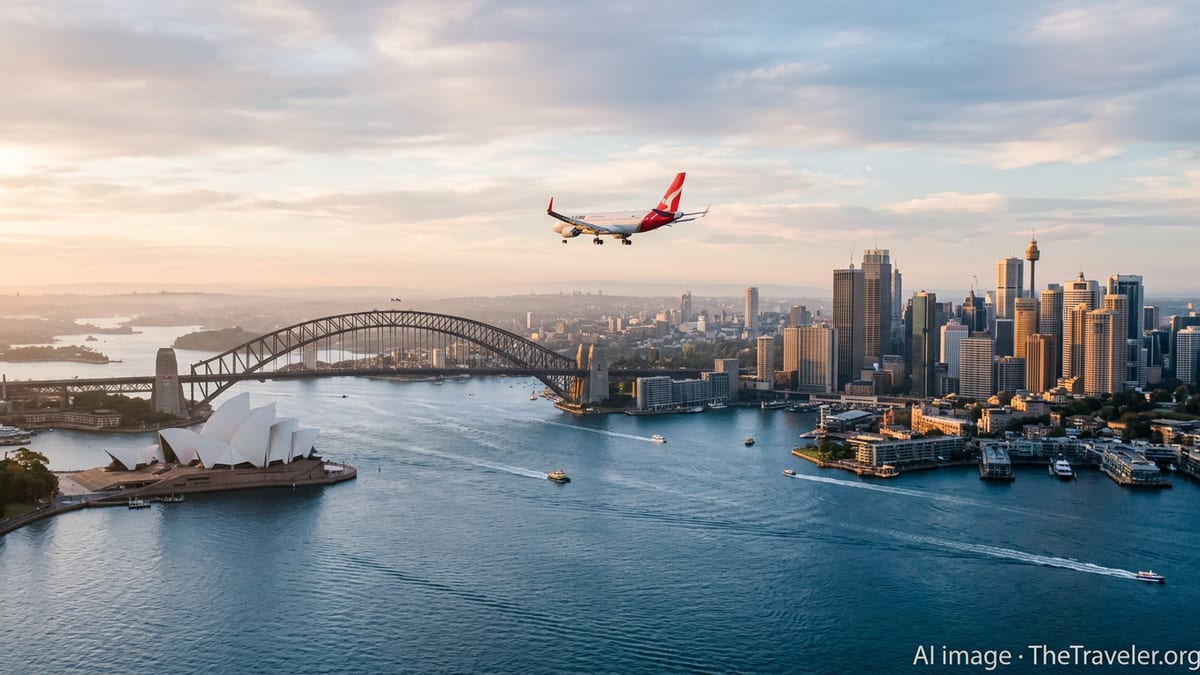
Fuel Price Shock Meets Tourism Reliant Cities
The latest spike in global oil prices, driven by conflict involving the United States, Israel and Iran, has quickly become the biggest test for airlines since the pandemic. Fuel is typically one of an airline’s largest single expenses, often accounting for around a quarter to a third of operating costs, and sudden increases can feed rapidly into airfares.
For Sydney and Melbourne, where international and domestic aviation are the lifeblood of tourism, higher fuel prices risk undermining a fragile post pandemic recovery. Visitor spending in accommodation, dining and attractions depends heavily on airlines keeping routes viable and tickets affordable, particularly for long haul markets such as North America and Europe.
Unlike carriers that fly heavily through the Middle East, Qantas has not faced large scale route disruptions, but it is fully exposed to the cost of jet fuel. The airline’s ability to cushion that shock will be closely watched by hotel operators, event organisers and state tourism bodies in New South Wales and Victoria.
Both cities have only recently benefited from a cooling of domestic fares after the sharp increases seen in the first years after borders reopened. Regulators recorded record or near record passenger volumes in late 2025, particularly on routes into Sydney and Melbourne, as airlines added extra flights to meet surging demand. Any reversal of that trend would be quickly felt across the visitor economy.
Inside Qantas’s “Pretty Good” Fuel Hedge
Speaking at a business summit in Sydney this week, Qantas chief executive Vanessa Hudson described the airline’s fuel hedging position as “pretty good” in the face of the latest oil price jump. The carrier has hedged about 81 per cent of its fuel needs for the second half of its financial year to June 30 2026, and typically operates a rolling 24 month hedging program.
Hedging allows Qantas to lock in fuel prices in advance, using financial instruments that cap what it pays even if market prices rise sharply. While the airline still expects a sizeable fuel bill in the second half, estimated at around A$2.5 billion including carbon costs, the bulk of that exposure is now at predetermined prices rather than whatever the market delivers day to day.
For travellers, the practical effect is that Qantas can avoid the most abrupt fare hikes that might otherwise follow a sudden oil shock. Instead of reacting overnight with large surcharges or sweeping capacity cuts, the airline has room to make more gradual adjustments while it monitors how long the price spike lasts and how demand holds up.
Industry analysts note that hedging is not a guarantee against higher fares. If elevated fuel prices persist beyond the life of existing contracts, airlines must eventually pay more and recover those costs. But in the short to medium term, Qantas’s strategy buys time and stability, which is particularly important on high profile tourism routes into Sydney and Melbourne.
What It Means for Airfares to Sydney and Melbourne
Travellers heading to Sydney and Melbourne should not expect a free pass from global energy markets, but they are unlikely to see the kind of immediate, double digit fare increases that might have occurred if Qantas were largely unhedged. The airline has already warned in previous oil rallies that some upward pressure on prices is inevitable when fuel costs jump.
In practice, that usually shows up first in the most flexible and last minute fares, along with reductions in sale fare availability, rather than across the entire fare ladder at once. Leisure travellers who book early and travel outside peak holiday periods may still find relatively competitive prices into both cities, especially where competition from low cost rivals remains strong.
On heavily trafficked domestic corridors such as Sydney to Melbourne and Sydney or Melbourne to Brisbane, airlines also have the option of fine tuning capacity rather than simply raising prices. Qantas has used this lever in the past, trimming some flights to improve profitability when fuel costs climbed, which can indirectly push average fares higher as cheaper seats sell out faster.
For inbound long haul markets, hedging support is even more critical. Routes from North America, Europe and parts of Asia involve long stages where fuel is a particularly large share of total operating cost. Maintaining competitive fares on these services is essential to keeping Sydney and Melbourne front of mind for international visitors planning big ticket trips.
Tourism Operators Weigh the Risks
Hotel, hospitality and attraction operators in Sydney and Melbourne are watching the fuel situation closely, but many take comfort from the fact that Qantas has locked in most of its near term fuel needs. After several years of volatile demand, stable seat capacity and manageable fares are now seen as more important than marginal price cuts.
Tourism businesses recall how, in 2025, strong demand combined with constrained capacity drove domestic airfares sharply higher, even without an oil shock of the current magnitude. That episode underlined how vulnerable local tourism is when flights into major gateways such as Sydney and Melbourne become scarce or prohibitively expensive at short notice.
State tourism agencies have been working to diversify visitor markets, pushing harder into segments such as high spending international leisure travellers, major events and business conferencing. These segments are somewhat less price sensitive and more focused on reliability and schedule, reinforcing the value of an airline strategy that prioritises continuity of service.
At the same time, small operators in regional New South Wales and Victoria, who depend on connecting flights through Sydney and Melbourne, worry that any reshaping of domestic networks to manage fuel costs could hit thinner routes first. For now, the signal from Qantas is that adjustments will be measured rather than drastic, but that stance will depend on where oil prices settle in coming months.
How Travellers Can Plan Around Volatile Fuel Costs
For travellers planning trips to Sydney or Melbourne in 2026, the main takeaway is that Qantas’s hedging strategy provides a degree of insulation, not immunity, from higher fuel prices. Airfares are unlikely to collapse back to pre pandemic levels, but nor is there yet evidence of runaway price inflation purely on the back of the latest oil spike.
Industry experts suggest booking key trips earlier than usual, particularly for school holidays, major events and long haul itineraries that hinge on limited daily flights. Locking in fares before airlines complete any recalibration of pricing and capacity can help travellers avoid later increases if fuel markets remain tight.
Flexibility also remains valuable. Being open to midweek departures, shoulder season travel and alternative Australian gateways, if suitable, can widen fare options. However, for many international visitors, Sydney and Melbourne will remain primary entry points, and the relative stability offered by Qantas’s fuel hedge may compare favourably with carriers more exposed to floating fuel prices.
For now, the message from Australia’s flag carrier is that it has substantial protection in place and is monitoring the situation closely. That should provide some reassurance to both holidaymakers and business travellers that Sydney and Melbourne will stay accessible, even as the global aviation industry negotiates another period of fuel price turbulence.