

More news on this day
Travelers flying through Singapore on routes to Melbourne, Kuala Lumpur, Bahrain and other key destinations are facing fresh disruption as a series of cancellations involving Qantas, Gulf Air and other carriers trigger schedule shakeups and last minute itinerary changes.
Get the latest news straight to your inbox!
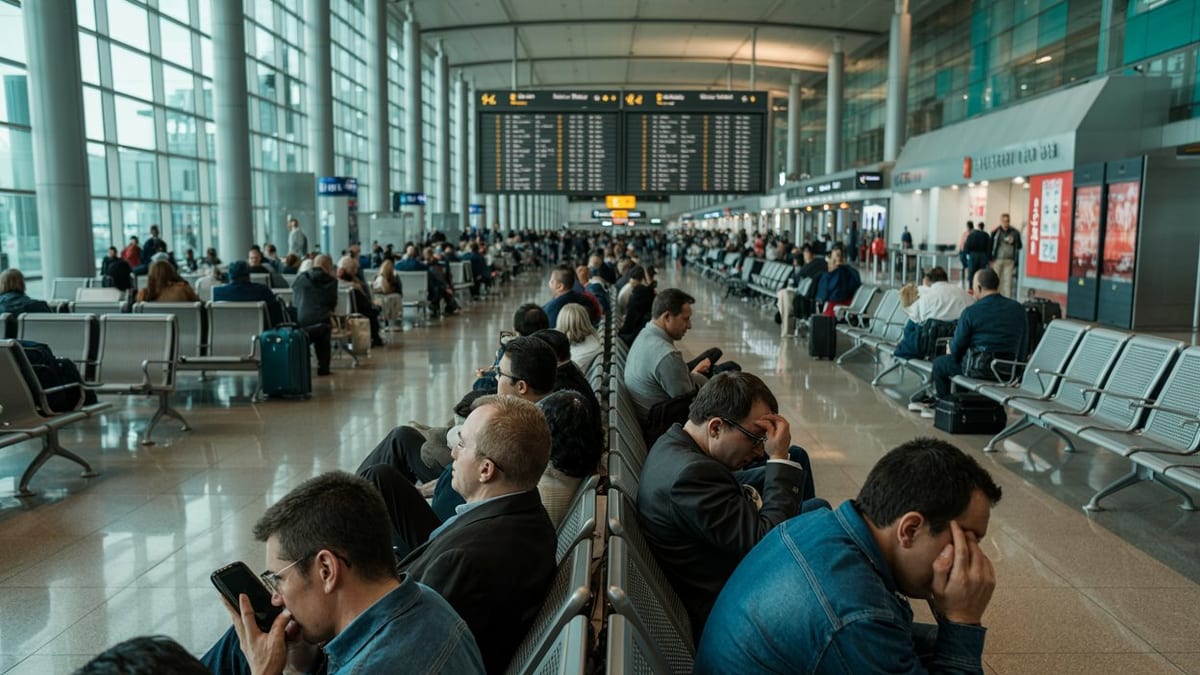
Image by Travel And Tour World
Four Key Flights Dropped as Schedules Shift Around Singapore
Publicly available flight-tracking data and airline schedule updates for late March 2026 show at least four notable services touching Singapore removed from timetables or marked as cancelled in the current operating window. These include Qantas-operated links tied to Melbourne, a Gulf Air service affecting onward travel to Bahrain, and short-haul connections into Kuala Lumpur that normally feed regional and long haul networks.
In the Melbourne market, schedule changes indicate a Qantas-operated leg involving Singapore and Melbourne withdrawn from operation on select days, forcing passengers on those departures to be reaccommodated on alternative routings or different departure dates. Some travelers report being shifted to later departures or rerouted via other Australian gateways when the Singapore leg no longer appears in sales systems or online check-in flows.
Regional connectivity has also been affected. Flights serving Kuala Lumpur from Singapore, used both by point-to-point travelers and as a key connection for longer journeys across Asia and to Australia, show isolated cancellations on the same operating days. While alternative departures remain in place, the loss of specific flights has tightened options for those relying on precise connection times, including business travelers and those with onward long haul segments.
For Gulf Air passengers, changes around Bahrain-linked itineraries have added a further layer of complexity. Advisory documents and third-party notices referencing adjusted operations via Dammam for Bahrain-bound travelers, together with a rolling policy allowing additional cancellations or rebookings through late March, indicate pressure on the carrier’s normal scheduling patterns into and out of the Gulf.
Knock-on Effects for Melbourne, Kuala Lumpur, Bahrain and Beyond
The immediate impact for passengers is a higher likelihood of missed or broken connections, particularly where Singapore functions as a mid-point hub between Australia, Southeast Asia and the Middle East. When a single Singapore–Melbourne or Singapore–Kuala Lumpur leg is cancelled, itineraries that looked smooth at booking can suddenly involve long layovers, backtracking or even overnight stops.
In Melbourne’s case, disrupted services have the potential to hit both inbound and outbound flows. Travelers departing Australia and planning to connect in Singapore toward South or Southeast Asia may now see their initial domestic or trans-Tasman sectors re-timed to mesh with revised departure waves, while inbound passengers from Europe or Asia who expected to transit quickly through Changi to reach Melbourne may instead be offered reroutes through Sydney or Brisbane, or shifted to different operating days altogether.
For routes touching Bahrain, the complications are heightened by regional airspace volatility and evolving operating plans. Gulf Air advisories setting out special flights via Dammam and extended windows for free cancellations through March point to an environment in which schedules can move quickly, with some regular flights temporarily absent from booking channels. Passengers with Singapore-linked itineraries involving Bahrain may therefore find themselves rebooked over alternative hubs or offered refunds where viable routings are not available.
Even travelers whose flights are not directly cancelled can feel the effects. As airlines consolidate passengers from removed services onto remaining departures, load factors on popular routes such as Singapore–Melbourne and Singapore–Kuala Lumpur are likely to climb, reducing last-minute availability and potentially driving up walk-up fares in the short term.
What Public Information Shows About Airline Responses
Airline websites, customer advisories and schedule change notices indicate that carriers are leaning on a familiar toolkit to manage the current wave of disruptions through Singapore. For affected departures, options commonly include free rebooking to nearby dates, rerouting via other hubs on the same ticket, or full refunds when the cancelled segment makes the original journey impossible or impractical.
Reports from passengers on public forums suggest that Qantas is using its broader network to soften the blow by shifting some travelers from cancelled Singapore-linked legs onto alternative connections through other Australian cities or partner-operated services, subject to seat availability. However, those traveling at the end of school holidays or during major regional events may find that replacement options are limited on peak days.
Gulf Air, for its part, appears to be maintaining a rolling flexibility policy on itineraries impacted by operational changes and regional conditions, with publicly shared guidance pointing to extended windows for penalty-free cancellations or modifications on departures in March. Travelers connecting between Singapore and Bahrain via the Gulf are encouraged in public-facing notices to monitor their booking status closely as flight numbers and routings are adjusted.
Regionally, airlines feeding traffic between Singapore and Kuala Lumpur are adjusting frequencies and aircraft deployment to balance demand against operational constraints. On days when a particular flight is cancelled, remaining services often operate as scheduled, but may see higher passenger loads as affected travelers are shifted forward or back in the timetable.
Advice for Travelers Connecting Through Singapore Now
For passengers with upcoming journeys involving Singapore, published guidance from consumer advocates and travel industry channels emphasizes preparation and flexibility. Travelers are strongly encouraged to check their booking status repeatedly in the days leading up to departure and again on the morning of travel, as last minute schedule adjustments remain possible while airlines reoptimize their networks.
Where a flight has been removed from the timetable or flagged as cancelled, travelers are generally advised to act quickly to secure the best alternative. Rebooking early, even when multiple options are available, can improve chances of obtaining suitable connection times to Melbourne, Kuala Lumpur, Bahrain or other onward destinations before remaining seats are taken by other affected passengers.
Those booking new tickets through Singapore in the current environment may wish to allow longer connection windows than usual, particularly on itineraries that mix carriers or involve transfers between different terminals. Travel experts quoted in public coverage often recommend avoiding the last daily connection to a critical destination where possible, in case of upstream delays or late-notice adjustments.
Finally, passengers are reminded to keep records of any additional costs incurred as a result of cancellations, such as overnight accommodation, meals or replacement ground transport. While reimbursement policies vary by airline and jurisdiction, having detailed documentation can assist in pursuing claims directly with carriers or through travel insurance providers if coverage applies.
Outlook for Singapore’s Regional Connectivity
Despite the present disruption, Singapore remains one of Asia’s most resilient aviation hubs, and published scheduling data suggests that the majority of flights are operating broadly as planned. The cancellation of four key services and associated adjustments by Qantas, Gulf Air and other operators represent a targeted response to specific operational pressures rather than a wholesale retreat from the market.
Industry observers note that airlines are still actively adding capacity on other trunk routes through Singapore, particularly where demand between Australia, Southeast Asia and Europe remains strong. Redeployment of aircraft onto high-yield services, combined with selective cancellations where loads are thinner or operational complexity is higher, is seen as a way for carriers to navigate a challenging operating landscape while preserving core connectivity.
In the near term, travelers can expect a somewhat bumpier experience than pre-disruption norms, with a higher need to monitor flights and occasional last-minute gate or timing changes. Over the coming weeks, however, schedules typically stabilize as airlines finalize their seasonal plans and incorporate the latest regional developments into longer-term timetables.
For now, the key message for passengers moving through Singapore toward Melbourne, Kuala Lumpur, Bahrain and other affected destinations is to stay informed, stay flexible and build in margin where possible, recognizing that even a small number of cancelled flights can ripple widely across one of the world’s busiest international networks.