

More news on this day
Global air travel is facing a fresh wave of disruption as Qatar Airways sharply curtails international services, including routes to Tokyo, Warsaw, Moscow, and Birmingham, compounding mounting operational challenges already affecting travelers in the United Kingdom, Denmark, Russia, Germany, Ireland, Poland, Japan, and other markets linked to the Middle East conflict.
Get the latest news straight to your inbox!
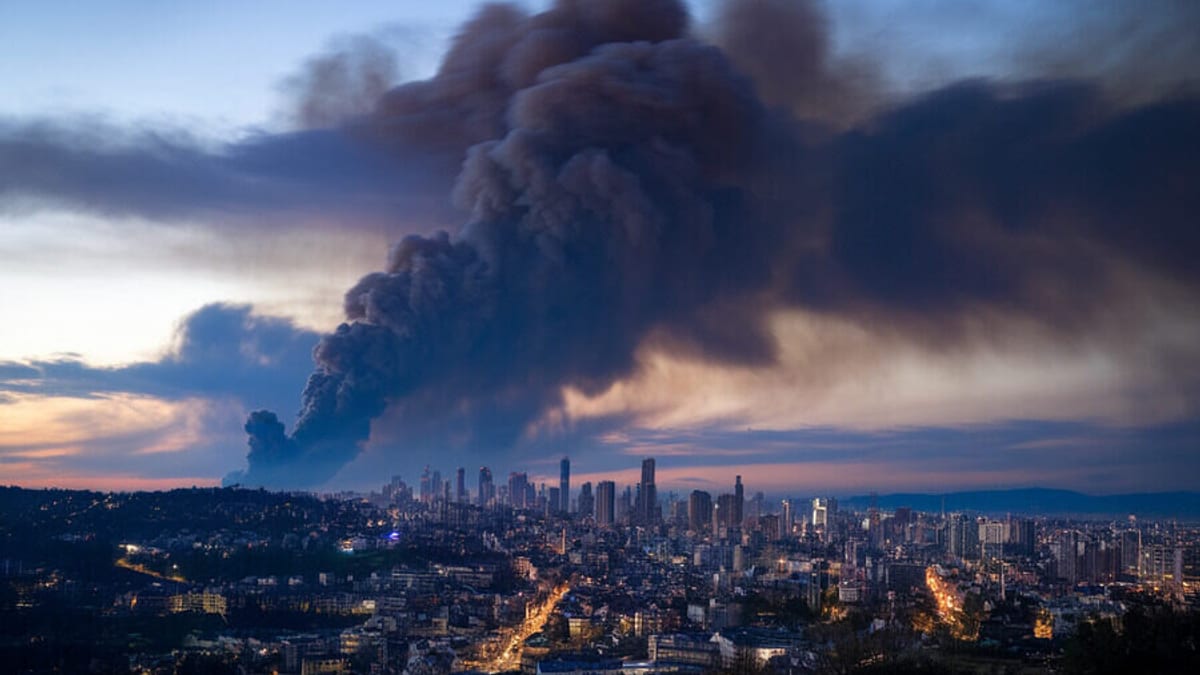
Image by Global Travel Alerts, Advisories, International Travel Alerts
Middle East Conflict Ripples Across the Global Route Map
Publicly available information shows that the escalation of the Iran war and subsequent missile strikes on Qatar have forced a near standstill at Doha’s Hamad International Airport, a key global hub. With Qatari airspace heavily restricted since late February 2026 and only limited emergency corridors in use, scheduled commercial operations remain severely constrained. Qatar Airways, which built its network around high-frequency connections through Doha, has seen the majority of its schedule canceled, affecting hundreds of thousands of passengers worldwide.
The airline’s decision to suspend or sharply reduce services to multiple long-haul destinations reflects both safety concerns and the operational realities of a hub that cannot function at normal capacity. While some carriers have managed partial rerouting around the conflict zone, the geography of Qatar’s network makes such workarounds far more complex. As a result, entire city pairs that depend on Doha as a bridge between Europe and Asia are suddenly without service.
Industry data cited in recent aviation analysis indicates that Qatar Airways has canceled close to nine out of ten flights originally scheduled between February 28 and March 24. That scale of disruption at a single hub sends shockwaves far beyond the Gulf, effectively removing a major portion of global connecting capacity just as spring travel demand begins to climb.
These cancellations come on top of earlier suspensions and rerouting by other Middle Eastern and international airlines, turning what began as a regional safety crisis into a structural challenge for long-haul travel across several continents. Travelers who previously relied on the Gulf as the fastest path between Europe and Asia now face lengthier, more expensive, and less predictable journeys.
Japan and Europe Feel the Loss of Doha Connections
Japan is among the hardest-hit Asian markets as Qatar Airways pares back its long-haul flying. Tokyo’s Haneda and Narita airports previously functioned as important endpoints in the carrier’s Asia network, funnelling passengers onward across the region on partner and interline services. With Doha-based operations largely halted, those flows have abruptly dried up, reducing options for travelers connecting between Japan and Europe, Africa, or the Middle East.
On the European side, the impact is widely distributed. Routes to Warsaw, Moscow, and Birmingham have been curtailed alongside other services into Germany, Denmark, Ireland, and Poland, according to recent schedule data and media coverage. Many of these airports relied on Qatar Airways to provide a one-stop link to destinations that could not sustain nonstop flights, such as secondary cities in Southeast Asia or Africa, and now face a sudden connectivity gap.
At major European hubs, the loss of Doha feed compounds existing pressures. Airlines in the United Kingdom and Germany were already contending with tighter routings resulting from earlier restrictions on Russian and now Middle Eastern airspace. The withdrawal of a large Gulf carrier from the market removes a key outlet for overcapacity and reduces the ability of the wider system to absorb shocks caused by weather, strikes, or technical delays.
For travelers in smaller markets like Denmark, Ireland, and regional cities across Poland, the disruption has a disproportionate effect. With limited long-haul services of their own, these countries had leaned on the Gulf super-connectors to plug into the global network. The practical outcome is fewer available seats, stretched connection times, and a greater reliance on indirect routings through northern European or Mediterranean hubs.
Knock-On Effects: Longer Journeys, Higher Fares, Limited Alternatives
The grounding of such a large slice of Qatar Airways’ schedule is rapidly reshaping the economics of long-haul travel. Reports from fare-tracking and booking platforms indicate that prices on many Europe–Asia and trans-Middle East routes have climbed as capacity disappears and remaining carriers adjust yields to balance demand. Economy passengers are seeing higher base fares and fewer promotional seats, while premium cabins are filling earlier on popular dates.
Journeys that once involved a simple Doha connection are now routing through alternative hubs in Europe, East Asia, or North Africa. Recent coverage highlights how airports such as Cairo and certain Gulf-adjacent gateways are emerging as crucial bridges between continents as airlines redesign their networks around closed or restricted airspace. However, these alternatives often require longer flying times, additional stops, or overnight layovers, significantly changing the travel experience.
Schedule reliability is another casualty. With multiple states restricting overflight and flight paths shifting to avoid conflict zones, block times are being padded and departure slots are harder to secure. Even airlines that continue to operate full schedules on paper are announcing frequent last-minute adjustments, leaving passengers facing rebookings, missed connections, and unplanned stopovers far from their intended routes.
Travel companies and insurers are also recalibrating their policies. Many trip planners now emphasize flexibility, encouraging tickets that allow changes without heavy penalties and steering customers toward routes seen as less exposed to sudden airspace closures. For long-haul corporate travel, risk assessments increasingly incorporate geopolitical factors, not just cost and duration, placing additional scrutiny on journeys that would previously have transited the Gulf.
Airlines and Governments Weigh Safety, Economics, and Diplomacy
Airline responses to the conflict-driven disruptions highlight the balance between safety obligations and economic survival. European and Asian carriers that once depended on overflight rights across Russia and the Middle East are now comparing the risks and costs of various detours, while Gulf airlines face the unique challenge of operating from within the conflict’s immediate neighborhood. Public statements and schedule changes show an industry carefully parsing guidance from aviation regulators while trying to maintain at least a skeleton network.
Government decisions on airspace access have become a key driver of airline strategy. The closure or severe restriction of skies over Qatar and several neighboring states has, in effect, redrawn the world’s primary long-haul corridors. Analysts note that this shift recalls past crises when political events, such as the closure of Russian airspace to certain carriers, forced wholesale redesigns of Europe–Asia routes, with consequences that lasted well beyond the initial trigger.
For countries like the United Kingdom, Germany, Ireland, Denmark, Poland, Russia, and Japan, these developments intertwine transportation policy with broader diplomatic calculations. Choices about whether and how to facilitate alternative routing, grant additional slots to non-local carriers, or provide financial support to national airlines all carry both economic and geopolitical weight in a tense international environment.
As the conflict continues without a clear end date, industry observers suggest that temporary measures could harden into a new normal. If Qatari airspace remains constrained and Qatar Airways cannot restore its pre-crisis network, the competitive balance among major long-haul carriers may shift, reshaping which hubs dominate traffic between Europe, Asia, and Africa for years to come.
What Travelers Can Do Amid Ongoing Uncertainty
For individual travelers in affected countries, the sudden loss of Qatar Airways services to cities such as Tokyo, Warsaw, Moscow, Birmingham, and other key destinations adds another layer of uncertainty to international trip planning. Consumer advocates and travel publications now emphasize the importance of monitoring airline advisories and booking channels closely, as schedules that appear available weeks in advance may still be vulnerable to late changes.
Flexible tickets and robust travel insurance have become more than optional extras. Policies that allow free date or route changes, as well as coverage for missed connections and unexpected hotel costs, can mitigate some of the financial impact when flights are canceled or rerouted at short notice. Travelers are also being urged to build longer connection windows into complex itineraries, especially when switching between carriers or alliances.
Experts in the sector caution that capacity constraints may persist even if some elements of the conflict ease. Rebuilding a global hub operation on the scale of Doha requires not just open airspace but also aircraft availability, crew positioning, and renewed confidence from passengers and corporate clients. Until those pieces are firmly back in place, travelers in the United Kingdom, Denmark, Russia, Germany, Ireland, Poland, Japan, and beyond may need to adjust expectations about how quickly and cheaply they can move between continents.
In the meantime, the shifting route map is prompting some travelers to consider alternative destinations reachable via more stable corridors. Tourism boards and airlines outside the conflict zone are already positioning themselves to capture this redirected demand, underscoring how a localized security crisis in the Middle East can reverberate through the broader global tourism economy.