

More news on this day
Qatar Airways passengers across the Gulf are facing a turbulent travel season as ongoing regional conflict triggers large-scale flight cancellations, restricted airspace and lengthening refund timelines across Qatar, Bahrain, the United Arab Emirates and Jordan.
Get the latest news straight to your inbox!
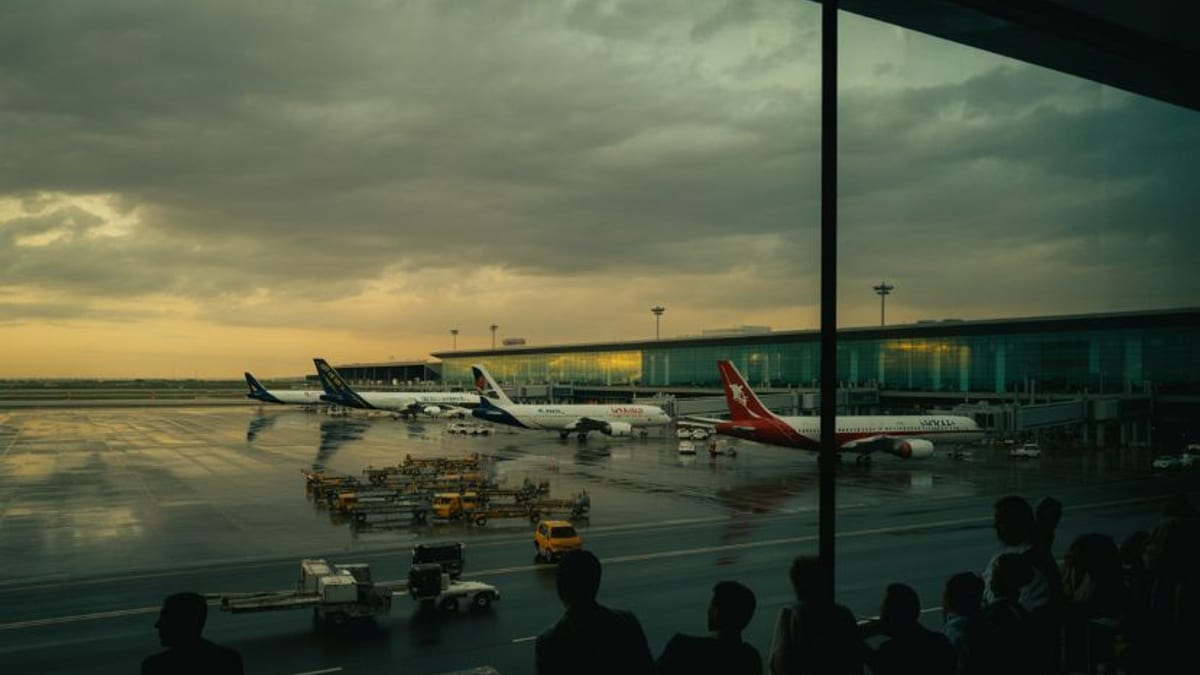
Image by Travel And Tour World
Regional Conflict Triggers Widespread Airspace Closures
The latest phase of conflict involving Iran, Israel, the United States and Gulf allies has rapidly translated into aviation disruption across the Middle East and North Africa. Publicly available information shows that from late February 2026, missiles and drones targeting military and energy infrastructure prompted rapid airspace shutdowns in multiple states, including Qatar, Bahrain, the UAE and Jordan.
Reports indicate that Qatar temporarily closed its airspace following strikes and interception activity around Doha, leading to an abrupt halt to most commercial operations at Hamad International Airport. Only limited emergency, evacuation and cargo movements have been permitted at various points, leaving regular passenger services suspended or heavily curtailed.
Similar measures in Bahrain, the UAE and Jordan have further complicated the regional network. Airspace and airport closures around Manama, Dubai, Abu Dhabi and Amman have reduced options for rerouting, forcing airlines to cancel or consolidate services rather than simply shifting flights to neighboring hubs.
Industry analyses suggest that thousands of flights across the wider region have been canceled or significantly delayed since the conflict escalated. With major Gulf hubs typically acting as connectors between Europe, Asia, Africa and Australasia, the operational shock has had global ripple effects on long-haul itineraries.
How Qatar Airways Operations Are Being Affected
Qatar Airways, one of the largest transit carriers in the region, has been particularly exposed to the sudden airspace restrictions. Travel updates and passenger communications referenced in public forums show that many flights to and from Doha have been canceled outright, while others have been converted into limited “relief” services designed primarily to repatriate stranded travelers.
Routes touching countries with fully or partially closed airspace, including Bahrain, parts of the UAE and Jordan, have seen the most disruption. Passengers report last-minute cancellations, schedule changes just days before departure and complex rerouting via alternative hubs where safe and legally permissible routing is still available.
The airline’s regular hub-and-spoke model, which relies on tight transfer windows in Doha, has been difficult to maintain amid rolling restrictions. Many transit passengers have seen their multi-leg journeys break down when one critical sector is removed from the schedule, leading to missed onward connections or enforced stopovers while they await new itineraries.
Available operational guidance suggests that Qatar Airways has attempted to restart a small number of services on certain days where airspace is partially reopened. However, these limited flights are often fully booked by displaced passengers from earlier cancellations, leaving travelers with near-term departures uncertain about whether they will actually fly.
Refund Policies Extended, But Processing Times Stretch Out
In response to the conflict-related disruption, Qatar Airways has introduced and repeatedly updated a series of special refund and rebooking policies. Current publicly available guidance indicates that passengers with confirmed bookings during key disruption periods beginning on 28 February 2026 may be eligible for full refunds of the unused portion of their tickets or complimentary date changes.
Initially, refund windows were tied to narrower travel dates in early March, but subsequent updates appear to have extended eligibility further into the spring and early summer as the conflict and airspace restrictions persisted. Some recent communications referenced in online discussions refer to options for travel credits or free date changes into the latter half of 2026 on Qatar Airways-operated services.
Despite these concessions, many travelers report that refund processing has become noticeably slower. High volumes of requests, reduced staffing in some back-office functions and the need to coordinate with third-party travel agents and online booking platforms have all contributed to longer wait times. Some passengers describe waiting weeks for confirmation that their refund has been approved or for funds to appear back on their payment method.
Where tickets were purchased through travel agencies or online intermediaries, the process can be even more protracted. In these cases, Qatar Airways typically settles with the intermediary, which then handles the final refund to the customer, adding an additional step and potential delay to the overall timeline.
Different Rules for Tickets, Routes and Booking Channels
Not all Qatar Airways customers are seeing the same options. Public policy summaries show that eligibility for refunds or free changes often depends on specific travel dates, whether a flight was canceled by the airline, and whether the ticket was issued directly by Qatar Airways or via an intermediary.
Travelers holding fully unused tickets on flights that were canceled due to airspace closures are typically entitled to a refund or no-fee rebooking. However, passengers whose flights technically still operate, but who no longer wish to travel because of security concerns, may find that they are offered date changes or credits rather than immediate cash refunds, especially outside the formally announced waiver periods.
There is also variation between point-to-point and connecting itineraries. A passenger traveling from Europe to Doha and onward to a third country may have different rebooking options compared with someone flying only between two Gulf cities. Complex itineraries involving codeshares with partner airlines introduce additional layers of rules, which can make it harder for travelers to understand exactly what they are owed.
Passenger accounts shared on public forums highlight the importance of checking the original ticket conditions and the most recent iteration of Qatar Airways’ disruption policy. In some cases, customers have been informed that their booking became eligible for more flexible solutions only after the airline updated its policy to cover a later travel date or a broader geography.
What Travelers Through Qatar, Bahrain, UAE and Jordan Should Expect Now
For passengers with upcoming trips involving Qatar, Bahrain, the UAE or Jordan, the situation remains fluid. Airspace restrictions can change with little notice, and operational priorities may shift toward evacuation or relief flights when the security picture deteriorates. As a result, even flights that appear confirmed can be altered or canceled closer to departure.
Travel advisories and aviation experts consistently emphasize the need for contingency planning. Travelers are encouraged, in publicly available guidance, to build in extra time for connections, consider alternative routings that avoid the most volatile corridors, and remain prepared for schedule changes, overnight delays or extended stopovers.
Those already affected by cancellations should be prepared for longer waits on customer service channels and for refund processing. Many passengers are turning to online self-service tools to request refunds or change dates, as these channels are often described as more efficient than phone lines during peak disruption periods.
As the conflict and associated airspace closures continue, Qatar Airways’ policies and operations are likely to keep evolving. Travelers planning to transit the Gulf in the coming weeks and months may benefit from monitoring updates from the carrier, reviewing their rights under applicable air passenger regulations and considering flexible booking options until the regional aviation network stabilizes.