

More news on this day
Qatar has introduced a one-month automatic extension on all types of entry visas, offering critical breathing room to visitors and residents stranded in the country as regional airspace closures and flight suspensions upend travel plans across the Gulf.
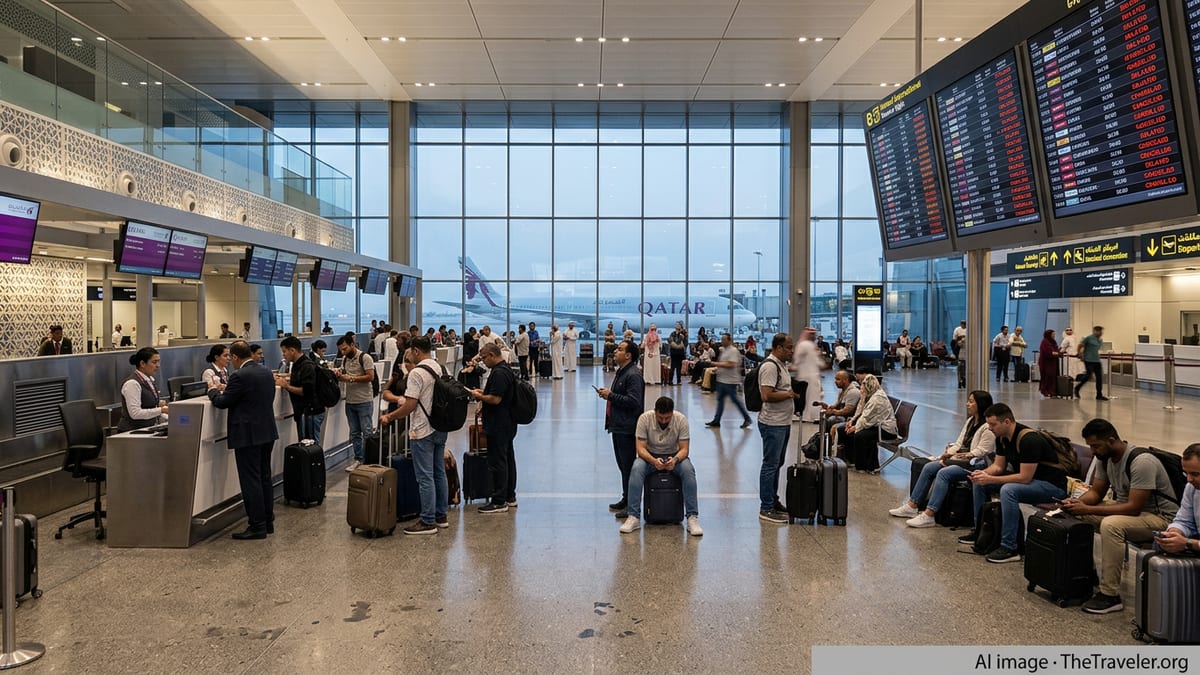
What Qatar’s One-Month Visa Extension Covers
The Ministry of Interior confirmed that all categories of entry visas that have expired or are approaching expiry will be extended by 30 days. The policy took effect from 28 February 2026 and is being applied across the board to tourists, business visitors and those on short-term entry permits who are unable to leave the country as scheduled.
Officials stressed that the extension is being processed automatically through the state’s electronic systems. Eligible visitors do not need to visit immigration offices, submit fresh paperwork or pay additional fees. The Interior Ministry described the measure as a temporary response to an “evolving situation” affecting normal air travel and border operations.
The move is intended to ensure that no visitor or resident on an entry permit falls into an irregular overstay status solely because flights have been cancelled or rerouted. It effectively pauses the visa clock for thousands of people who have seen itineraries thrown into doubt over the past several days.
Authorities have not specified how long the automatic renewal policy will remain in force, but they indicated that it will be reviewed in line with developments affecting Qatari airspace and airport operations.
Airspace Closures and Flight Suspensions Driving the Policy
The visa extension comes as Qatar’s aviation sector faces widespread disruption triggered by regional tensions. Qatari airspace has been temporarily closed, prompting Qatar Airways to suspend regular passenger operations and forcing other international carriers to cancel or reroute services across the Gulf.
Airlines and travel agents reported cascading delays and last-minute cancellations over the weekend, with transit passengers stranded mid-journey and origin-destination travelers unable to depart Doha. Some regional airports have been operating reduced schedules or diverting traffic as carriers seek alternative flight paths around restricted zones.
The shock to the network has been felt well beyond Qatar, with airports in South Asia, Europe and the wider Middle East recording increased disruption linked to Gulf-bound flights. By extending visas at home, Qatari authorities are attempting to mitigate one of the most immediate consequences for visitors: the risk of overstaying their legal permission to remain in the country while waiting for a route out.
The decision mirrors a wider pattern of emergency hospitality measures emerging across the region. Tourism and civil aviation agencies in neighbouring states have similarly directed hotels to support stranded guests and pledged to absorb some of the extra costs associated with prolonged stays.
How Visitors and Residents Can Check Their Status
Although the one-month extension is being applied automatically, officials are advising visitors and residents on entry permits to verify their updated status using official digital channels. Qatar’s e-government platforms and visa inquiry services are expected to reflect the new validity dates without the need for fresh applications.
Travel advisers recommend that foreign nationals keep a digital or printed copy of their original visa, along with any updated confirmation showing the new expiry date once systems are refreshed. This documentation may be requested at hotels, airports or by employers, particularly if travel plans continue to shift.
Legal specialists in Doha note that the extension is designed to prevent inadvertent immigration violations, but it does not in itself guarantee outbound travel on a specific date. Passengers are being urged to remain in close contact with their airlines or booking agents, monitor flight status updates and avoid making non-refundable onward bookings until routes stabilise.
Residents who are currently outside Qatar on entry permits are advised to monitor official announcements before attempting to return, as airspace restrictions and timetable changes may affect who can enter and under what conditions in the coming days.
Guidance on Accommodation, Costs and Daily Life
Alongside the visa extension, Qatar’s tourism authorities have instructed hotels and other accommodation providers to extend the stays of guests whose departures have been delayed since 28 February. In many cases, the government has pledged to cover additional room costs for travellers directly impacted by the airspace closures, signalling a coordinated effort to ensure that no visitor is left without shelter.
Hotels have been told to work closely with guests, airlines and tour operators to adjust reservations, often on a day-by-day basis as fresh flight information becomes available. Front desk teams in Doha report that they are prioritising stranded transit passengers, families and those with limited financial flexibility when reallocating rooms and negotiating extended stays.
Authorities have also reiterated existing public safety guidance, encouraging people to limit non-essential movement, stay informed through official channels and follow any security instructions issued as the situation evolves. Government departments have extended remote working provisions for most public sector employees, helping to reduce congestion and keep essential services running while residents and visitors wait for clearer travel timelines.
Supermarkets, pharmacies and other essential retailers continue to operate, and there have been no official indications of shortages affecting day-to-day life in Doha. Nevertheless, travellers are being encouraged to budget for a potentially longer stay and to keep receipts and documentation that may be required later for insurance or reimbursement claims.
What Travellers Should Do Next
For those currently in Qatar, the Interior Ministry’s message is that visa status should be the least of their immediate concerns. With a free, automatic 30-day extension now in place, visitors have a legal buffer that allows them to focus on rebooking flights, adjusting accommodations and staying in touch with family and employers.
Travel experts advise checking with airlines before heading to Hamad International Airport, as many carriers are prioritising passengers with original departure dates closest to the current disruption and may have strict rules about no-show status and ticket revalidation. Passengers should also review the terms of their travel insurance policies, as some providers treat government-imposed airspace closures differently from standard weather delays.
Prospective visitors with upcoming trips to Qatar are being urged to track official advisories from their home governments and any new statements from Qatari authorities. While the visa extension policy currently focuses on those already in the country or holding active entry permits, further adjustments to issuance rules or arrival procedures cannot be ruled out if regional tensions persist.
For now, the one-month extension signals a clear intention by Qatar to shield visitors and residents from the most immediate legal and financial consequences of an unpredictable travel environment, buying time for both passengers and authorities as they navigate a fast-moving situation.