

More news on this day
China’s travel sector is gearing up for one of its busiest early spring seasons in years, as the 2026 Qingming Festival and overlapping school breaks fuel a nationwide wave of short holidays, blossom viewing trips and culture-focused city getaways.
Get the latest news straight to your inbox!
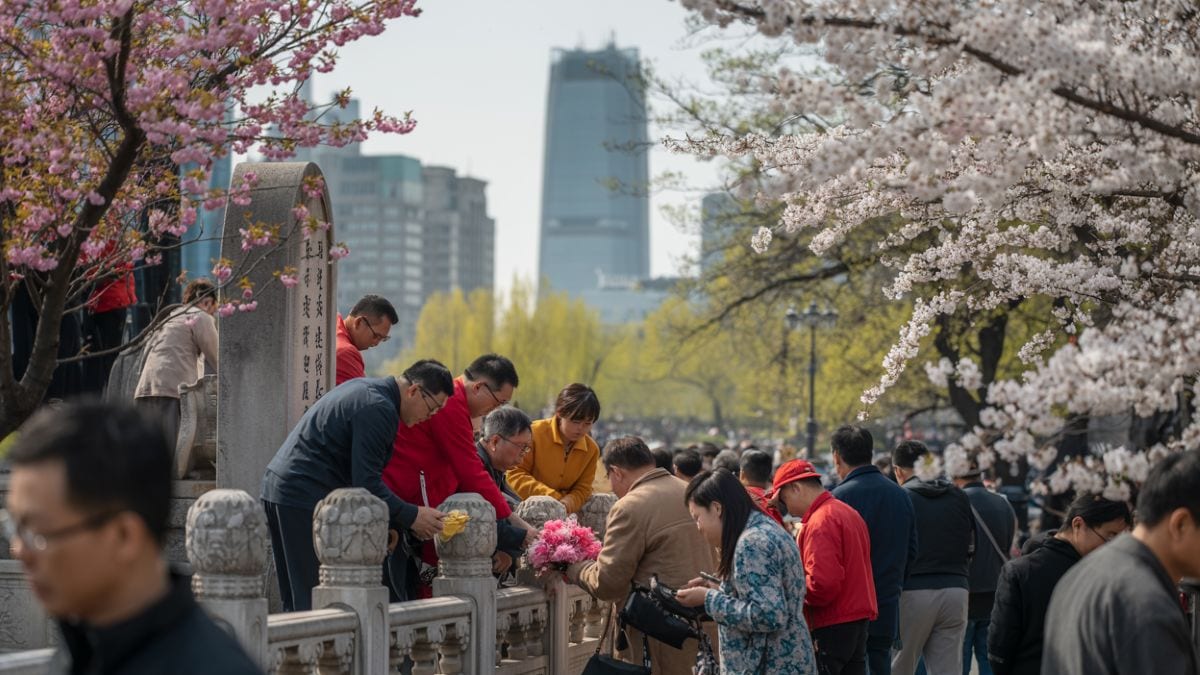
Image by Travel And Tour World
Qingming 2026: Key Dates and Travel Dynamics
In 2026, the Qingming Festival falls on Saturday, April 4, with the official public holiday running from April 4 to April 6. Calendars and public notices indicate a three day nationwide break, giving many residents the opportunity to combine the long weekend with flexible leave or school spring holidays for extended trips.
Qingming, also known as Tomb Sweeping Day, traditionally focuses on family visits to ancestral graves and local outings. Travel patterns in recent years show that the festival has evolved into one of China’s core spring tourism peaks, alongside Spring Festival and the May Day holiday, but with a particular emphasis on short haul trips and day excursions in and around major cities.
Online travel forums and booking platforms suggest that for 2026, demand is concentrated in the first full week of April, especially April 3 to 6, when residents in cities such as Beijing, Shanghai, Chengdu and Guangzhou are likely to leave urban centers for nearby flower fields, historic towns and scenic mountains. The result is a pronounced but tightly concentrated travel surge that affects highways, rail corridors and popular attractions over just a few days.
Compared with the mass, weeks long Spring Festival migration, the Qingming peak is shorter but highly directional: travelers tend to head from large metropolitan areas toward suburban parks, countryside homestays and nearby provincial destinations, creating sharp spikes in hotel occupancy and ticket sales across select scenic clusters.
Lessons From Recent Qingming Seasons
Official data and media coverage from recent years provide a clear benchmark for what 2026 may bring. During the three day Qingming holiday in 2025, China recorded about 126 million domestic trips, a year on year increase of just over 6 percent. Tourism revenue for the same period reached roughly 57.5 billion yuan, also up around 7 percent, reflecting steady growth in short break spending.
Reports on the 2025 holiday highlight a strong recovery in offline consumption, with restaurants, shopping streets, cultural venues and night markets seeing significant increases in footfall. Data from major online travel agencies indicated that searches for blossom themed destinations more than doubled compared with the previous year, underscoring how flower viewing has become a core driver of Qingming travel decisions.
Earlier seasons show a similar pattern of acceleration. Coverage of the 2023 and 2024 Qingming holidays pointed to double digit growth in domestic trips as pent up demand met expanding high speed rail capacity and a broader range of homestay and boutique lodging options. These trends suggest that, barring unexpected disruptions, 2026 is poised to continue the trajectory of moderate but sustained volume and spending growth during the festival.
Industry analysts note that while per trip spending during short holidays remains lower than during weeklong breaks, travelers are increasingly channeling budgets into experiences rather than distance. This means higher demand for premium scenic area tickets, immersive cultural exhibitions, rural guesthouses and upgraded dining, rather than long haul flights.
Top Destinations: Blossoms, Culture and Short Breaks
Destination rankings from recent Qingming holidays point to a consistent mix of megacities, classic cultural hubs and photogenic rural counties as the main winners. Beijing and Shanghai stay busy as both gateways and city break destinations, with flagship parks and riverfront promenades drawing residents and visitors in search of cherry blossoms and spring temperatures.
In northern China, Beijing’s Yuyuantan Park and other lakeside green spaces have emerged as emblematic Qingming spots, with images of dense cherry blossom canopies circulating widely on social media. To the east, Jiangsu and Zhejiang provinces benefit from rail proximity to Shanghai, with Suzhou’s classical gardens, Hangzhou’s West Lake and canal towns such as Wuzhen and Zhouzhuang attracting weekend crowds.
Further south, destinations renowned for rapeseed flower fields and terraced landscapes are again in the spotlight. Wuyuan in Jiangxi province, for example, has been forecast in past seasons to receive more than five million visits over the broader spring flower period, generating tourism income measured in billions of yuan. Rural villages in Guangxi and Guizhou, including ethnic minority settlements and rice terrace regions, are also seeing stronger interest from domestic travelers seeking slower paced, photography friendly stays.
For urban travelers opting not to leave the big cities, cultural consumption is filling the gap. Museums, national level art venues and historical sites are using the Qingming window to stage themed exhibitions, extended opening hours and interactive workshops. Public information from 2024 and 2025 shows that these initiatives have helped pull more visitors into downtown cultural districts, especially in Beijing, Shanghai, Xi’an and Nanjing.
Spring Festival Momentum Sets the Stage
The tourism surge expected around Qingming in April 2026 is unfolding against the backdrop of a powerful Spring Festival season just weeks earlier. According to widely reported figures, the 2026 Lunar New Year holiday produced around 596 million domestic trips, with tourism spending reaching approximately 803.5 billion yuan, a record in value terms.
Analysts tracking the sector point out that the nine day 2026 Spring Festival break, longer than in many previous years, gave residents more time to undertake long distance family and leisure trips. While average spending per journey edged slightly lower, the sheer increase in volume solidified tourism’s role as a key pillar for China’s domestic demand strategy.
Transport authorities and research institutes also highlighted unprecedented cross regional mobility during the broader Spring Festival travel rush, which spans several weeks beyond the core holiday. Forecasts before the season pointed to billions of passenger journeys across rail, road and air, signaling renewed confidence in domestic travel and laying a foundation for strong follow on performance during subsequent holidays.
This momentum is especially important for destinations that can reposition quickly from winter and New Year themes to spring landscapes. Scenic areas that were busy with snow tourism, lantern festivals or temple fairs in February are now switching marketing campaigns toward green mountains, flower fields and hiking routes to capture the Qingming and school break crowd.
Economic Impact and What Travelers Should Expect
Economists and industry observers view the combined effect of Qingming and spring break as an important early year test for China’s consumer economy. With households still balancing cautious spending and a desire for leisure, the performance of April’s short holiday will offer further clues about the durability of the services led recovery seen over the past two Spring Festival seasons.
Based on recent growth rates and expanding capacity, many domestic research notes project that 2026 Qingming trips could edge beyond the 2025 baseline of 126 million, with spending registering a similar mid single digit increase. Even modest gains translate into tens of billions of yuan in revenue for transport operators, hotels, restaurants, attractions and small businesses in rural tourism belts.
For travelers, the expected surge means fuller trains and flights on peak days and tighter availability at the most sought after scenic spots. Publicly available guidance from travel platforms and local tourism bureaus emphasizes booking high speed rail tickets and popular scenic area entries well in advance, especially for April 4 and 5, and considering shoulder days on either side of the official break to avoid the heaviest crowds.
At the same time, the steady rollout of digital ticketing, timed entry systems and crowd management tools since 2023 is helping major attractions smooth visitor flows. Combined with a broader spread of demand into lesser known counties and rural homestays, this is expected to support both a more comfortable experience for travelers and a more balanced distribution of Qingming and spring break tourism income across China’s regions.