

More news on this day
With its cobblestone streets, fortified walls and French-language cafés, Quebec City delivers a striking dose of European ambiance just a short flight or road trip from much of North America, increasingly positioning itself as a convenient, jet-lag-free family getaway.
Get the latest news straight to your inbox!
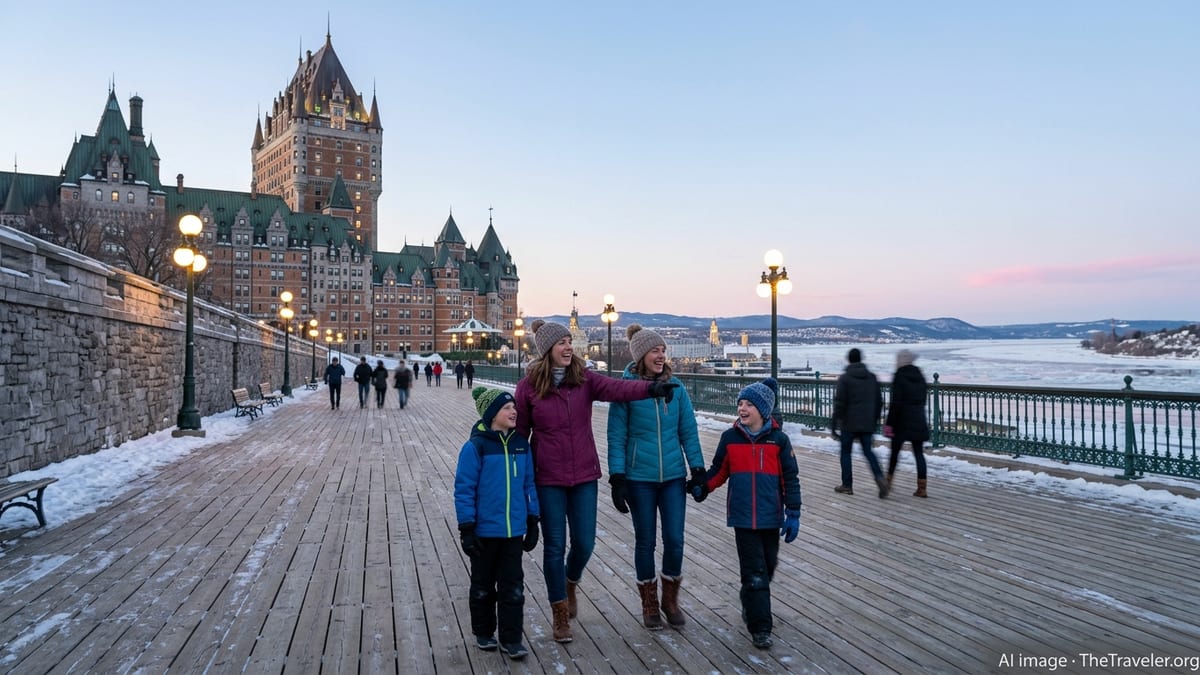
European Atmosphere Within Easy Reach of U.S. Families
Travel industry coverage increasingly highlights Quebec City’s unusual combination of old-world architecture and straightforward access for North American families. The compact historic core of Old Quebec, a UNESCO World Heritage site, concentrates centuries-old stone buildings, plazas and church spires into a walkable district that feels closer to a small French city than a typical regional capital. For parents looking to introduce children to European-style streetscapes without an overnight transatlantic flight, the city’s mix of French signage, lively squares and open-air cafés offers a practical alternative.
Publicly available tourism information shows that Quebec City Jean Lesage International Airport is steadily expanding direct connections to major U.S. hubs, including regular non-stop service from cities such as Newark and seasonal links from Philadelphia and Chicago. Flight times of roughly two to three hours from much of the U.S. Northeast and Midwest mean families can often arrive, check in and be exploring the Old Port or Upper Town by afternoon, without navigating time-zone fatigue. For many visitors from the United States, the one-hour time difference and relatively quick journey make weekend or short school-break trips feasible.
Reports also indicate a growing emphasis on walkability and transit access from key visitor districts. Many family-oriented hotels and rentals sit within or near the historic walls, placing major attractions within a short stroll or bus ride. That layout allows parents to build flexible days with frequent stops for snacks, warm-up breaks in winter and playground visits, while still soaking in the European-flavored streets and river views that set Quebec City apart from other North American destinations.
Travel guides note that the bilingual environment further lowers the barrier for families who may be new to international travel. While French dominates signage and daily life, English is widely understood in tourism-facing businesses, reducing stress around logistics while still giving children a tangible sense of being in a different culture. This combination of familiarity and difference is underpinning Quebec City’s emergence as an approachable first “international” trip for families with younger children.
Four-Season Family Playground From Toboggan Runs to Waterfalls
Quebec City’s tourism strategy leans heavily on the region’s status as an outdoor playground, with seasonal offerings that encourage active family itineraries. In winter, reports describe the Plains of Abraham and other central green spaces transforming into accessible snow parks, with tubing lanes, small slides and snow sculptures within minutes of downtown hotels. The historic toboggan slide on the Dufferin Terrace, perched above the St. Lawrence River, remains a signature family experience, pairing short adrenaline bursts with sweeping views of the ice-dotted waterway.
Beyond the city walls, Montmorency Falls Park offers year-round family appeal. Published coverage points to the easy access from central Quebec City and a network of viewpoints, walking paths and a suspension bridge that let children safely observe the 83-meter waterfall, which is taller than Niagara Falls. In winter, the spray freezes into a towering natural ice cone at the base, creating a dramatic natural landmark that has become a staple of family photo stops. In warmer months, picnic areas and trails encourage slower-paced exploration.
Spring and autumn bring a different character, as parks, riverside promenades and nearby forests shift from snowfields to flowered lawns and then to fall foliage. Travel writers highlight the city’s green spaces, including the linear park along the St. Charles River and the wider Plains of Abraham, as low-cost outlets for families to balance museum visits with playground time and open-air games. Bike rentals, stroller-friendly paths and frequent rest stops make it easier to keep multi-generational groups comfortable across the seasons.
Warmer months also expand options for river-focused activities. Sightseeing cruises, ferries across the St. Lawrence to Lévis and shoreline walks offer children close-up views of passing ships and long perspectives on the skyline’s church towers and ramparts. These varied outdoor experiences, layered across the calendar, help reinforce Quebec City’s positioning as a destination that can absorb repeat visits at different times of year.
Signature Events Turn Winter Into a Family-Focused Festival Season
Far from treating winter as a travel deterrent, Quebec City has built a global profile around its cold-weather festivals, many of them tailored to families. According to tourism organizations, the Quebec Winter Carnival remains the marquee event, drawing visitors in early February with a program that includes snow and ice slides, outdoor games, musical performances and illuminated night parades. Recent guides to the 2026 edition emphasize expanded interactive zones, climbing structures, ball pits and dedicated family areas designed to keep children engaged outdoors despite sub-freezing temperatures.
Coverage of recent carnivals describes much of the city center turning into a temporary winter theme park. Sections of the Plains of Abraham host large-scale snow sculptures and activity zones, while sites around Old Quebec and neighboring districts feature smaller installations and pop-up snack stands serving maple taffy on snow and classic Quebec comfort foods. The atmosphere blends street-party energy with an emphasis on safety and family accessibility, supported by shuttle services linking key festival sites with central squares.
Winter is not the only season marked by major events. Throughout the year, Quebec City’s calendar remains dense with cultural festivals, from summer music events and historical reenactments to food-focused gatherings that introduce local producers and regional specialties. Many of these programs incorporate children’s activities, science demonstrations or performance workshops, reflecting a broader regional push to keep major festivals accessible to visitors of all ages. For families planning around school breaks, the result is a wide choice of travel windows anchored to specific, activity-rich events.
Observers note that this programming strategy helps mitigate traditional low seasons and supports a sense of continuity for returning families. A household that first visits during Winter Carnival may be encouraged to return for summer concerts on the Plains of Abraham or harvest-themed events in surrounding countryside, reinforcing the idea of Quebec City as a recurring family base rather than a one-time trip.
Logistics, Comfort and North American Convenience
While Quebec City leans heavily on European-style charm in its marketing, the on-the-ground logistics remain firmly North American, a combination that is increasingly emphasized in family travel coverage. Accommodation ranges from grand historic hotels to contemporary suites with kitchenettes and larger rooms that suit parents with young children. Many properties provide family packages, including breakfast, parking or bundled attraction admissions, simplifying budgeting for multi-day stays.
Transportation infrastructure also supports low-friction travel. Public information indicates that frequent bus services connect the airport with downtown, and local transit covers major visitor corridors, though many itineraries can be managed largely on foot. For families arriving by car from the northeastern United States or other parts of Canada, highway connections are straightforward, and parking facilities at hotels and public garages are widely available. This ease of arrival and movement stands in contrast to the more complex transfers often required for European city breaks.
Food has become another key selling point. Recent travel guides describe a dining scene that balances classic Quebec dishes with international flavors, while increasingly highlighting children’s menus and flexible, walk-in friendly options. Casual bistros, creperies and bakeries around Old Quebec provide quick, relatively affordable meals that still feel distinct from everyday fare back home, helping parents keep schedules on track without resorting exclusively to global fast-food chains.
Language and currency differences remain manageable for most North American visitors. Card payments are widely accepted, and contactless transactions are common, limiting the need for large amounts of cash. While prices can feel comparable to other major Canadian cities, the ability to combine free public spaces, low-cost transit and select paid attractions allows families to calibrate spending according to their priorities. Together, these practical advantages underpin Quebec City’s emerging reputation as a destination where families can access a European-feeling environment with the convenience and predictability of a North American trip.
A Growing Profile in the Family Travel Landscape
As travel demand rebounds and families look for experiences beyond domestic beach resorts, Quebec City is attracting renewed attention from travel media and tour operators. Industry reports highlight the region as a case study in turning climate and heritage into assets: long winters reframed as playful, festival-filled seasons and centuries-old fortifications repurposed as open-air classrooms for history-curious children. The city’s mix of structured events and unprogrammed spaces offers flexibility to families who prefer to combine ticketed highlights with spontaneous wandering.
Tourism development documents for recent years emphasize continued investment in attractions, waterfront access and winter programming, often with explicit references to family markets. This includes efforts to diversify activities beyond the central core, encouraging visitors to explore nearby ski areas, regional parks and cultural sites that can be reached on short day trips. Such moves aim to spread economic benefits while also giving returning families new experiences within the same broader destination.
For many North American households, the combination of short travel times, limited time-zone changes and rich cultural contrast is proving especially appealing at a moment when long-haul family travel can feel logistically daunting. With direct flights from key U.S. cities, driveable access from New England and Ontario and a calendar filled with kid-friendly events, Quebec City is increasingly framed as a practical stepping stone between familiar North American comforts and the allure of Europe.
As the next cycle of winter carnivals, summer festivals and shoulder-season events approaches, observers expect Quebec City’s profile as an ultimate family getaway to grow further. If current trends continue, the city seems poised to hold a distinctive spot on the North American travel map: a place where families can wander cobbled streets, watch ice canoes race along a frozen river or play in leafy parks, all without ever crossing an ocean or adjusting to a new time zone.