

More news on this day
Ramble Worldwide is sharpening its focus on time-poor but adventure-hungry travellers with a growing portfolio of high-altitude weekend escapes across the Alps, packaging demanding grade 6 to 8 routes into compact, three and four day itineraries.
Get the latest news straight to your inbox!
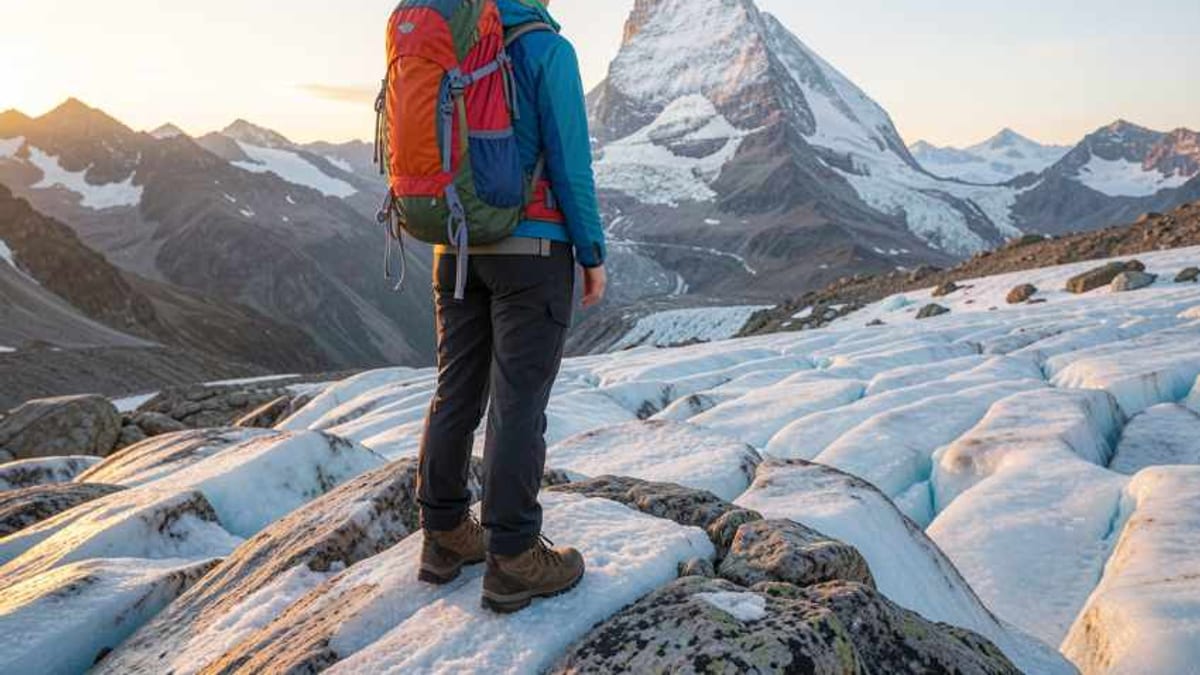
Image by Travel and Tour World – Tourism, Airline, Destination, MICE, Gobal Travel Market, Hotel news that you will find only over here.
Weekend Adventures Go Vertical Across the Alps
Recent programme updates and trade coverage indicate that Ramble Worldwide is expanding its short-break portfolio in the Alps, building on the operator’s established Weekend Adventure Breaks format. The model is simple but pointed at a clear niche: travellers with limited annual leave who still want the exertion, exposure and summit-style views usually reserved for longer treks.
The latest line up showcases concentrated itineraries in classic alpine settings, with weekends built around high-altitude routes, hut access and big daily ascents rather than gentle valley rambles. Ramble Worldwide’s online information describes the Weekend Adventure collection as featuring some of its most demanding grades, and industry reports highlight itineraries that are explicitly pitched at experienced mountain walkers rather than casual strollers.
While the company continues to market traditional week-long walking holidays across Austria, Switzerland, France and Italy, the momentum behind short, intense trips suggests a shift in how many travellers now approach the Alps. Instead of a single prolonged stay, some are slotting in multiple long weekends each year, using low-cost flights and efficient rail links to sample different regions in quick succession.
Travel trade publications covering the operator’s 2025 and 2026 programmes point to sustained appetite for these higher-grade short breaks, noting that late booking patterns and flexible working habits are helping to fuel demand for compressed, high-energy escapes.
Flagship High-Altitude Weekends From Austria to Switzerland
Among the headline trips are weekend adventures in Austria’s high country, including itineraries centred on Bad Hofgastein and the Hochkönig and Salzburgerland ranges. Publicly available tour lists show weekend products graded at the upper end of Ramble Worldwide’s scale, with multiple days of challenging ascents and extended time above the treeline packed into a limited number of nights.
In Switzerland, product descriptions spotlight a Matterhorn-themed weekend built around high alpine hiking at elevation. Marketing material outlines routes that climb to the Hörnlihütte beneath the mountain’s famous pyramid, traverse panoramic ridges and link a network of glacially carved lakes. The three day format is designed to maximise exposure to serious terrain while keeping overall duration short enough for a Thursday night arrival and Sunday return.
These itineraries reflect a broader move toward hut-based and ridge-focused walking, where guests can access lofty viewpoints and technical-feeling trails without committing to expedition-style logistics. Operators highlight the convenience of established mountain infrastructure, from cable cars to well-maintained paths, which helps compress high-altitude experiences into a single weekend.
The new and reworked weekends sit alongside existing European adventures in destinations such as Maria Alm in Austria and highland hubs linked to Slovenia and northern Spain. However, it is the alpine product, positioned explicitly as higher, harder and shorter, that is emerging as a focal point for the brand’s European growth.
Targeting Time-Pressed, Fitness-Focused Travellers
The audience for these high-altitude weekends is clearly defined. Ramble Worldwide’s grading notes and trade coverage of the range underscore that most of the new itineraries fall into grades 6 to 8, a band typically associated with long daily ascents, extended hours on the trail and sections of exposure underfoot.
Public descriptions of selected breaks specify daily height gains that can approach or exceed 900 metres, with some long weekends in the UK and Europe listing ascents that climb beyond 1,000 metres in a single outing. In the Lake District, for example, a six day mountain programme backed by Ramble Worldwide involves repeated high-level walks with scrambling and narrow ridges, underlining the level of commitment expected from guests who step up to the brand’s top-end grades.
Transposed to the Alps, similar grading guidance signals that these short breaks are built for walkers who are already conditioned to sustained mountain days and who are comfortable with variable weather, big altitude swings and occasional sections of loose rock or snow patches. Marketing copy and third party coverage alike frame the trips as “bragging rights” weekends, where participants return home with summit photos and ridge panoramas rather than gentle valley snapshots.
The emphasis on pre-existing fitness dovetails with another trend: an uptick in travellers combining structured training at home with targeted adventure breaks abroad. Social media and specialist forums increasingly feature runners, hikers and gym users planning around a calendar of high-altitude challenges in Europe, and Ramble Worldwide’s evolving alpine weekend schedule slots neatly into that pattern.
Seasonality, Safety and Sustainability in High Places
Pushing more visitors towards higher altitudes in shorter bursts raises practical questions around safety, seasonality and environmental impact. Publicly accessible guidance from alpine tourism bodies and mountaineering clubs stresses the importance of acclimatisation, appropriate equipment and realistic expectations, particularly for guests arriving from sea level for just a few days.
Ramble Worldwide’s materials typically address this through detailed grading, kit lists and clear descriptions of terrain, helping travellers match their abilities to the right itinerary. Timings for the alpine weekends are generally clustered in the core summer season, when snow cover retreats above popular trails and mountain infrastructure such as lifts and huts operate on full schedules.
Sustainability considerations are also increasingly prominent. Information shared by the company and highlighted in travel media emphasises the role of the Ramble Worldwide Outdoor Trust, which channels a share of profits into conservation and access projects. Positioning alpine weekends alongside this philanthropic activity allows the operator to align its growth in high places with support for path maintenance, habitat protection and responsible access initiatives.
Environmental advocates frequently warn that increased visitation can accelerate erosion on popular routes, particularly in fragile high-altitude ecosystems. By limiting group sizes, using established paths and encouraging guests to travel by train where feasible, organised operators argue that guided weekends can concentrate impact on resilient corridors while offering a structured alternative to ad hoc, unguided traffic.
Alpine Short Breaks in a Competitive Adventure Market
The expansion of Ramble Worldwide’s high-altitude weekends comes as specialist walking and adventure companies across Europe refine their own short-break products. Competitors promote long weekends in the French Alps near Annecy, hut-to-hut tasters on iconic trails and quick-hit itineraries in Slovenia’s Julian Alps, all designed for travellers looking to maximise mountain time between work commitments.
Industry observers note that established walking operators are under pressure to differentiate as independent travellers gain confidence in planning their own hut bookings and route-finding using digital tools. By leaning into higher-grade, carefully curated weekend adventures, Ramble Worldwide is seeking to occupy a space where expert leadership, risk management and logistics still carry clear value.
For destination regions from Tyrol and Salzburgerland to Valais and the Mont Blanc massif, these products represent a potentially resilient segment of demand. Short, intensive stays spread across the season may help smooth visitor flows beyond peak school holiday weeks, while still delivering strong returns for accommodation providers, mountain transport operators and local guides.
As airlines and rail operators add seasonal frequencies into key alpine gateways, the conditions appear favourable for further growth in high-altitude weekend escapes. Ramble Worldwide’s latest alpine schedule suggests that, for many travellers, peak escapism in Europe’s mountains now fits neatly between one working week and the next.