

More news on this day
Travelers using Raleigh–Durham International Airport this week are still feeling the ripple effects of an early-morning evacuation at Terminal 1 on Monday, March 30, 2026, after an anonymous threat triggered a full sweep of the facility and disrupted dozens of flights.
Get the latest news straight to your inbox!
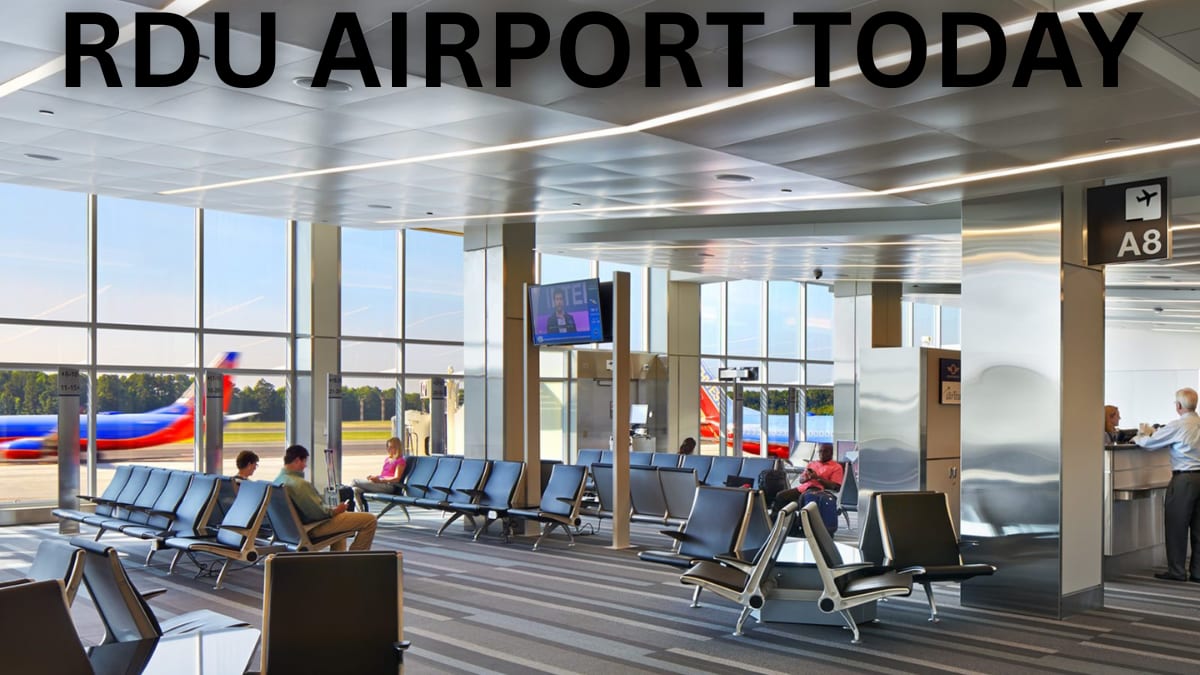
Image by The Sunday Guardian
What Happened at RDU’s Terminal 1
According to multiple local news reports, Raleigh–Durham International Airport received an anonymous threat shortly before 4:30 a.m. on Monday, March 30. In response, Terminal 1 was cleared of passengers and staff, with security directing everyone outside the building and away from the curbside area.
Coverage from Raleigh-area outlets describes hundreds of early-morning travelers waiting outside the terminal for more than an hour while law enforcement and security teams checked the building. Some passengers were moved off aircraft that were in the boarding or taxi phases and instructed to leave carry-on bags behind while the sweep took place.
Publicly available information indicates that Terminal 1 remained closed for roughly 90 minutes while the facility was inspected. The evacuation affected airlines that operate from Terminal 1, including Southwest, Alaska, Avelo, Breeze, Spirit and Sun Country, leading to a wave of delays and schedule changes through the morning.
No details have been released about the nature of the anonymous threat, and published coverage notes that airport and security personnel treated the situation as a precaution while they verified that the building was safe.
Is RDU Airport Open or Closed Today?
As of Thursday, April 2, 2026, Raleigh–Durham International Airport is open and operating. The airport’s official flight-status board for the early-morning hours shows departures and arrivals listed and processing, indicating that both Terminal 1 and Terminal 2 are in use.
The disruption on March 30 was limited to a specific security incident and short-term evacuation of Terminal 1. Reports indicate that the terminal reopened at approximately 6:00 a.m. on Monday once security teams completed their checks and cleared the facility.
While operations have resumed, travelers may still encounter scattered delays tied to residual schedule adjustments, broader national disruptions and spring travel peaks. Weather-related flight issues and tight aircraft rotations can continue to affect departure and arrival times even after a local security incident has ended.
Anyone flying into or out of RDU today is advised to monitor real-time flight status through airline apps or airport displays and to allow extra time at the airport during the busy early-morning and late-afternoon periods.
How the Evacuation Affected Flights and Passengers
The timing of the anonymous threat created substantial disruption because it struck during the first bank of early-morning departures, when Terminal 1 typically handles a concentrated wave of flights. With the building cleared, passengers could not access ticket counters, security checkpoints or boarding gates, forcing airlines to hold aircraft at gates or delay boarding.
Several local reports describe long lines forming once Terminal 1 reopened, as hundreds of passengers needed to re-clear security almost at once. Travelers who had been close to boarding faced missed departures, while others experienced delays as crews and aircraft were repositioned.
Downstream effects extended beyond the Triangle region. Aircraft scheduled to leave RDU early in the morning often continue on to multiple destinations during the day. When those initial legs are delayed, subsequent flights on the same aircraft can depart late as well, adding to schedule pressure at other airports.
Some passengers reported being directed off planes that were preparing to depart, while others waited on parked aircraft or along the curb outside Terminal 1 until the all-clear was given. The experience underscored how quickly a modern airport can shift from routine operations to a full security posture when a threat is received.
What Travelers Should Do If They Are Flying Through RDU
For travelers using RDU in the days following the incident, the most important step is to verify flight status before leaving for the airport and again after arriving at the terminal. Airline apps and text alerts typically provide the fastest notice of any gate changes, departure delays or rebookings linked to the March 30 disruption or to separate weather and traffic issues.
Travelers departing from Terminal 1 may want to build in a wider buffer than usual, especially during the early-morning hours when lines can grow quickly. Arriving at least two hours before a domestic flight can help cushion against any unexpected backup at ticket counters or security checkpoints.
Passengers with tight connections into or out of RDU should pay close attention to minimum connection times and consider earlier inbound flights where possible. While the terminal is operating normally, a day or two of schedule recovery after a large disruption can leave less margin for delays.
Those who experienced missed flights or long delays on March 30 are generally encouraged by consumer advocates to keep documentation such as boarding passes, delay notifications and receipts, which can be useful when seeking rebooking assistance, travel credits or refunds from airlines.
Refunds, Rebooking and Next Steps for Affected Flyers
Travel and aviation analysts note that when an airport disruption is caused by a security issue or external event, airlines typically handle it as an operational irregularity. In many cases, carriers allow affected passengers to change travel dates or times without standard change fees, subject to fare rules and seat availability.
Public guidance from travel-law resources suggests that passengers whose flights were significantly delayed or canceled on March 30 should first check their airline’s app or website for any posted travel waivers related to RDU. These waivers often outline eligible travel dates, covered routes and options for rebooking without additional charges.
If no automatic waiver appears, contacting the airline’s customer service by phone, chat or social media can help clarify available options. Some carriers may offer rebooking on the next available flight, travel credits or refunds in cases of cancellations or long delays, although policies vary by airline and ticket type.
Looking ahead, transportation planners point out that incident-driven evacuations like the one at RDU’s Terminal 1 are unusual but not unprecedented. The episode has prompted fresh discussion among travelers about arriving early, keeping flexible plans and relying on official airline and airport communications whenever a sudden disruption occurs.