

More news on this day
Raleigh-Durham International Airport is operating today after a security threat forced an evacuation of Terminal 1 earlier in the week, disrupting early-morning flights and creating long lines for departing passengers.
Get the latest news straight to your inbox!
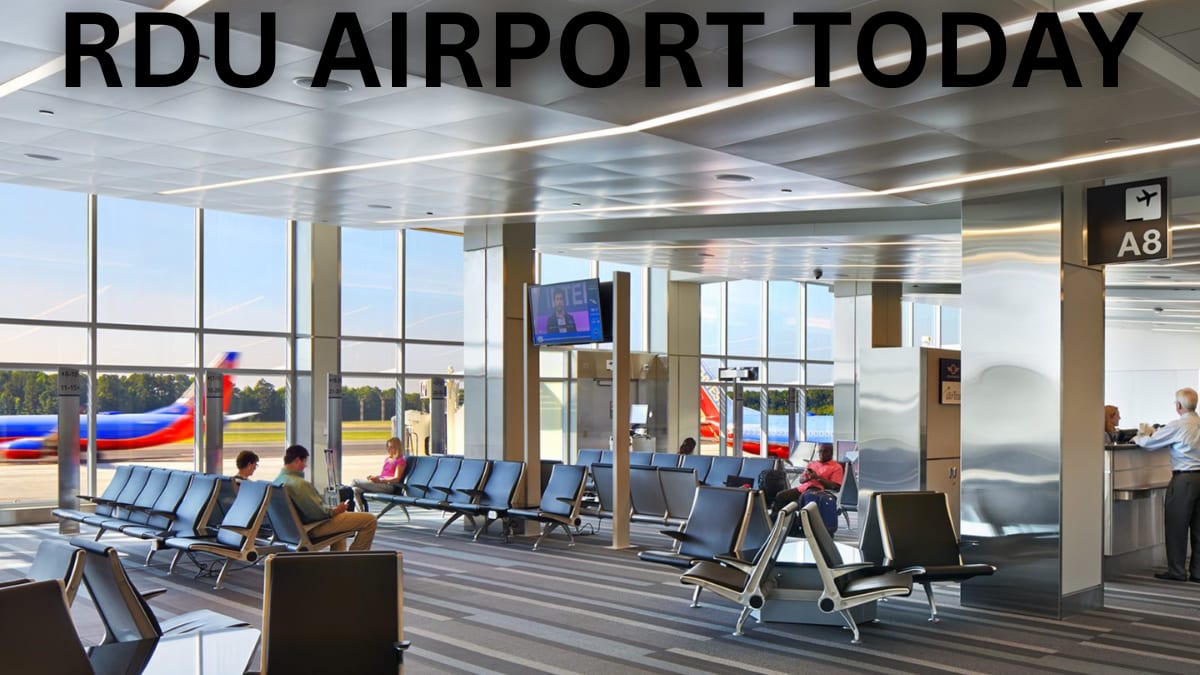
Image by The Sunday Guardian
Current Status: Is RDU Open Today?
As of Thursday, April 2, Raleigh-Durham International Airport remains open, with both Terminal 1 and Terminal 2 operating scheduled flights. Publicly available flight-tracking data shows departures and arrivals moving through the airport this morning, indicating that operations have resumed following the disruption earlier in the week.
RDU’s official information channels and live flight boards reflect a mix of on-time flights and routine delays, but no ongoing closure of Terminal 1. Security screening and airline check-in areas are functioning, and airlines are continuing to process passengers through the terminal used primarily by carriers such as Southwest and Breeze.
Travel data services that monitor checkpoint activity indicate that security lines at RDU today are within typical ranges for a busy weekday morning. Wait times can still fluctuate during peak bank departures, but there is no indication of an active evacuation or shutdown at either terminal.
Passengers flying from RDU today are therefore being advised, through airline alerts and airport messaging, to follow standard guidance: arrive early, monitor flight status and be prepared for heavier-than-usual passenger volumes during the morning rush.
What Happened At Terminal 1 Earlier This Week
The latest disruption at RDU stems from an incident on Monday, March 30, when Terminal 1 was evacuated in the early morning hours after an anonymous threat was reported. Regional television coverage and local community reports describe the evacuation beginning shortly after 4:30 a.m., just as the first wave of departures was preparing to board.
According to published coverage, passengers, airline staff and airport workers were moved out of Terminal 1 while law enforcement and security teams assessed the threat. Flights scheduled to depart around 6 a.m. were delayed or held, and some travelers reported remaining on arriving aircraft while the terminal was cleared.
Local accounts shared publicly online describe long, slow-moving lines once passengers were allowed back into Terminal 1, with some early-morning departures pushed back by more than two hours. Others reported attempting to rebook through Terminal 2 to avoid the backlog at the single security checkpoint serving Terminal 1.
By later in the morning, the immediate threat had been cleared and the building was reopened, but the knock-on effect of the temporary evacuation continued for several hours as crews worked through the backlog of travelers and flights returned to a more normal rhythm.
Flight Operations And Ongoing Disruptions
While RDU is open and functioning today, some passengers with flights in the days following the evacuation may still encounter minor residual disruptions. These can include scattered delays as airlines reposition aircraft and crews, or as schedules adjust from the ripple effects of Monday’s early-morning hold.
Live flight-status boards for RDU on April 2 show most services operating, with a pattern of short delays that is typical for a large regional hub. There is no broad cancellation pattern tied directly to the earlier Terminal 1 incident, suggesting that airlines have largely absorbed the immediate operational shock.
Travelers using Terminal 1 today should still build in extra time, as security screening there has historically seen pronounced peaks during the first morning departure banks. Community reports from earlier this week indicate that when an incident compresses multiple departures into a narrower window, queues can expand quickly at that checkpoint.
For passengers connecting through RDU, the impact is likely to be limited to standard day-of-travel variability. Most nonprecleared international operations and a significant share of domestic services use Terminal 2, which continued operating during the Terminal 1 evacuation and has since maintained regular activity.
Practical Tips For Travelers Heading To RDU
Given the recent evacuation and the potential for heavier passenger volumes, travelers heading to RDU today are encouraged to arrive earlier than they might on a typical weekday. For morning departures, reaching the airport at least two hours before a domestic flight and three hours before an international itinerary remains a prudent baseline.
Before leaving home, passengers should check their airline’s app or text alerts for real-time updates on departure times and gate assignments. Many carriers serving RDU also offer same-day change options for a fee or under certain fare classes, which can provide flexibility if a flight experiences significant disruption.
At the airport, travelers departing from Terminal 1 should be prepared for the possibility of longer-than-usual lines at security if multiple flights are processed in a compressed period. Those who are eligible for expedited screening programs such as TSA PreCheck may experience shorter waits, but should still plan conservatively given recent events.
Ground transportation users may also want to factor in added time for potential congestion at the terminal curbs and parking facilities during peak hours. Ride-hailing pick-up zones and shuttle buses can be particularly busy after any disruption that causes flights to bunch together on the schedule.
How To Stay Informed About Further Changes
With this week’s evacuation underscoring how quickly conditions can change at a major airport, travelers are being reminded to rely on multiple, reputable sources of information before and during their trips. Airport social media feeds, airline notifications and flight-tracking services together provide a broader picture of what is happening on the ground.
Passengers planning to fly out of RDU over the coming days may wish to monitor local news outlets for any follow-up coverage on Monday’s threat and subsequent security posture at the airport. Community forums and traveler reports can also offer a sense of real-time conditions, particularly regarding security wait times and terminal crowding.
For now, publicly available information indicates that RDU, including Terminal 1, is open and functioning on April 2, with no active evacuation in place. Travelers who stay informed, arrive early and build in flexibility are best positioned to navigate any lingering effects from this week’s disruption.