

More news on this day
American travelers heading abroad this spring are being urged to rethink plans to several popular but increasingly volatile destinations, as updated U.S. government advisories highlight rising security risks, airspace disruptions and limited options for emergency assistance.
Get the latest news straight to your inbox!
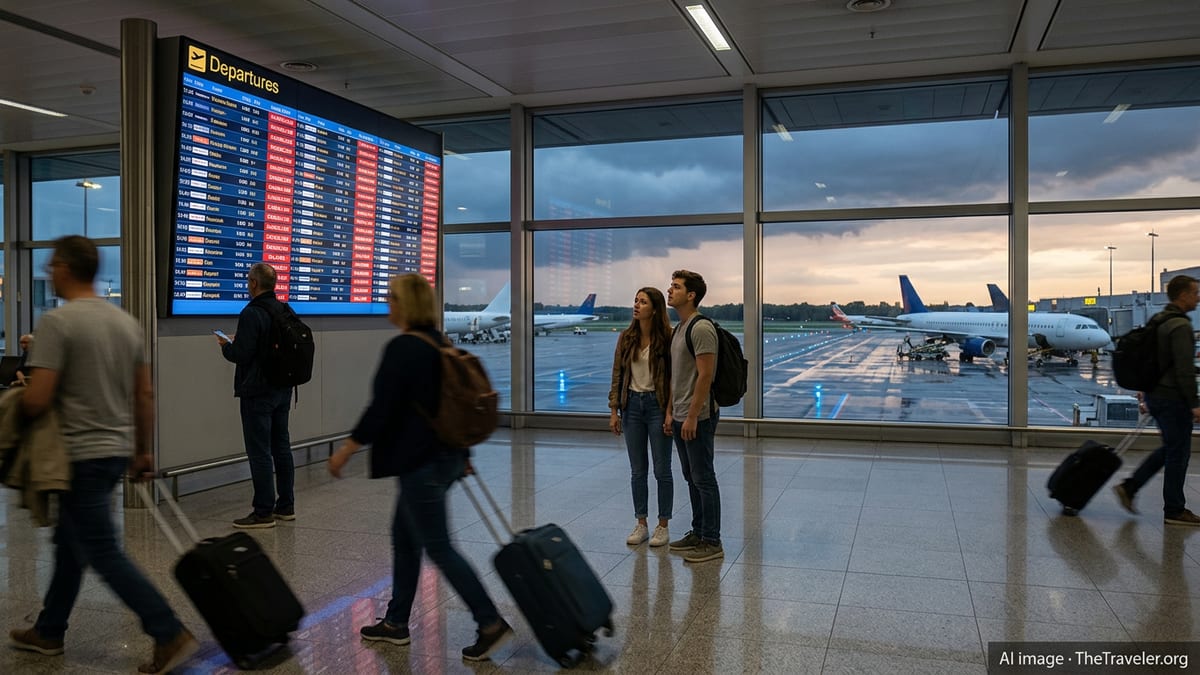
Advisory Levels Tighten as Risks Escalate
Travel advisories from the U.S. government classify destinations on a four-tier scale that ranges from exercising normal precautions to Level 4 guidance instructing people not to travel. Recent publications and analyses of these advisories indicate a notable expansion of destinations placed in the top two categories, which signal serious, sometimes life-threatening risks for visitors.
Publicly available State Department materials explain that a Level 3 advisory, labeled “Reconsider Travel,” reflects a high risk environment where security conditions can deteriorate quickly and where travelers may face significant challenges obtaining local assistance. Level 4, “Do Not Travel,” is reserved for extreme situations such as armed conflict, pervasive violent crime, government collapse or the threat of wrongful detention, and it acknowledges that the U.S. government may have very limited ability to help its citizens on the ground.
Alongside individual country advisories, a renewed Worldwide Caution notice urges Americans overseas to exercise increased vigilance amid heightened geopolitical tensions and a more unpredictable security landscape. Travel analysts note that this layered system of country-specific advisories combined with a global alert signals an unusual period of overlapping risks for international travelers.
The shifting advisory map has direct implications for trip planning, insurance coverage and tour operations. Some travel insurers and educational institutions treat Level 3 and Level 4 advisories as triggers for suspending programs or limiting coverage, which can complicate plans even when airlines and hotels continue to operate.
Haiti Remains a No-Go Destination
Haiti stands out as one of the starkest examples of a sustained Level 4 “Do Not Travel” designation. Recent reporting describes near-total breakdowns in public security, with armed gangs controlling large sections of the capital and critical roads. Foreign safety agencies and travel publications emphasize that violent crime, including kidnappings, carjackings and armed robberies, has surged to levels that make routine movement hazardous.
In addition to the security crisis, the country is grappling with severe shortages of fuel, clean water, food and medical supplies. Coverage from outlets focused on crisis response notes that hospitals and clinics are struggling to operate, while power cuts and blocked supply routes hinder even basic services. For visitors, this means not only exposure to violence but also limited access to emergency health care and constrained evacuation options.
Separately from the State Department advisories, the U.S. Federal Aviation Administration has extended a ban on U.S. commercial flights to Haiti’s capital after a passenger aircraft was reportedly struck by gunfire while landing. The ban, which now stretches through early September, further isolates Port-au-Prince and underscores the risks that criminal groups may pose even to aviation.
Travel industry observers say tour operators that once offered cultural and volunteer-focused trips to Haiti have effectively withdrawn from the market. With security forecasts remaining bleak and official guidance unchanged at the highest warning level, there is little indication that mainstream tourism to Haiti will resume in the short term.
Mexico Under Intensified Scrutiny After Cartel Violence
Mexico, one of the most visited international destinations for U.S. travelers, is facing stepped-up scrutiny after fresh episodes of cartel-linked violence. While the overall advisory level for the country varies by state, reports from regional media and travel risk firms highlight that certain northern and western states are experiencing surges in clashes, roadblocks and targeted attacks that at times spill into areas frequented by travelers.
Recent unrest in parts of Jalisco and neighboring regions prompted authorities to temporarily halt public transportation, shut train lines and close major roads following vehicle burnings and armed confrontations. These disruptions stranded residents and visitors alike, demonstrating how quickly localized violence can impact mobility, even for those not directly targeted.
According to travel risk summaries, U.S. guidance now urges travelers to reconsider or avoid trips to several Mexican states where cartels are fighting for control of trafficking routes and extortion markets. In these areas, shootouts can erupt near highways, resorts may be situated not far from contested zones, and criminal groups have been known to block roads or commandeer vehicles.
Travel specialists advise those still planning trips to Mexico to scrutinize the latest, state-by-state advice, avoid traveling at night, stay within well-secured resort areas when possible and maintain flexible itineraries in case sudden security operations or protests disrupt normal services.
Middle East Conflict Drives New Warnings
Escalating conflict involving Iran, Israel and allied groups has produced a new wave of travel warnings across the wider Middle East and parts of the Eastern Mediterranean. Published coverage describes large-scale military strikes, missile attacks and evacuation efforts that have led to airspace closures, diverted flights and temporary suspension of routes on key corridors used by transatlantic and Asia-bound travelers.
Shortly after a round of intensified strikes ordered in the Iran conflict, the State Department issued a global alert urging Americans worldwide to exercise increased caution, citing the potential for terrorism, anti-U.S. demonstrations and disruptions to commercial travel. Time and other outlets report that multiple countries in the region have intermittently closed their airspace, forcing airlines to reroute or cancel long-haul flights.
Universities and corporate risk offices in the United States have responded by strongly discouraging or suspending nonessential travel to a range of countries that border the conflict zones, including Israel, Lebanon, Iraq and several Gulf states. One major U.S. university’s international affairs office, for example, currently recommends avoiding all institution-sponsored travel to or through a broad list of Middle Eastern destinations, reflecting concern about spillover risks and rapidly changing conditions.
For leisure travelers, this complex security picture means that destinations popular for religious tourism, cruises and cultural trips may pose heightened safety and logistical challenges. Even in cities that remain calm, travelers can face last-minute flight cancellations, altered cruise itineraries and increased security screening, all of which add uncertainty to regional travel plans.
How Travelers Should Respond to Heightened Advisories
The expansion of Level 3 “Reconsider Travel” and Level 4 “Do Not Travel” guidance does not mean that international travel must stop altogether, but it does require more deliberate risk assessment. Travel security experts generally recommend that Americans review the full text of any relevant country advisory before booking, paying close attention to regional breakdowns within each country and to specific risks such as kidnapping, civil unrest or terrorism.
Published guidance from consular services and university risk offices suggests that travelers adjust their planning according to advisory levels. For Level 3 destinations, this can mean avoiding high-risk regions, purchasing robust medical and evacuation insurance, registering travel plans with appropriate consular services and preparing contingency plans for sheltering in place or departing on short notice.
For locations rated Level 4, the message is more straightforward. Travel is strongly discouraged, and those who nevertheless choose to go are often warned that embassy staff may have limited capacity to provide assistance during crises. Commercial flights may be infrequent or subject to disruption, and evacuations, if needed, can be slow and uncertain.
Across all destinations, analysts note that risks evolve quickly. Travelers are encouraged to monitor news coverage from multiple outlets, sign up for security alerts, remain aware of their surroundings and maintain communications plans with friends or family at home. In the current environment, flexibility and vigilance are becoming as essential to international travel as passports and tickets.