

More news on this day
Indonesia is experiencing record-breaking holiday travel across its islands, with new data pointing to unprecedented passenger volumes at major airports and a surge in visitors from Singapore, Malaysia, and Australia targeting both classic resort hubs and emerging cultural destinations.
Get the latest news straight to your inbox!
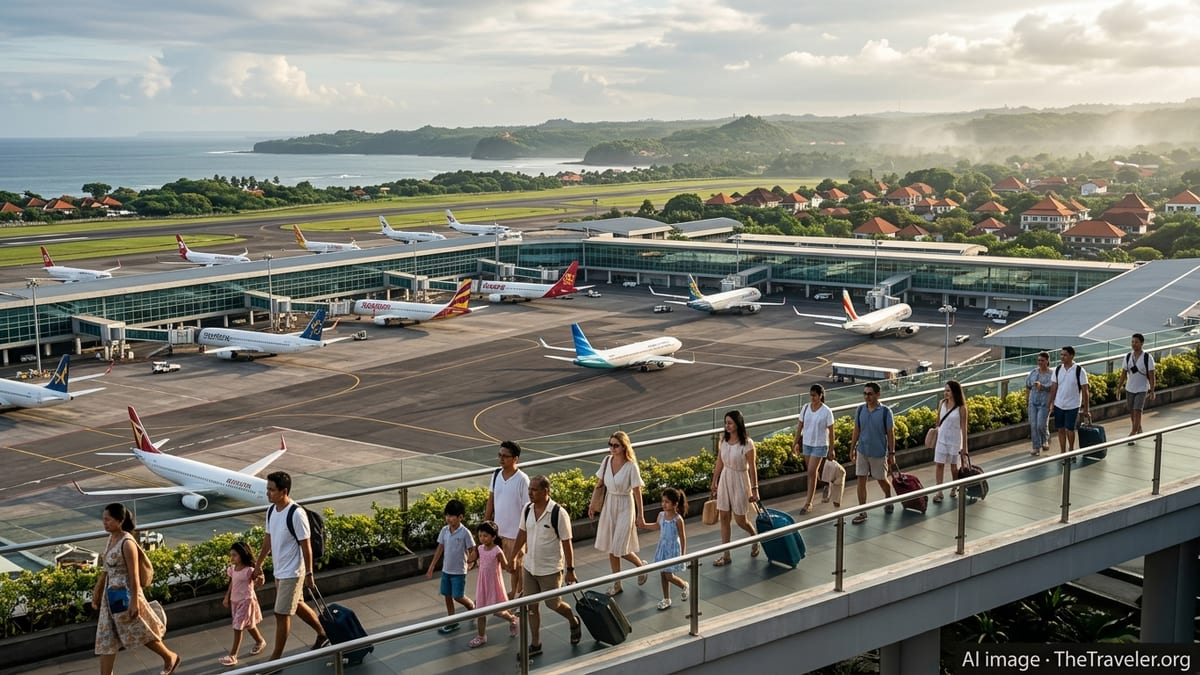
Holiday Peaks Drive Record Passenger Volumes
Recent transport and tourism data for the 2025 and 2025–2026 peak seasons indicate that Indonesia’s major gateways are handling some of their highest passenger volumes on record. State-owned airport operator InJourney Airports reported more than 10 million passengers across 37 airports during the 2025–2026 Christmas and New Year period, surpassing the previous year’s already elevated figures and underscoring the strength of both domestic and international demand.
Projections from Indonesia’s transport authorities ahead of the most recent holiday season pointed to more than 5 million air travelers on domestic and international services over the core Christmas and New Year window alone, with the busiest days concentrated around late December departures and early January returns. Publicly available information shows that on December 24 2025, passenger movements reached well over half a million in a single day across the InJourney network, reflecting tight seat capacity and busy terminals at Jakarta, Bali, Surabaya, and other regional hubs.
These year-end peaks build on a broader recovery trend. Statistics Indonesia reported more than 11 million foreign arrivals in the first nine months of 2025, up around 10 percent year on year, with airports such as Soekarno Hatta in Jakarta and Ngurah Rai in Bali acting as primary gateways before travelers disperse to beach, cultural, and nature destinations across Java, Bali, Lombok, Sulawesi, and beyond.
Singapore, Malaysia, and Australia Lead Inbound Markets
Published data from Statistics Indonesia and regional tourism reports show that Malaysia, Australia, and Singapore remain among the largest sources of foreign visitors to the country. For the January to September 2025 period, Malaysia accounted for nearly one fifth of all international arrivals, with Australia and Singapore also ranking within the top contributors. These markets are supported by dense air links via Jakarta and Bali, as well as popular point to point services from hubs such as Singapore and Kuala Lumpur into Indonesian secondary cities.
Bali in particular continues to see strong flows from these three countries. Information released by Ngurah Rai International Airport for 2025 points to millions of international passengers over the first eight months of the year, with routes to and from Singapore, Kuala Lumpur, and key Australian cities such as Perth, Sydney, and Melbourne among the busiest. Earlier operational updates from 2024 already highlighted that Australian nationals made up the largest share of foreign visitors arriving in Bali during some months, while flights linking the island with Singapore and Kuala Lumpur regularly ranked among the top city pairs by passenger volume.
Travel analysts note that this pattern reflects both leisure demand and the ease of short haul connectivity within Southeast Asia. For Singapore and Malaysia based travelers, Indonesia offers quick access to beach resorts, diving spots, and cultural cities, often within a few hours’ flying time or via ferry and overland routes. For Australians, Indonesia has consolidated its position as a favored outbound destination, with industry data showing that it recently overtook New Zealand as the top overseas choice for Australian travelers, driven largely by Bali but increasingly by interest in Lombok, Flores, and Komodo.
Key Cultural and Scenic Destinations in Focus
While Bali remains the most recognizable name on the map, reports indicate that holiday travel surges are increasingly spread across a wider range of Indonesian destinations. On Java, Yogyakarta and nearby Borobudur and Prambanan continue to draw visitors for temple complexes, arts traditions, and culinary experiences. During major religious and school holidays, these cultural centers see sharp increases in both domestic and regional arrivals, with travelers from Singapore, Malaysia, and Australia combining city stays with side trips to volcanic landscapes such as Mount Merapi and Mount Bromo.
In eastern Indonesia, Labuan Bajo in Flores and the broader Komodo National Park area remain high on many itineraries. Publicly available tourism and aviation data point to steady growth in flights to Labuan Bajo, as travelers seek marine national parks, diving, and island scenery as an alternative or complement to Bali. Similar patterns are reported around Lombok and the Gili Islands, where beach resorts, surf breaks, and a slower pace appeal to repeat visitors familiar with Bali who are looking for less crowded shorelines.
Nature oriented trips are also gaining prominence in Sumatra, Sulawesi, and Kalimantan, where national parks, coral reefs, and orangutan habitats feature in tour programs marketed in Singapore, Kuala Lumpur, and Australian cities. While these destinations handle a smaller share of overall foreign arrivals than Bali and Java, recent holiday periods have seen stronger occupancy at eco lodges and dive resorts, supported by a gradual expansion of regional air links and packaged itineraries.
Travel Conditions During Peak Seasons
Record traffic volumes come with practical challenges that travelers should anticipate, particularly during Indonesia’s main holiday peaks. These include the year end Christmas and New Year period, the Eid al Fitr homecoming season known as mudik when tens of millions of Indonesians travel across the archipelago, and domestic school holidays that can vary by province. During the 2024 mudik period, estimates from national agencies indicated that more than 190 million journeys took place across all modes of transport, producing heavy congestion on roads and limited seat availability on popular flight and ferry routes.
For international visitors, the impact is most visible at airports and major tourist corridors. Reports from recent peak seasons describe crowded departure halls at Jakarta and Bali, longer check in and security queues, and busy immigration counters at arrival. On key intercity routes in Java and to ferry ports serving the Riau Islands and Batam Bintan corridor from Singapore, road traffic can slow significantly, especially on weekends and public holidays.
Accommodation pressure is another consequence of record demand. Popular coastal areas in Bali’s south, Yogyakarta’s heritage districts, and emerging hubs such as Labuan Bajo and Lombok’s Senggigi and Kuta areas often report high occupancy rates during holiday periods, with top tier beachfront hotels and boutique properties selling out well in advance. Travelers planning to move between multiple islands should factor in the possibility of schedule changes, limited last minute seats on domestic flights, and weather related disruptions during the wet season that can affect smaller aircraft and boat services.
Practical Guidance for Visitors from the Region
Given the intensity of current travel flows, planning ahead has become essential for visitors from Singapore, Malaysia, Australia, and other key markets. Industry advisories recommend booking international and domestic flights several weeks or months in advance for travel falling around Christmas, New Year, Eid periods, and local public holidays. Securing accommodation early in flagship destinations such as Bali, Yogyakarta, Lombok, and Labuan Bajo not only improves availability but can also help contain costs, as last minute prices tend to rise when capacity tightens.
At airports, passengers are encouraged by publicly available guidance to arrive earlier than they might for off peak trips, particularly at Jakarta’s Soekarno Hatta and Bali’s Ngurah Rai, where security and immigration processing times can lengthen on busy days. Travelers should also monitor airline notifications closely, as domestic carriers occasionally adjust schedules or add extra services to meet peak demand, which can have knock on effects for connecting flights or ground transport bookings.
On the ground, awareness of local calendars is useful. Major religious events, school holidays, and national celebrations can affect opening hours, crowd levels at popular temples and attractions, and traffic conditions around city centers and toll roads. Visitors heading to cultural and scenic sites may find it helpful to travel early in the day, secure timed entry tickets where available, and build flexibility into itineraries in case of congestion or temporary closures due to ceremonies or weather.
Despite the pressures of record breaking visitor numbers, the overall experience for many travelers remains positive, helped by ongoing investment in airport facilities, roads, and tourism infrastructure. For those arriving from nearby Singapore and Malaysia or from Australian cities along the Indian Ocean and Asia Pacific routes, Indonesia’s mix of beaches, volcanic landscapes, and deeply rooted cultural heritage is proving more attractive than ever, especially for those prepared to navigate peak season conditions with careful planning.