

More news on this day
U.S. airports are entering a period of record passenger volumes, with security screening totals now reaching the highest levels in Transportation Security Administration history and forcing travelers at Florida hubs such as Orlando International and Daytona Beach International to rethink how early they arrive at the airport.
Get the latest news straight to your inbox!
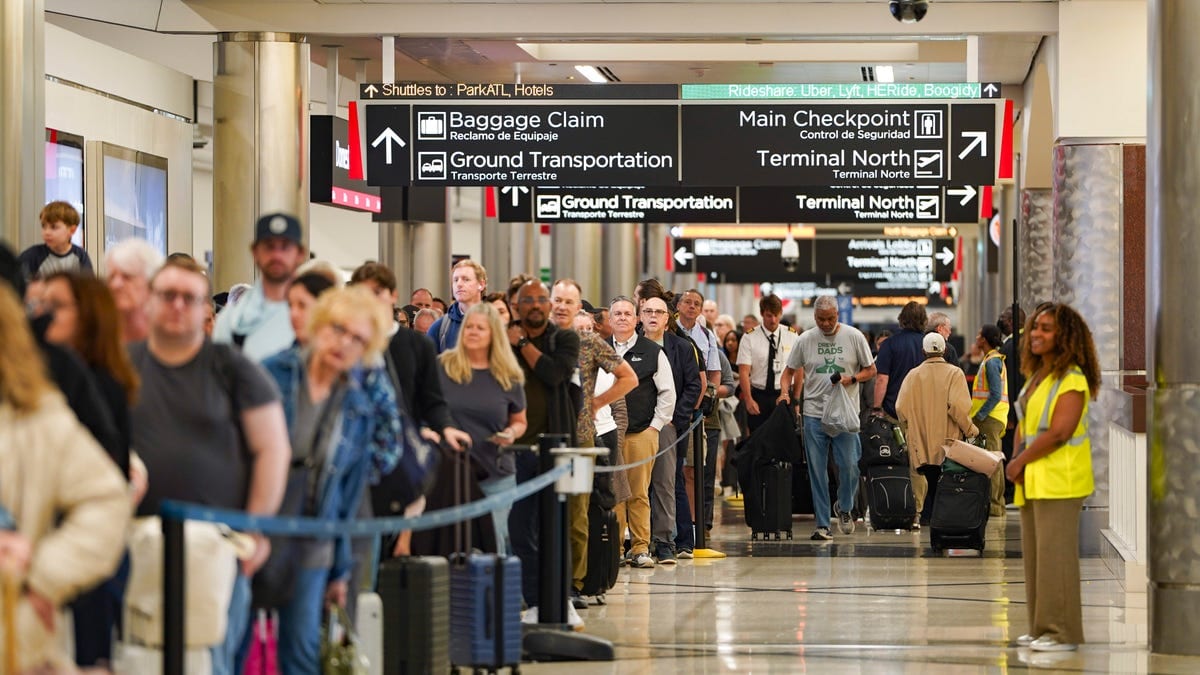
Image by news-journalonline.com
National screening totals reach historic highs
Publicly available TSA throughput data and recent holiday reports indicate that checkpoint volumes in the United States are now higher than at any time since the agency was created in 2001. Over recent peak periods, single-day screening totals have surpassed 3.1 million passengers nationwide, setting new records on some of the busiest travel days of the year.
Travel industry coverage of the 2025 Thanksgiving period highlights how quickly volumes have climbed. On the Sunday after the holiday, TSA reported screening more than 3.13 million people, topping the previous single-day mark set in 2024 and continuing a trend in which the agency’s ten busiest days on record have all occurred within the last two years. Analysts note that these numbers reflect not only the rebound from the pandemic era but also structural growth in domestic and international travel demand.
Seasonal surges are no longer limited to classic holiday peaks. TSA news releases and airline forecasts for long weekends such as Memorial Day and Labor Day show multi day windows where daily screening levels routinely approach or exceed prior records. For travelers, that means the underlying baseline for “normal” crowding at checkpoints is significantly higher heading into 2026 than it was even a few years ago.
While TSA staffing levels have also increased, the combination of record throughput, evolving screening technology and occasional staffing disruptions has created pockets of extended wait times. Travel forums and airport performance dashboards show that, on some days at larger hubs, general screening lines can swell well beyond the agency’s often cited goal of keeping standard waits under 30 minutes.
Orlando International braces for heavy 2026 traffic
Orlando International Airport, one of the country’s busiest leisure gateways, is preparing for what local travel outlets describe as its busiest spring break on record in 2026. Airport projections point to more than 7.4 million passengers moving through MCO over a roughly six week window that runs into early April, a figure that underscores how central the airport has become to both Florida tourism and national travel patterns.
Reports on Orlando’s plans for the season indicate that the airport is leaning on a mix of additional staffing, expanded checkpoint capacity and digital tools to manage security demand. Among these tools are reservation style systems that allow passengers on certain airlines or in specific terminals to pre book a time slot at a TSA checkpoint, a strategy aimed at smoothing peaks during the heaviest morning and mid day banks of departures.
Recent coverage of the current government shutdown and staffing strain has also drawn attention to Orlando’s role in the broader national picture. Travel news sites and passenger accounts describe intermittent periods of significant congestion at MCO when federal staffing shortfalls collide with high leisure demand, particularly during overlapping events such as school breaks, major conventions and theme park promotions.
Despite those pressures, Orlando’s average daily wait time data often shows wide variation by time of day and checkpoint. Travelers departing early in the morning or late in the evening may still clear security relatively quickly, while those arriving in the mid morning and mid afternoon banks are more likely to encounter the longest lines, especially if traveling without TSA PreCheck or similar expedited screening.
Daytona Beach sees smaller crowds but new uncertainty
Daytona Beach International Airport offers a stark contrast to Orlando’s massive terminal complex. With a smaller route network and fewer daily departures, DAB has historically provided what many Florida travelers describe in online discussions as an easy, low stress security experience. Frequent flyers posting on aviation and local forums often mention clearing TSA there within 10 to 15 minutes, even when arriving less than an hour before departure.
The current nationwide staffing challenges and record screening volumes, however, have introduced new uncertainty even at traditionally fast moving airports. Recent traveler questions on social platforms show rising concern about whether the old rule of arriving at Daytona Beach 45 to 60 minutes before a flight is still realistic when TSA call outs or federal budget disputes ripple across the system.
Because DAB operates with only a few security lanes and a limited pool of officers, any unexpected staffing gaps or equipment outages can have a disproportionate effect on wait times, even if total passenger counts remain modest compared with larger hubs. Aviation observers note that smaller airports can be more vulnerable to spikes if one checkpoint lane closes or if a single large group arrives at once.
For now, publicly available wait time snapshots continue to show comparatively short lines at Daytona Beach relative to Orlando or other major Florida gateways. Still, in an environment where total national screening volume is repeatedly hitting new highs, local tourism officials and travel planners increasingly advise treating even smaller airports as part of the same strained national system rather than assuming they are immune from broader trends.
What record wait times mean for Central Florida travelers
The practical effect of the current surge in TSA throughput for travelers using MCO and DAB is a shift in what counts as a safe arrival buffer before departure. Industry guidance that once framed 90 minutes as adequate for many domestic flights is increasingly giving way to recommendations of two hours or more at large leisure focused hubs, and sometimes longer during school holidays or major events.
At Orlando International, airport produced checkpoint planning guides for March 2026 suggest structured target arrival times at security that vary according to flight time, terminal and whether a traveler has access to expedited screening. These materials emphasize building in extra time for parking, rental car return and inter terminal transport before even reaching the TSA queue, reflecting the reality that congestion can start well before security.
Daytona Beach travelers may not need as large a buffer in typical conditions, but the national backdrop of record screening volumes and the possibility of further government disruptions has prompted many to adopt more conservative habits there as well. Travel experts point out that arriving earlier not only reduces stress but also provides a cushion if wait time apps or airport dashboards understate real world conditions on a given day.
Across both airports, the combination of the MyTSA mobile app, live airport wait time dashboards and airline notifications is becoming an essential part of pre flight planning. Publicly available tools that aggregate checkpoint data in near real time allow passengers to spot emerging bottlenecks and, in some cases, to adjust arrival times or select less crowded checkpoints within the same terminal.
Strategies to navigate the busiest screening era on record
With TSA reporting the highest sustained screening volumes in its history, travel analysts argue that passenger behavior has become a key variable in how long security lines feel, even when underlying conditions are challenging. Flyers in Central Florida are increasingly encouraged by airlines and tourism groups to complete as many steps as possible before reaching the airport, from online check in to baggage pre payment and digital document storage.
Enrollment in expedited screening programs such as TSA PreCheck and participation in airport specific offerings like MCO’s checkpoint reservation system are frequently cited in consumer travel coverage as the most reliable ways to reduce time spent in line. While these programs do not eliminate the impact of national staffing shortages or system wide surges, they can shift many passengers into shorter, more predictable queues.
Experts in airport operations also highlight the importance of understanding typical peak periods. For Orlando, that often means early morning waves coinciding with departures to Northeast and Midwest cities, as well as mid day banks linked to outbound international flights and cruise traffic. For Daytona Beach, a handful of morning and mid day departures can create brief, sharp peaks that feel more intense because they are concentrated through a small checkpoint footprint.
As the United States moves through another year of record breaking air travel demand, the experiences at larger hubs like MCO and smaller airports like DAB illustrate how widespread the pressure on TSA screening has become. Whether navigating the longest lines in the system or simply guarding against unexpected delays at a regional terminal, travelers are increasingly planning around the reality that the era of historically light security traffic is over, at least for now.