

More news on this day
Transportation Security Administration checkpoints across the United States are experiencing the longest wait times on record this spring, and travelers flying through Orlando International Airport and Daytona Beach International Airport are seeing firsthand how the nationwide crunch is playing out on Central Florida’s busiest and smallest commercial gateways.
Get the latest news straight to your inbox!
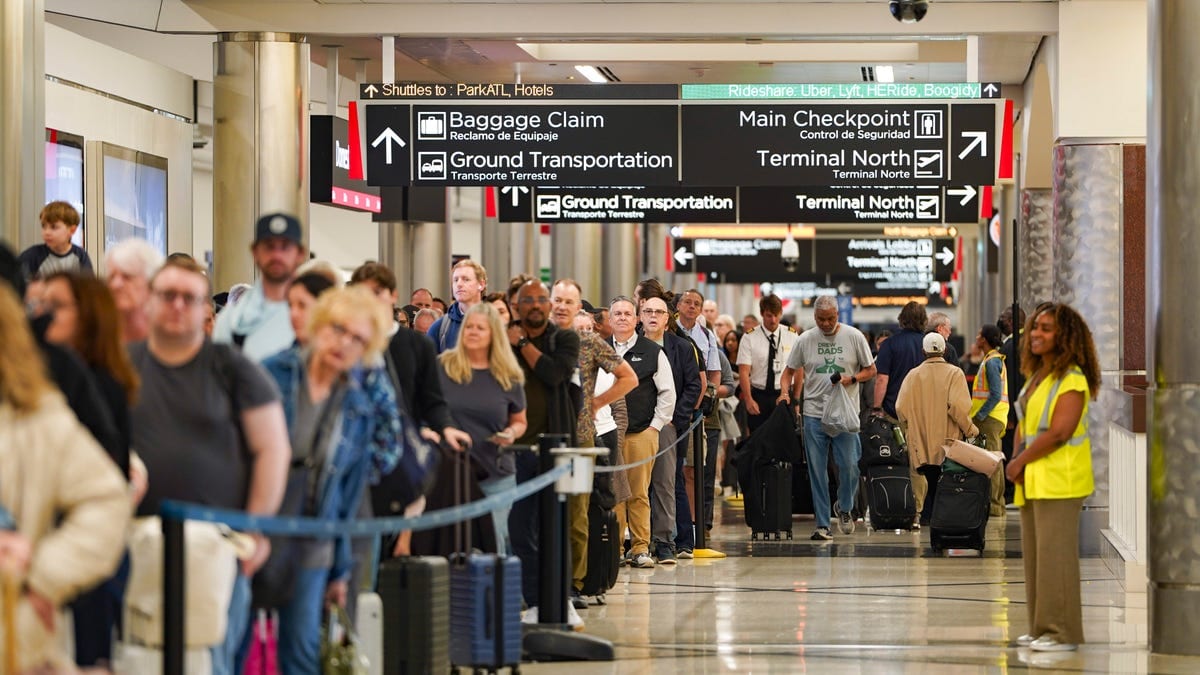
Image by Daytona Beach News-Journal
National surge pushes TSA system to historic limits
Published coverage in recent days indicates that U.S. air travel is in the midst of one of its most strained security periods since the creation of the Transportation Security Administration. A partial shutdown of the Department of Homeland Security has left tens of thousands of TSA officers working without pay at the same time spring break and early holiday travel are driving up passenger volumes.
Publicly available reporting describes a sharp rise in worker callouts at major hubs, with some large airports in Houston and Atlanta recording callout rates topping 30 percent on peak days. In parallel, national broadcasters and regional outlets are characterizing current security waits as the longest in TSA’s history, with images of lines snaking through concourses and into ticketing halls at several big-city airports.
The timing is exacerbating the challenge. The spring break window in March and early April is historically one of the busiest stretches for domestic leisure travel. This year, aviation analysts note that pent-up demand, competitive fares and school calendars aligned to push even more travelers into already crowded terminals, leaving TSA to manage record traffic with reduced staffing.
Industry guidance now widely advises travelers to arrive at least three hours before departure for many major airports, even for domestic flights, a buffer that only a few years ago was typically associated with long-haul international journeys. The combination of record volumes, staffing shortfalls and weather-driven disruptions has created a volatile environment in which security wait times can change dramatically within the span of a few hours.
Orlando International feels the strain of “busiest spring break ever”
Orlando International Airport, one of the country’s busiest leisure gateways and the primary commercial airport for Central Florida theme parks, is entering what the airport itself has described in public communications as its busiest spring break season on record. Local travel industry coverage reports that more than 7 million passengers are expected to move through the terminal complex over a roughly six-week period ending in early April.
That surge is filtering directly into TSA checkpoint lines. Social media posts and traveler forums over the past two weeks describe a wide range of experiences at Orlando International, from early-morning checkpoints that appear nearly empty to standard lanes that reach 30 to 45 minutes during busy afternoon and evening banks. Some accounts from this weekend mention standard screening queues that appear slow-moving even before sunrise, suggesting that pressure is now appearing outside traditional peak hours.
Despite the national staffing crunch, several online discussions suggest that Orlando’s waits, while often lengthy by local standards, have remained comparatively moderate when measured against the multi-hour lines reported at some large hub airports. Travelers comparing notes point out that Orlando’s mix of standard TSA screening, PreCheck, Clear and an advance-reservation lane system has helped spread demand across multiple access points, although not all of those options operate during late-night hours.
Airport-focused travel advisories are urging passengers at Orlando International to build in more time than usual, especially on Fridays, weekends and days when multiple large conventions or major theme park events coincide with school holidays. Frequent flyers posting real-time updates recommend checking both the airport’s own wait-time tools and third-party tracking services up to departure day, noting that conditions can deteriorate quickly if additional TSA officers call out from a particular checkpoint.
Daytona Beach International remains comparatively calm
While Orlando International wrestles with record passenger volumes, nearby Daytona Beach International Airport offers a very different security experience. The Volusia County facility handles a fraction of Orlando’s daily flights and is often described in traveler accounts as a low-stress alternative for those able to route their trips through a smaller field.
Historical traveler commentary and regional coverage portray TSA screening at Daytona Beach as typically brisk, with many passengers reporting wait times in the range of 10 to 15 minutes or less. The terminal’s compact layout, limited number of gates and smaller originating passenger base mean that even during traditional peak travel periods, queues rarely resemble the long snaking lines seen at large hubs.
There is limited current-day public reporting on significant TSA slowdowns at Daytona Beach tied to the nationwide staffing pinch. Aviation observers note, however, that smaller airports are not entirely insulated from national stressors. If officer reassignments or callouts were to affect Daytona Beach’s checkpoint, even a modest reduction in available lanes could have an outsized impact on wait times, given the airport’s small footprint.
Travel experts commenting in regional media suggest that passengers using Daytona Beach this spring should still arrive earlier than the bare minimum, in case additional screening measures are in place or an inbound aircraft disruption causes a sudden concentration of departing travelers at the checkpoint.
Travelers adapt with new tools and timing strategies
As TSA wait times spike nationally, travelers at both Orlando International and Daytona Beach International are increasingly relying on digital tools and crowd-sourced information to navigate the uncertainty. Popular flight-tracking apps, airport websites and independent dashboards now publish estimated security waits by terminal or checkpoint, offering closer to real-time snapshots of conditions on the ground.
In Orlando, passengers are also turning to reservation-style options that allow them to book a screening window at select checkpoints, an approach highlighted in local travel news features as a way to smooth the arrival rush. Frequent flyers on public forums report combining such reservations with TSA PreCheck or Clear to create multiple layers of time savings, although they caution that each program has specific operating hours and eligibility criteria.
For flyers without access to expedited screening programs, timing remains the most important variable. Travel commentary across national outlets and local media now consistently encourages domestic passengers to arrive at least two hours before departure at smaller airports and closer to three hours at busy hubs like Orlando International, particularly during early morning and late afternoon rush periods when flight banks are densest.
Observers also point to a renewed focus on packing discipline. Ensuring that liquids, electronics and carry-on items are organized in accordance with TSA rules before reaching the front of the line can materially speed up processing, an effect that compounds when applied across thousands of travelers per day at an airport the size of Orlando International.
Central Florida’s mixed picture reflects a national challenge
The contrast between the congested checkpoints at Orlando International and the more relaxed pace at Daytona Beach International underscores how unevenly the present TSA crunch is unfolding across the country. Large connecting and leisure hubs are bearing the brunt of both passenger growth and staffing limitations, while smaller regional airports retain some of the pre-crunch predictability that many travelers now miss.
Yet the broader backdrop remains the same for both airports. With national reports indicating the highest TSA wait times in the agency’s history and tens of thousands of officers working through a federal funding impasse, security operations across the system are under unusual strain. Any further spike in callouts, weather disruptions or aircraft irregularities has the potential to ripple quickly through crowded terminals.
For Central Florida travelers, the practical takeaway is a heightened focus on preparation and flexibility. Whether departing from Orlando International amid spring break crowds or from the quieter concourse at Daytona Beach, passengers face a travel landscape shaped by historic security delays, and their best defense is extra time, up-to-date information and realistic expectations at the checkpoint.