

More news on this day
Travelers at Hector International Airport in Fargo faced an unexpectedly chaotic start to the weekend as at least 18 regional flights operated by SkyWest, Envoy Air and GoJet were suspended or heavily delayed, disrupting key connections to Chicago, Dallas–Fort Worth, Denver, Phoenix and other major hubs across the United States.
Get the latest news straight to your inbox!
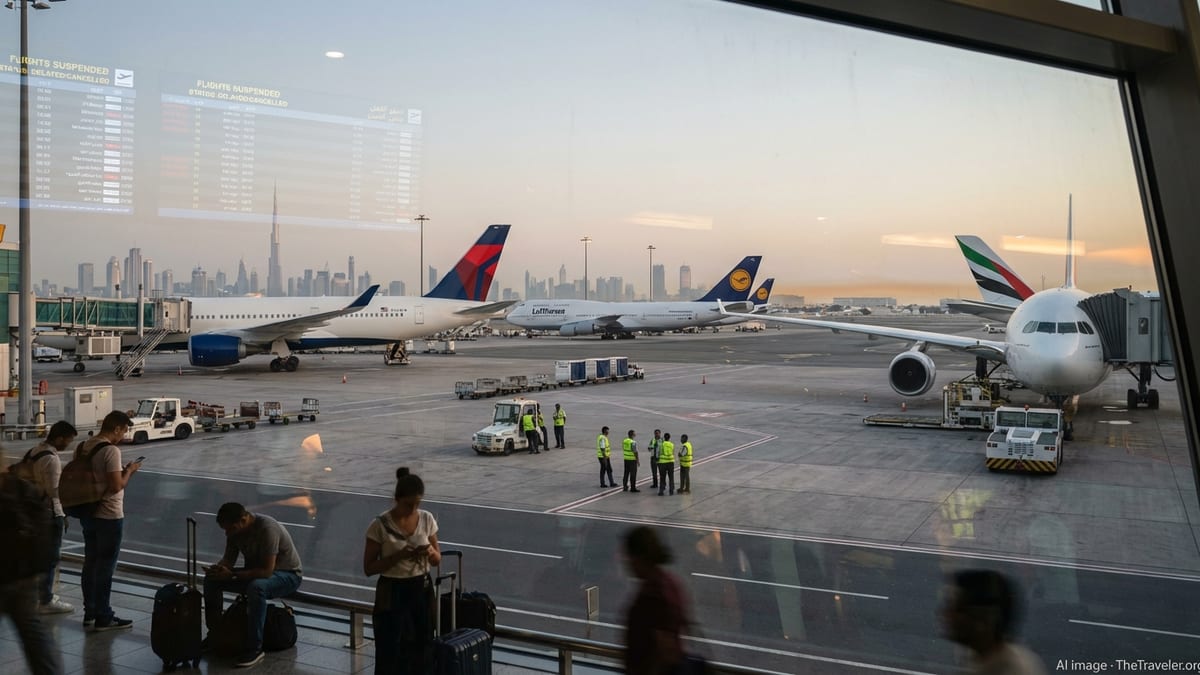
Chain Reaction From Hector International into Major U.S. Hubs
Publicly available tracking data for early April indicate that operations at Hector International Airport have been under mounting pressure as spring weather and wider network constraints collide with a schedule dominated by regional feeders. Flights marketed by major carriers but operated by SkyWest, Envoy Air and GoJet link Fargo to Chicago O Hare, Dallas Fort Worth, Denver and Phoenix, making the airport a critical spoke in several national networks.
On the latest disruption day, at least 18 departures and arrivals involving these three regional operators were either canceled outright or subject to rolling delays, according to aggregated flight-status boards. The affected services included a mix of first-wave morning departures and late-evening returns, increasing the likelihood that passengers would miss onward connections at hub airports or arrive well behind schedule.
Because most of the flights were operating under major airline brands, the backlog quickly spread beyond Fargo. Disruptions on regional segments can prevent aircraft and crews from reaching subsequent rotations at larger hubs, magnifying the impact for travelers starting their journeys in Chicago, Dallas, Denver, Phoenix and other cities connected to Hector International.
Reports from national aviation trackers in recent days show that SkyWest and Envoy Air have been among the more heavily affected regional operators during the current wave of U.S. delays and cancellations, with GoJet also appearing in tallies tied to Midwest storm systems and congestion at Chicago O Hare. Those broader patterns set the stage for localized disruption in Fargo when conditions tightened further.
Ripple Effects on Chicago, Dallas, Denver and Phoenix Routes
The suspended and delayed services at Hector International primarily served Chicago, Dallas Fort Worth, Denver and Phoenix, four hubs that play outsized roles in connecting Upper Midwest travelers to the rest of the country. Schedule data for March and April list multiple daily regional flights on these routes, with SkyWest and Envoy operating on behalf of major network carriers and GoJet flying select services into Midwestern hubs.
In Chicago, recent published coverage has documented several days of intense operational strain, with thunderstorms and congestion driving elevated numbers of delays and cancellations. Regional affiliates such as Envoy, SkyWest and GoJet feature prominently in those tallies, reflecting the vulnerability of thinner spoke routes like Fargo when hub operations falter and capacity is trimmed.
Dallas Fort Worth and Phoenix have also experienced heightened disruption this week, particularly on flights connecting to smaller and mid-sized communities. When traffic management programs or weather constraints reduce throughput at these large fields, regional flights are often among the first to be delayed or cut, creating knock-on effects for travelers attempting to connect to long-haul domestic or international services.
Denver, another key connecting point for Upper Midwest itineraries, has faced intermittent delays tied to spring storms and high winds. When combined with the network challenges in Chicago and Dallas, this has left limited slack in the system. As a result, the suspension of multiple Hector International flights on the same day translated into missed meetings, canceled vacations and unplanned overnight stays across several cities.
Passengers Face Long Waits, Tight Rebooking Options
For travelers on the ground in Fargo, the immediate impact was visible in crowded gate areas, rapidly changing departure times and long lines at customer service desks. With 18 flights canceled or severely delayed in a compressed timeframe, available seats on remaining departures quickly filled, narrowing rebooking options for those hoping to salvage same-day connections.
Industry analyses indicate that regional fleets remain relatively tight heading into the busy spring and summer periods, limiting airlines ability to add backup aircraft or extra sections when disruptions spike. At airports like Hector International, where the mix of carriers is more concentrated and flight frequencies are lower than at large hubs, a cluster of cancellations can leave travelers facing multi-hour or even next-day rebooking windows.
Hotel capacity and ground transport have also come under strain around affected airports during recent nationwide disruption waves. When cancellations occur late in the day, passengers relying on regional connections from Fargo may arrive to find that nearby airport hotels are largely booked and ride-hailing queues are extended, adding further stress to an already difficult travel day.
Travel advocates point out that compensation and care obligations vary widely depending on the cause of a disruption and the airline involved. Weather-related cancellations typically trigger fewer entitlements than delays attributed to controllable operational issues, leaving many passengers uncertain about whether they qualify for meal vouchers, hotel coverage or alternate routing on other carriers.
Part of a Wider Pattern of Spring 2026 Flight Disruptions
The turbulence at Hector International is unfolding against a broader backdrop of elevated flight disruptions across the United States this spring. National statistics compiled over the past week highlight thousands of delays and hundreds of cancellations on peak days, affecting both major network airlines and their regional partners.
Reports from travel industry outlets describe a combination of severe weather, airspace congestion, runway projects and lingering staffing challenges as key drivers of this pattern. Regional operators such as SkyWest, Envoy and GoJet often sit at the intersection of these pressures, flying tightly scheduled routes into congested hubs with limited spare capacity in their fleets.
Fargo s role as a spoke in multiple large carrier networks means that irregular operations at distant hubs can translate quickly into disruption on local timetables. When storms sweep through Chicago or traffic control initiatives slow arrivals into Dallas, Denver or Phoenix, the resulting bottlenecks can cascade back onto smaller airports served largely by regional jets.
Data released in recent months by transportation authorities and airport operators underscore that, while overall U.S. air travel has returned to or exceeded pre-pandemic volumes, the system remains sensitive to even modest shocks. Hector International s latest wave of cancellations and delays illustrates how quickly that fragility can be felt by travelers far from the nation s largest hubs.
What Travelers Through Fargo Can Expect Next
With regional carriers continuing to adjust schedules and manage backlogs, travelers booked through Hector International over the coming days are likely to encounter lingering effects from the suspension of multiple SkyWest, Envoy Air and GoJet flights. Aircraft and crew positioning issues that begin on one day can reverberate through subsequent rotations, especially on lower-frequency routes.
Published guidance from aviation and consumer groups recommends that passengers monitor flight status closely, build additional buffer time for connections involving regional segments and remain prepared for last-minute gate or timing changes. Same-day rebooking flexibility may remain constrained on the most popular routes to Chicago, Dallas, Denver and Phoenix until operations fully stabilize.
Travel planners note that alternative routings via other hubs, including Minneapolis St. Paul or Salt Lake City, can sometimes offer a path around localized disruption, though these options may require longer travel times or overnight connections. For many Fargo-based travelers, however, the suspended regional flights represent the most direct link to the broader U.S. network, limiting the practicality of such workarounds.
As the spring travel season intensifies, attention is likely to remain focused on how regional operators and their major-airline partners manage recovery from events like the Hector International disruption. For passengers stranded this week in Fargo and at distant hubs connected to its routes, the episode has served as another reminder that regional links remain a critical yet fragile part of the national air travel system.