

More news on this day
Travelers using San Francisco International Airport should prepare for new, twice-daily 30-minute air traffic delays starting Monday, as federal air traffic managers introduce scheduled metering periods to better manage heavy arrival and departure demand.
Get the latest news straight to your inbox!
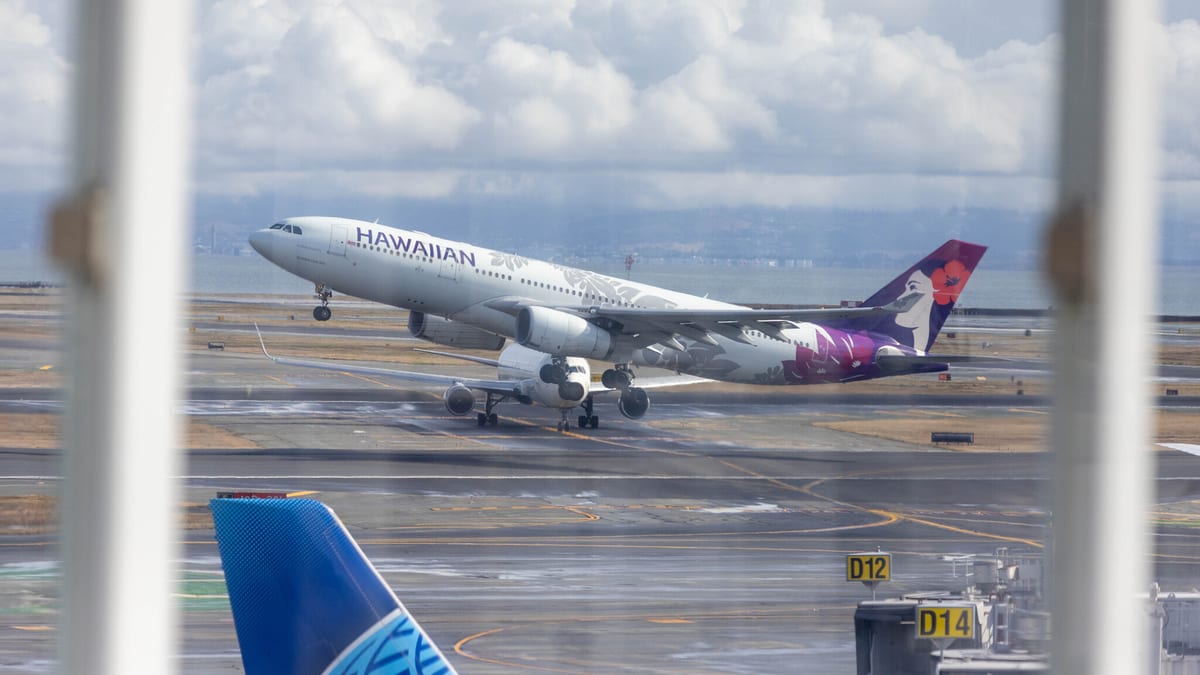
Image by SFGATE
New metering windows aimed at peak congestion
According to publicly available airspace planning information, San Francisco International Airport will see two planned 30-minute delay windows each day, focused on the busiest arrival and departure banks. The structured delays are designed to smooth the flow of aircraft into and out of the Bay Area hub rather than allow demand to surge beyond what the runway system can efficiently handle.
Operational planning data indicates that the delays will function as short, recurring metering programs, with flights assigned slightly later takeoff or landing times during saturated periods. Instead of extended rolling disruptions, traffic will be held in defined blocks so that controllers can keep runway usage closer to target rates while reducing the risk of cascading backups across the broader network.
These measures are being introduced heading into the busier spring and summer travel period, when San Francisco’s mix of long-haul international arrivals, transcontinental services, and dense West Coast schedules typically pushes the airport’s four closely spaced runways near capacity. By setting expectations in advance, planners are signaling that a modest, predictable delay is preferable to sudden multi-hour disruptions when traffic surges collide with routine coastal weather.
For passengers, the shift means that some itineraries touching San Francisco will carry a built-in buffer during those metering windows. While a 30-minute hold on paper may not always translate to a full half-hour of extra waiting, travelers are likely to notice slightly later departure times or longer scheduled gate-to-gate durations on select flights.
Why San Francisco’s airfield is especially sensitive
San Francisco International Airport’s airfield layout has long made it one of the more sensitive major hubs when demand and weather intersect. Its parallel runways are situated close enough together that coastal fog, low ceilings, and crosswinds can quickly force a reduction in arrival rates, even on days that appear relatively calm from the ground.
Historical performance data shows that when arrival and departure demand outstrips those weather-adjusted rates, delays build quickly and can spread to connecting hubs around the country. The Bay Area’s role as a gateway for transpacific traffic adds another layer of complexity, with overnight flights from Asia converging in the morning and competing for runway time with early domestic departures.
By building scheduled 30-minute metering into the daily plan, air traffic managers are effectively acknowledging that peak periods at San Francisco leave little room for error. The new approach attempts to cap the intensity of those peaks rather than continuing to schedule around ideal conditions that often fail to materialize along the coast.
Local transportation and congestion reports have repeatedly flagged the airport as a pressure point in the regional system, with delays at SFO contributing to knock-on effects for both ground travel and connecting air services. The structured delay windows are one of several tools being used to keep operations from tipping into more severe disruption during the busiest parts of the day.
What travelers can expect day to day
For most passengers, the new regimen will be felt less as a sudden change at the airport and more as a gradual adjustment built into flight schedules. Published coverage of the initiative indicates that only a portion of daily departures and arrivals will be directly affected by the 30-minute holds, concentrating the impact in specific banks rather than across the entire operating day.
Airlines are expected to incorporate the metering into their planning by padding schedules around the affected windows, which may show up as slightly longer block times on routes that frequently encounter Bay Area congestion. The aim is to have flights arrive closer to their posted times, even if that means listed durations increase modestly during the program period.
Travelers connecting through San Francisco may see tighter or looser connection times depending on how individual carriers decide to adapt. Those with morning and late afternoon or early evening itineraries should pay particular attention, since peak periods are typically concentrated when long-haul arrivals intersect with domestic banks headed to other major hubs.
Airport-focused traveler forums already reflect a common theme for those flying through SFO: building in extra time remains the safest strategy. With the new metering windows, that advice becomes even more relevant, because a short, predictable delay at the origin airport is now part of the designed flow rather than an unexpected exception.
Impact on airlines and broader network reliability
The decision to schedule short but regular delays at San Francisco is also intended to stabilize airline operations over the long term. When an airport’s flight schedule repeatedly exceeds what its runways and airspace can reliably handle, carriers often see growing numbers of missed connections, aircraft and crew out of position, and late-evening cancellations meant to reset the system.
By distributing a modest amount of delay into two predictable daily windows, planners expect to reduce the frequency of more severe disruptions that ripple through the national network. Airlines can plan aircraft rotations, crew shifts, and maintenance with greater confidence when they know that a 30-minute metering period is a daily fixture rather than an ad hoc response to sudden congestion.
Industry analyses have shown that carefully targeted ground delay programs can, in some cases, improve overall on-time performance by preventing the sort of rolling gridlock that traps dozens of aircraft in holding patterns or long departure queues. The tradeoff is visible and often frustrating for travelers on specific flights, but the cumulative benefit shows up in more reliable schedules across the day.
Because San Francisco plays a central role in several major airlines’ long-haul and transcontinental strategies, the effect of better-managed peaks could extend to distant airports that rely on SFO connections. Improved predictability at the hub may help reduce missed connections on onward flights, particularly to international destinations where daily frequencies are limited.
How to adjust your SFO travel plans
For travelers already booked through San Francisco in the coming weeks, the primary recommendation is simple: treat the new metering windows as an additional variable when planning your trip. Building a cushion into connections and allowing more time to reach the airport can help absorb any schedule adjustments tied to the 30-minute delays.
Morning flights into and out of SFO have traditionally offered a better chance of on-time performance, and that is unlikely to change as the program starts. Those who have flexibility may wish to target earlier departures or arrivals that fall well outside the designated metering blocks, particularly on days when weather along the Northern California coast appears unsettled.
Passengers should also expect some variability as airlines and air traffic controllers fine-tune the timing and scope of the delay windows. While the plan calls for twice-daily 30-minute blocks, actual conditions could lead to slight shifts in how long metering is maintained on a given day, especially during busy holiday periods or in the midst of significant weather systems.
For now, the key takeaway is that short, scheduled delays are becoming part of the standard operating picture at San Francisco International starting Monday. Those extra 30 minutes, applied in a controlled way twice a day, are meant to trade a small amount of inconvenience for a more predictable experience at one of the country’s most capacity-sensitive major airports.