

More news on this day
Hundreds of passengers on a transatlantic flight spent days unexpectedly marooned on a remote North Atlantic island in late March 2026, after an emergency diversion in freezing weather exposed just how fragile aviation support systems can be when something goes wrong far from major hubs.
Get the latest news straight to your inbox!
Emergency Landing Turns Into Multi Day Ordeal
According to multiple news and industry travel reports, the disruption began on the night of March 31, 2026, when a long haul service crossing the North Atlantic diverted to a small island airport after a serious medical situation developed on board. Publicly available information indicates that the crew followed standard safety procedures in seeking the nearest suitable runway, routing the aircraft to a remote island facility with limited capacity for widebody operations.
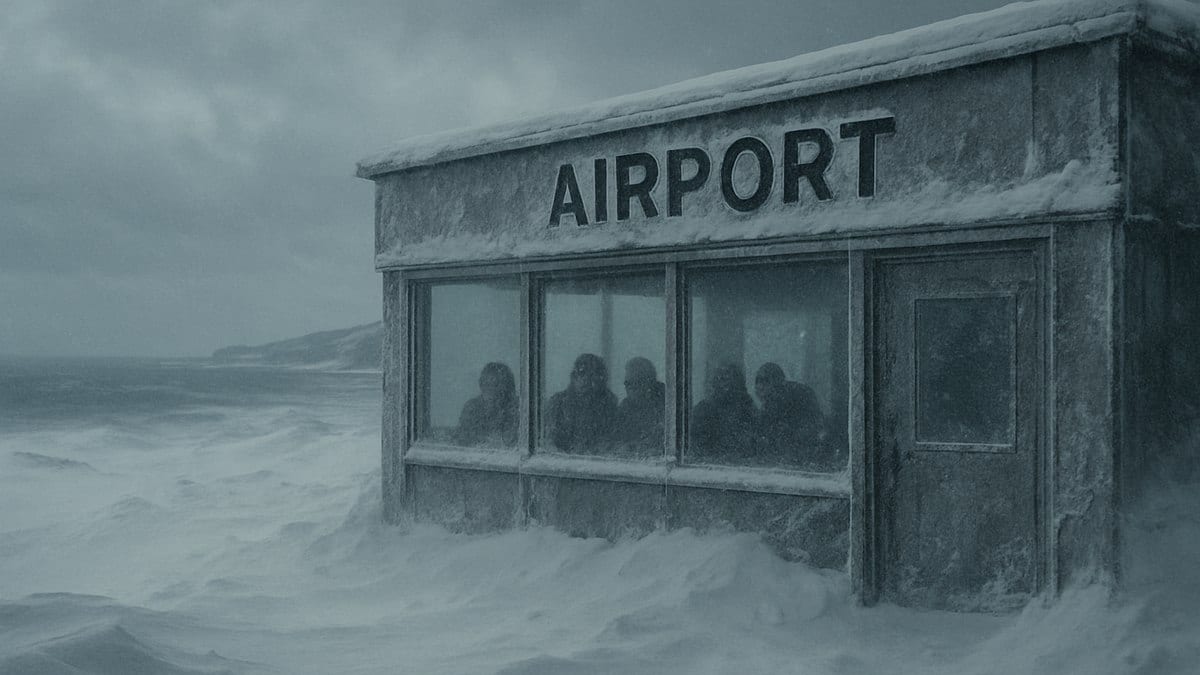
What began as a straightforward safety decision rapidly turned into a prolonged stay. Aviation and travel coverage describes how the aircraft landed in subzero conditions, with strong winds and blowing snow complicating ground handling and passenger disembarkation. With a single short runway and modest terminal infrastructure, the airport was not equipped to process several hundred unexpected passengers at once, particularly during the late night arrival window.
Reports from travel news outlets suggest that passengers spent extended periods on board the parked aircraft before being moved into the terminal and, eventually, to local accommodations. While such delays are not unusual during unscheduled diversions, the combination of harsh weather, limited staffing, and constrained hotel capacity on a sparsely populated island lengthened the disruption into a multi day ordeal.
Limited Infrastructure Magnifies Routine Risks
The incident highlights a long standing tension in transoceanic aviation. Airlines are required to plan routes over remote stretches of water with diversion airfields in mind, yet many of the coastal and island airports designated for emergencies offer only basic services. Industry analysis notes that facilities on small North Atlantic and Arctic islands may have short runways, reduced firefighting categories, limited terminal space, and minimal overnight accommodation inventory compared with major hubs.
When an unscheduled arrival involves a large widebody aircraft, the strain becomes immediately visible. Ground equipment may not be sized for the aircraft type, catering and maintenance support can be minimal, and baggage handling systems are often designed for small regional flows rather than hundreds of international travelers. In this case, publicly available accounts indicate that most checked luggage remained in the aircraft hold while passengers were coached to local lodgings, a standard safety practice that becomes highly inconvenient when an overnight delay stretches into several days.
Travel experts point out that such vulnerabilities are likely to increase as airlines streamline fleets and schedules. With fewer spare aircraft and tighter crew rotations, a diversion that might once have been resolved with a quick equipment swap can now take days to untangle. The 2026 island incident has been cited alongside other recent diversions to remote Canadian and Central Asian airports as evidence that recovery plans have not kept pace with the complexity of modern long haul networks.
Passenger Care Standards Under Scrutiny
Extended strandings of this kind routinely spark questions about what travelers can reasonably expect when circumstances place them far from an airline’s normal bases. Consumer advocates note that compensation rules differ markedly between jurisdictions, and the obligations connected to weather disruption, medical emergencies, and technical failures are not always aligned. In a remote island diversion, those legal distinctions can matter less to affected passengers than the immediate availability of warmth, food, and clear information.
Reports from the 2026 event describe a patchwork of arrangements as the carrier and local partners worked to secure hotel rooms, buses, and basic supplies on an island with a limited tourism footprint during the cold season. Some travelers were reportedly accommodated in small guesthouses and seasonal properties that opened on short notice, while others remained near the airport as the airline assessed aircraft repair options and replacement flight plans.
Aviation analysts argue that the episode underscores the importance of robust contingency planning for passenger welfare, not just aircraft safety. That includes pre negotiated agreements with local authorities and hospitality providers, clear communication protocols for multi day disruptions, and practical support for vulnerable travelers such as families with young children or those requiring medication and medical assistance.
Regulators and Industry Debate Future Preparedness
The 2026 diversion has also entered a broader policy conversation about how regulators and airlines should prepare for rare but high impact events in remote regions. In recent months, attention has already focused on technical downgrades and subsequent reinstatements of rescue and firefighting capabilities at certain island airports, as well as the strain on crews and equipment as carriers stretch aircraft utilization to meet demand.
Publicly available regulatory bulletins show that some remote airports have had to temporarily reduce their emergency categories while critical fire and rescue vehicles were serviced or replaced. Even short lived downgrades can narrow options for diversion planning, especially for long haul flights operating close to the limits of their range in winter weather patterns. Industry commentary suggests that airlines may need to diversify their lists of acceptable alternates and build additional fuel margins into flight plans when crossing isolated oceanic corridors.
The North Atlantic incident is likely to be studied alongside simulations and tabletop exercises examining how best to coordinate between carriers, airport operators, and national aviation agencies when hundreds of people are unexpectedly deposited in places with constrained infrastructure. The outcome of those discussions could influence future guidance on minimum services at designated diversion fields and on how quickly extra aircraft and specialist support must be deployed after an emergency landing.
What Travelers Can Learn From the 2026 Stranding
For individual travelers, the 2026 remote island stranding serves as a reminder that even in an era of dense global flight networks, geography and weather still matter. Travel advisories routinely recommend that passengers on long overwater routes carry essential medications, chargers, a change of clothes, and basic toiletries in their cabin bags, precisely because access to checked luggage can be heavily restricted after an unplanned landing.
Travel planning specialists also emphasize the role of comprehensive travel insurance that clearly addresses diversions, extended delays, and forced overnight stays outside the intended itinerary. While policies cannot shorten a multi day operational recovery, they can provide financial support for additional meals, alternative transport, or independent accommodation if airline provided options prove insufficient.
Perhaps most importantly, the March 2026 episode illustrates how quickly a routine flight can transform into a test of resilience for both passengers and aviation systems. As carriers and regulators review what happened on the isolated island runway, travelers are likely to see renewed attention to the less visible parts of long haul flying, from backup aircraft positioning to emergency welfare logistics in some of the world’s coldest, most remote corners.