

Rent is the single largest expense for most foreign workers in the United Arab Emirates. For professionals deciding between Dubai and Abu Dhabi, understanding not only the advertised averages but what tenants actually pay in different areas and dwelling types is critical. This briefing compares current rental patterns in both emirates, focusing on realistic ranges that expats encounter on the ground rather than headline averages alone.
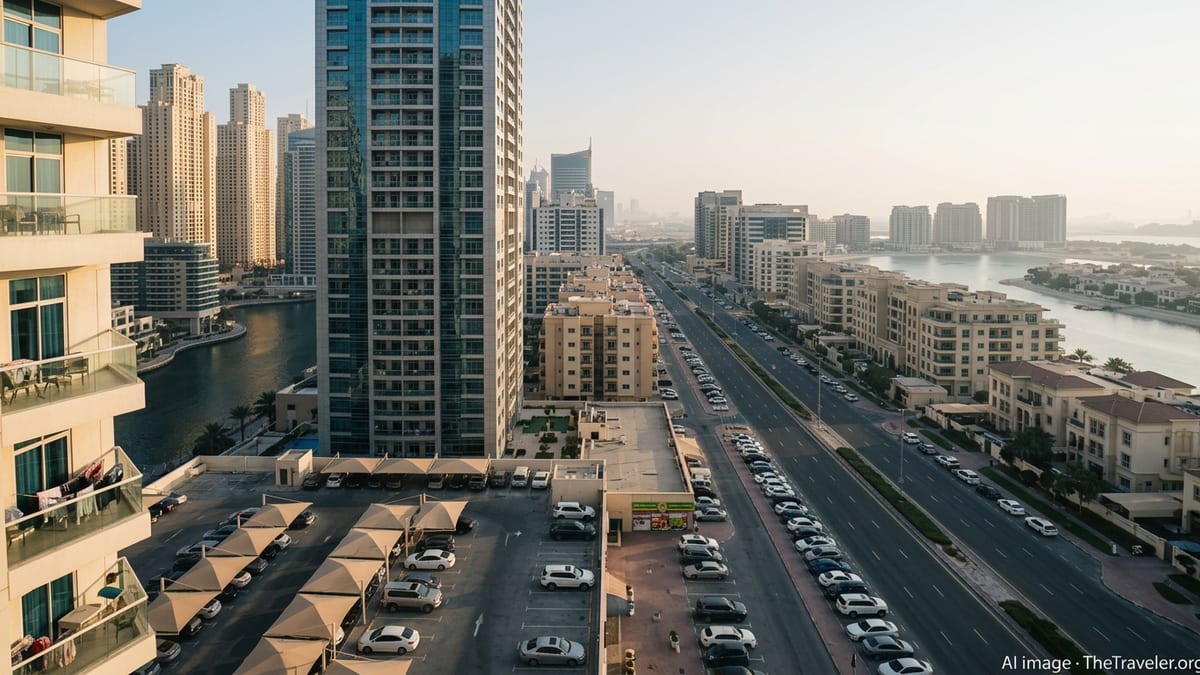
Overview: Relative Rent Levels in Dubai and Abu Dhabi
Dubai remains, on average, the more expensive rental market for centrally located and premium units, particularly in established expatriate districts. Recent market analyses in 2025 and early 2026 indicate that typical one bedroom apartments in Dubai’s main city center zones often sit in the range of approximately AED 7,000 to 9,000 per month, with prime properties higher. In contrast, central Abu Dhabi one bedroom units more often fall in the mid range of roughly AED 5,000 to 7,500 per month, depending on island, building age, and amenities.
However, the gap is not uniform across all segments. Abu Dhabi’s rents have risen rapidly in 2024 and 2025, particularly in mid market areas such as Al Reem Island, Al Raha Beach and Masdar City, where advertised increases over recent years have reached double digits. This means that for newer stock in sought after communities, Abu Dhabi can approach or match mid tier Dubai pricing, especially for studios and one bedroom units in high demand developments.
For larger family units, the relationship is more nuanced. Premium three bedroom villas in both cities can command substantial annual rents, but Abu Dhabi still tends to offer a modest discount for similar quality and space, while Dubai offers a wider spectrum, from more affordable outer communities to ultra luxury gated projects. As a result, the effective price difference for expats depends heavily on location choice, building age, and willingness to live further from core business districts.
Another important factor is supply and vacancy. Dubai’s much larger pipeline of new apartments has started to moderate rent growth in some districts, while Abu Dhabi’s tighter pipeline has pushed rents up faster in several key neighborhoods. Expats evaluating relocation must therefore compare not just headline averages but also current demand pressure and availability in the specific districts where they are likely to live.
What Working Singles Typically Pay
Working singles without dependants most frequently rent studios or one bedroom apartments, often prioritizing commute time and building amenities. In Dubai, as of early 2026, a typical expat renting a one bedroom in a mainstream central area such as Business Bay, Jumeirah Lake Towers or Jumeirah Village Circle will often face annual asking rents in the region of AED 55,000 to 80,000. Monthly equivalents in such areas typically span roughly AED 4,500 to 6,700, with modern towers and better facilities toward the upper end of that band.
In more premium Dubai zones such as Dubai Marina or Downtown, realistic rents for a modern one bedroom in a good building often sit closer to AED 85,000 to 120,000 per year. Many white collar singles in these locations manage costs by compromising on size, opting for smaller layouts or older buildings, or accepting partial sea or city views rather than prime outlooks.
In Abu Dhabi, central one bedroom apartments on Reem Island or in waterfront master communities such as Al Raha Beach have seen significant upward pressure. A realistic annual range for a good quality one bedroom in these zones is often around AED 65,000 to 90,000, with some newer or premium units higher. In older central Abu Dhabi city buildings, one bedroom apartments can still be found closer to roughly AED 50,000 to 70,000 annually, particularly if tenants accept dated finishes or limited amenities.
At the more budget conscious end, both cities have lower profile districts where working singles share two or three bedroom flats. In practical terms, this can bring individual outlays down to approximately AED 2,000 to 3,500 per month in both emirates, though it usually involves smaller rooms, older stock and longer commutes. For singles prioritizing privacy, Dubai tends to require a somewhat higher minimum budget for a self contained apartment than Abu Dhabi, but the difference narrows once like for like buildings and communities are compared.
What Families with Children Commonly Pay
Family households usually look for two or three bedroom apartments or villas, making their rent exposure considerably larger. In Dubai, a mid market two bedroom apartment in communities such as Jumeirah Village Circle, Dubai Sports City or parts of Dubai Silicon Oasis frequently commands annual rents in the range of AED 75,000 to 110,000. In more established waterfront or central communities such as Dubai Marina or Downtown, two bedroom apartments more typically fall between AED 120,000 and 180,000 per year, depending on tower quality, view, and proximity to metro or schools.
Three bedroom apartments in Dubai suitable for families in mid range areas often range from roughly AED 110,000 to 160,000 annually, while villas in popular suburban communities typically start around AED 140,000 to 180,000 and climb significantly higher in premium developments. Many relocating families therefore select non prime but still master planned areas to balance rent against schooling and transport costs.
In Abu Dhabi, the standard family profile often centers on two or three bedroom apartments on Reem Island, Saadiyat Island, Al Raha Beach or in mainland districts such as Khalifa City. Recent ranges for two bedroom apartments in well regarded buildings are commonly around AED 90,000 to 135,000 per year. Three bedroom apartments in attractive, family oriented towers or low rises frequently fall in the AED 130,000 to 170,000 range, with some waterfront units above that band.
Abu Dhabi villas, particularly on Saadiyat Island, Yas Island or in newer mainland compounds, can show headline rents similar to or even above many Dubai suburban communities, especially for large, modern units with private gardens and community facilities. However, Abu Dhabi still offers a band of more affordable compound housing on the mainland, where three bedroom villas may be attainable from the low to mid six figure range annually, especially in older or less central developments. Families comparing the two cities generally find that Abu Dhabi offers slightly more space for a given rent, but less diversity of low cost options than Dubai’s far outer suburbs.
Location by Location: Typical Expat Rent Bands
While aggregate averages are useful, expat rent decisions are made neighborhood by neighborhood. In Dubai, reasonably current data indicates that a representative one bedroom apartment in the wider city center averages around AED 7,500 to 8,000 per month, while one bedroom units outside the core cluster closer to AED 4,800 to 5,000 per month. In elite expatriate communities, even compact one bedroom units can reach or exceed AED 10,000 per month, particularly in buildings with strong amenities and attractive views.
Abu Dhabi’s central districts present a slightly different pattern. In the dense city core, older towers can still price one bedroom apartments at roughly AED 4,200 to 6,000 per month, but desirable island communities such as Reem or Saadiyat tend to command higher rents. There, one bedroom units in modern developments more often sit in the AED 5,500 to 7,600 per month band, and villas or large apartments for families can climb considerably higher, particularly where international schools and leisure facilities are embedded.
The key practical insight is that both cities now have internal tiers. For Dubai, the gap between affordable outer zones and prestige waterfront or downtown districts can easily exceed a factor of two for apartments of similar size. Abu Dhabi’s internal differential is smaller in absolute terms but has been widening as premium master planned communities mature. Expats therefore need to consider not only city choice but also which tier of each city truly aligns with their budget and expectations.
Public data and on the ground listings also highlight that many expats accept trade offs between commute, space and finish. For example, in both cities, moving 15 to 25 kilometers away from major business hubs into newer peripheral districts can reduce headline rent by a meaningful margin. However, savings may be partially offset by higher transport costs, so the net advantage depends on individual work patterns.
What People Actually Pay vs Advertised Averages
Relocation candidates often compare their salary against average asking rents, yet actual out of pocket housing costs can differ significantly from online listings. In Dubai, the large volume of available units and competition among landlords gives tenants some scope to negotiate, particularly in buildings with higher vacancy or in communities with significant new supply. Discounting of several thousand dirhams per year on the advertised rent is not unusual, and incentives such as one month rent free or flexible payment plans are sometimes offered.
In Abu Dhabi, where supply in popular segments has been tighter, scope for negotiation has recently been more limited. Tenants in waterfront or high demand island communities report landlords holding close to asking rents, especially for well finished smaller units. However, mainland Abu Dhabi and older stock across the city still present meaningful room for negotiation, especially where landlords seek long term tenants or corporate leases.
Payment structure also shapes what people actually pay on a cash flow basis. Historically, large parts of the UAE rental market relied on one cheque annual payments. In both Dubai and Abu Dhabi, there has been a steady shift toward multiple cheques, with two, four or even twelve cheque arrangements increasingly common in mid market buildings. While the total annual rent may be slightly higher when paid in more cheques, the monthly burden becomes more manageable for individual tenants.
When discussing “what expats actually pay”, it is also important to note hidden rent related costs. Many modern apartments in both cities are subject to district cooling charges, and some leases in serviced or hotel style residences include utilities or partial services in the rent. In practice, two tenants paying the same nominal rent can experience materially different total housing outlays depending on these factors and on who bears community or chiller fees.
Contract Structures, Increases and Tenure Risk
Rental contracts in both Dubai and Abu Dhabi are usually for twelve months, with renewal commonly expected but not guaranteed. Market observers have noted that in 2024 and 2025, landlords in high demand areas have often sought increases upon renewal, citing market comparables. In Dubai, rental increase caps and official rent index tools provide some guidance on permissible adjustments, which tends to moderate but not eliminate upward revisions. In Abu Dhabi, rising demand and relatively limited supply in some segments have translated into sharper increases in selected communities.
For expats, the main practical risk is volatility at lease renewal. Dubai’s larger and more liquid market can at times offer greater relocation flexibility within the city if a landlord seeks a large increase. Abu Dhabi’s smaller but tightening market may give fewer like for like alternatives within the same micro area, particularly for families tied to specific school catchments. This difference means that Abu Dhabi tenants may face more pressure to absorb increases to avoid disruptive moves, especially for larger family properties.
Expats also need to consider early break penalties. Standard leases in both emirates typically penalize tenants who exit early, often by forfeiting several months of rent. Some corporate leases negotiate more flexibility, but individual tenants rarely secure extensive early termination rights. In practice, this adds to the importance of choosing a rent level that remains sustainable under different employment or income scenarios.
Finally, expats sharing accommodation, especially in lower cost parts of Dubai, may occupy informal or partitioned units that are cheaper than standard apartments but carry higher tenure risk if authorities enforce occupancy or safety rules. Such arrangements can bring apparent rents well below the formal averages but are less stable and may not be suitable for long term relocation planning.
The Takeaway
For professionals deciding between Dubai and Abu Dhabi, the rent comparison is no longer a simple story of expensive Dubai and budget friendly Abu Dhabi. Real world data from 2024 through early 2026 show that Abu Dhabi’s rents have climbed sharply in popular expat districts, narrowing the gap for modern studios and one bedroom units. Dubai still tends to command higher prices in prime waterfront and downtown communities, but its broader range of neighborhoods also means more granular options at different budget levels.
In broad terms, Dubai typically remains 10 to 25 percent more expensive for like for like central apartments, particularly in well established expat clusters, while Abu Dhabi can be noticeably cheaper for older stock and some mainland housing. For family sized villas and three bedroom units, Abu Dhabi still offers slightly better space for money on average, but high specification island communities can reach or exceed Dubai figures.
Expats evaluating relocation should therefore focus less on city wide averages and more on specific districts, dwelling types and realistic payment structures. Comparing what people actually pay in target neighborhoods, factoring in negotiation margins, cheques, and associated housing costs such as cooling and fees, will give a more accurate picture of affordability than headline statistics alone.
Ultimately, both cities require substantial housing budgets by global standards, and rent levels can easily consume a large share of a typical professional salary. Determining whether a move is practical hinges on mapping precise rent bands in the intended living area against net income, risk tolerance for future rent increases, and willingness to compromise on space, amenities or commute distance.
FAQ
Q1. Is Dubai always more expensive than Abu Dhabi for rent?
Not in every case. Dubai is generally pricier for prime central apartments, but Abu Dhabi’s newer island communities can match or exceed mid range Dubai rents, especially after recent increases.
Q2. How much should a single professional budget for rent in Dubai?
A single professional wanting a private one bedroom in a mainstream Dubai area typically needs at least AED 55,000 to 75,000 per year, with more required for prime districts.
Q3. How much should a single professional budget for rent in Abu Dhabi?
For a comparable one bedroom in central Abu Dhabi, realistic annual budgets often start around AED 50,000 to 70,000, with higher figures for modern units on Reem or Saadiyat islands.
Q4. Are family homes significantly cheaper in Abu Dhabi?
On average, Abu Dhabi offers somewhat better space for money in family sized apartments and villas, but top tier island communities can be as costly as many Dubai suburban options.
Q5. Do expats usually pay the advertised rent or can they negotiate?
In both cities, advertised rents are often starting points. Dubai tenants see more frequent discounts and incentives, while negotiation room in high demand Abu Dhabi locations can be limited.
Q6. How do payment terms differ between Dubai and Abu Dhabi?
Both markets have moved from single cheque payments toward two, four or more cheques per year, though some landlords still prefer fewer cheques in Abu Dhabi than in Dubai.
Q7. Are utility and cooling costs included in rent?
Standard leases in both cities usually exclude utilities and district cooling, but serviced apartments or hotel style residences may bundle some costs into the rent, raising the nominal figure.
Q8. How fast are rents rising in Dubai compared with Abu Dhabi?
Recent reports show strong rent growth in both markets, with Abu Dhabi often recording faster percentage increases in popular segments due to tighter supply, while Dubai’s larger pipeline has moderated some areas.
Q9. Is sharing an apartment common to reduce rent?
Yes. Flat sharing is widely used by singles and younger workers in both Dubai and Abu Dhabi to reduce individual rent outlays, particularly in central locations where full units are costly.
Q10. What is the main rent risk expats should plan for?
The primary risk is upward rent adjustment at lease renewal. Tenants should budget with room for future increases and avoid commitments that only work at current rent levels.