

Renting an apartment in the United Arab Emirates as a foreigner is generally straightforward, but it operates within a legal and administrative framework that is specific to each emirate. Understanding how contracts, registration systems, rent controls, and typical costs work in practice is essential for evaluating whether the UAE rental market is suitable for a medium or long-term relocation.
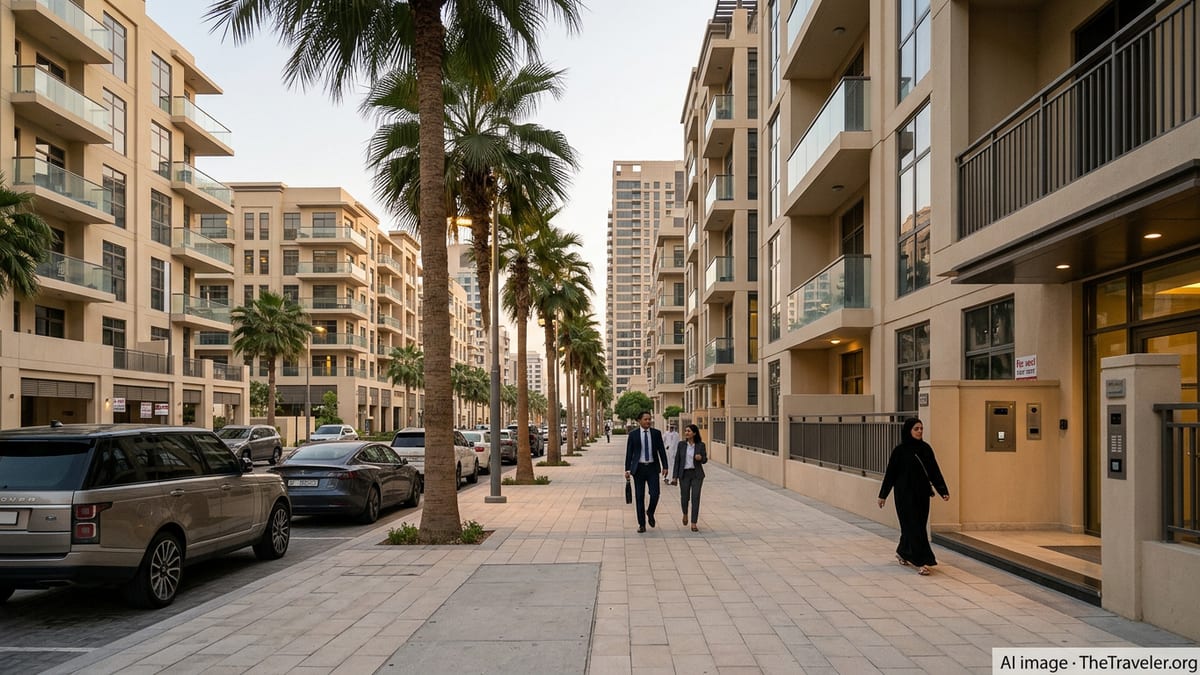
Overview of the UAE Residential Rental Framework for Foreigners
The UAE allows foreign nationals to rent residential property in all emirates, without ownership or citizenship requirements. The legal framework, however, is largely determined at emirate level. Dubai, Abu Dhabi, and Sharjah each have distinct tenancy regulations, registration platforms, and rent adjustment rules. This creates a fragmented but reasonably predictable system for tenants who understand local requirements.
Foreigners typically enter into fixed-term leases of 12 months, renewed annually. Shorter contracts may exist in serviced apartments but standard residential leases remain one-year agreements. In most emirates, early termination penalties and renewal procedures are governed more by the contract wording than by statutory law, so close review of terms is critical before committing.
Leases must normally be documented in writing and registered in the relevant municipal system. Dubai and Sharjah use Ejari-type systems, while Abu Dhabi uses Tawtheeq. Registration is essential to enforce rights in rent dispute committees, to connect utilities, and in some cases to update residency or family sponsorship records. Foreign tenants who occupy property under unregistered or informal agreements face increased legal and practical risk.
Across the UAE, landlords usually request payment of the annual rent by a small number of post-dated cheques along with a refundable security deposit and brokerage commission when an agent is involved. These practices affect cash-flow planning and banking arrangements for foreign assignees and should be factored into relocation budgeting.
Tenancy Contracts and Registration Systems by Emirate
The UAE’s three largest rental markets have formal contract registration systems. In Dubai, all tenancy contracts for residential property must be registered through Ejari, an online system administered via the Dubai Land Department. Registration creates an official record of the tenancy, is required for most government-related services tied to residence, and is a precondition to bringing formal rent or eviction disputes.
Abu Dhabi uses the Tawtheeq system, run by Abu Dhabi Municipality, to register tenancy contracts and underlying leasable properties. Landlords and property management companies are required to register rental units and contracts and to pay applicable municipal fees. Once a lease is registered in Tawtheeq, it links directly to the water and electricity provider, facilitating automatic setup of utilities for the tenant.
Sharjah also requires registration of tenancy contracts with the municipality, and uses an Ejari-style digital system referenced in recent administrative guidance. Tenancy registration is a prerequisite for resolving rent disputes through the Sharjah Rent Dispute Committee and for securing some local services. Sharjah law stipulates that landlords and tenants must formalize and attest their lease relationship through this system rather than relying on informal arrangements.
Foreigners should ensure that the written contract clearly identifies the landlord, property, lease term, rent amount, payment schedule, and permitted use, and that it is properly registered in the relevant emirate’s platform. Without registration, tenants may be unable to prove rent levels, challenge unlawful rent increases, or demonstrate legal occupancy when dealing with banks, authorities, or utilities.
Typical Costs, Deposits, and Payment Structures
Renting an apartment in the UAE involves notable upfront payments. In Dubai, it is common for landlords to request one to four post-dated cheques covering the full 12 months of rent. Similar practice exists in Abu Dhabi and Sharjah, although some landlords accept more frequent cheques or monthly bank transfers. Foreigners therefore usually need a local bank account and must be prepared to commit a full year of rent contractually at the outset.
Security deposits are standard. In Dubai and Abu Dhabi, market practice is typically around 5 percent of annual rent for unfurnished apartments and around 10 percent for furnished units, payable upfront and refundable at the end of the tenancy, subject to deductions for damage or unpaid bills. In other emirates, deposits often align with one to three months’ rent. Contract language rarely guarantees full refund, so foreign tenants should document the property’s condition on move-in and ensure the deposit terms are explicit.
Agency commissions usually apply when a property is sourced through a real estate broker. In Dubai, an agency fee of approximately 5 percent of the annual rent, or a minimum flat fee often in the range of several thousand dirhams, is typical. Comparable levels are seen in Abu Dhabi and Sharjah, though there is no nationwide cap. This cost is normally borne by the tenant in residential leases and is payable only upon signing, not before viewing or offer acceptance.
Other costs include contract registration and municipal fees. For example, Sharjah’s tenancy contract renewal attestation fee is around 4 percent of the annual rent, while similar but differently structured fees apply in Dubai and Abu Dhabi. Tenants may also need to place separate utility deposits with electricity and water providers and, in some emirates, pay housing or municipality fees that are calculated as a percentage of annual rent and added to utility bills.
Rent Regulation, Increases, and Renewal Conditions
Rent adjustment rules are a central consideration for foreigners planning multi-year stays. Dubai applies a regulated system under its tenancy laws and RERA (Real Estate Regulatory Agency) rules. Rent increases at renewal are subject to a rental index, with caps commonly structured in bands, for example allowing a 0, 5, 10, 15, or 20 percent increase depending on how far the current rent is from the official market benchmark. Landlords must also give written notice, typically 90 days before contract expiry, of any proposed rent increase or other change.
Abu Dhabi applies its own rent regulation framework. Recent updates allow landlords to increase rents once per year within a defined cap, with the specific allowable percentage depending on municipal policies in force at the time. As in Dubai, landlords must provide notice ahead of renewal. Without proper notice or outside the permitted increase framework, tenants can challenge hikes at the relevant dispute resolution body.
Sharjah operates under Sharjah Law No. 2 of 2007 and a newer tenancy law adopted in 2024. The core principle is a three-year “protection” rule: a landlord may not legally increase the rent for the first three years from the start of the tenancy contract, provided the contract has been properly registered. After that period, an increase is allowed, but there is no single statutory percentage cap. Instead, the rent should broadly align with prevailing local market levels, and tenants can contest excessive increases at the municipality or rent committee.
In all emirates, annual leases generally auto-renew on similar terms unless one party gives notice of non-renewal or change within the required timeframe, usually 60 to 90 days before expiry. Foreign tenants should track these dates carefully. Failure to respond to a proposed increase within the notice period can be interpreted as acceptance. Equally, tenants who plan to vacate but miss notice deadlines may be liable for an additional lease term or penalties, depending on contract wording.
Tenant Rights, Landlord Obligations, and Common Contract Clauses
While each emirate has its own legislation, certain themes are consistent across the UAE. Landlords are typically responsible for structural maintenance, major repairs, and ensuring the property is fit for habitation. Tenants are responsible for routine maintenance and minor repairs as defined in the contract. Disputes often arise where contracts shift more repair obligations onto tenants than might be expected, so relocating foreigners should examine maintenance clauses closely before signing.
Most emirates require landlords to provide lawful grounds and due process for eviction, such as non-payment of rent, significant breach of contract, or the landlord’s bona fide intention to occupy or sell the property. Even when such grounds exist, immediate eviction without notice is unusual; instead, cases progress through rent dispute committees or local courts. Registered contracts and proof of payment are essential evidence in these processes.
Key clauses for expatriates include early termination rights, penalties for breaking the lease, subletting rules, and restrictions on sharing accommodation with non-family members. Many UAE residential leases impose early exit penalties equivalent to two or three months of rent, unless negotiated otherwise. Some landlords allow mutual break clauses after a minimum occupancy period, but this is a matter of negotiation rather than law.
Another important area is the treatment of security deposits at the end of the lease. Contracts often allow landlords to deduct amounts for damage beyond normal wear and tear and for unpaid bills. In practice, disputes about what constitutes “damage” are common. Tenants who maintain detailed check-in and check-out inventories, supported by photographs, are in a stronger position to recover deposits, especially when combined with a properly registered contract and documented rent and utility payments.
Practical Process: From Property Search to Move-in
The practical sequence for renting an apartment as a foreigner in the UAE typically starts with property search through online portals, local brokers, or corporate housing providers. Once a suitable unit is identified, the tenant usually submits copies of passport, residence visa (or visa in process), and in some cases employment details or salary certificates. Landlords often prefer tenants with stable employment contracts and may be more flexible on cheque structures for corporate tenants.
After basic terms are agreed, the landlord or broker issues a tenancy contract in the standard format used in that emirate. At this point, the tenant is normally asked to provide the dated rent cheques covering the contract period, the security deposit, and the agency commission if a broker is involved. Tenants should avoid transferring deposits or rent before receiving a draft contract and verifying ownership details using official property documents or the local land department where possible.
Once cheques and payments are made, the landlord or management company proceeds to register the contract in the relevant system: Ejari in Dubai and Sharjah, or Tawtheeq in Abu Dhabi. Registration produces an official certificate or reference which the tenant may need to connect utilities, obtain parking permits, or complete other administrative processes. Move-in inspections typically occur soon after, and tenants should use this opportunity to record any pre-existing defects.
Foreigners relocating with families or on corporate assignments should also consider timing. The process from property selection to completed registration can be relatively fast, sometimes within a week, but can take longer if there are delays in document provision, contract amendments, or system processing. Aligning lease start dates with arrival, schooling, and work commencement reduces the risk of paying rent before actually occupying the property.
Risk Areas and Mitigation Strategies for Foreign Tenants
Although the UAE rental environment is generally structured, foreign tenants encounter recurrent risk areas. One is entering into unregistered or partially registered arrangements, often in smaller buildings or with private landlords unfamiliar with procedures. Without Ejari or Tawtheeq registration, tenants may find it difficult to enforce rights, challenge rent increases, or even prove legal tenancy. Insisting on proper registration and retaining copies of certificates is a basic risk mitigation step.
Another risk involves paying significant funds before contract clarity. Requests to transfer security deposits or multiple months of rent before a written contract is finalized and verified should be treated cautiously. Tenants can reduce exposure by ensuring that all payments are linked to clearly dated contracts that identify the landlord, the exact unit, and the payment schedule, and by avoiding cash where possible in favor of bank transfers or cheques that create an audit trail.
Deposit recovery is a common challenge at lease end, especially in markets such as Sharjah where informal practices can vary between landlords and real estate offices. Tenants can strengthen their position by maintaining regular written communication on maintenance issues, seeking written confirmations on notice and move-out dates, and, when necessary, using rent dispute committees or municipalities to mediate where local procedures allow.
Finally, foreign tenants should be aware that regulations and administrative practices have evolved in recent years and may continue to change. Rent indexes, caps, and registration processes can be updated at emirate level. Before signing multi-year leases or making relocation decisions based on current terms, assignees and HR mobility teams should verify the latest local requirements and consider using reputable licensed brokers who operate under each emirate’s real estate regulatory regime.
The Takeaway
Renting an apartment in the UAE as a foreigner is structurally accessible but operationally nuanced. The key determinants of a secure tenancy are adherence to local registration systems such as Ejari and Tawtheeq, realistic budgeting for deposits and agency fees, and a clear understanding of emirate-specific rent control and renewal rules. Dubai’s indexed and capped system, Abu Dhabi’s regulated annual increases, and Sharjah’s three-year protection principle each create different risk and predictability profiles for tenants planning multi-year stays.
Foreigners evaluating relocation should consider whether they are comfortable with annual advance cheque payments, significant upfront cash commitments, and contractual early exit penalties. They should also assess their tolerance for potential disputes over deposit refunds or rent adjustments in environments where enforcement often depends on proactive use of municipal registration and dispute resolution mechanisms.
For many, the UAE’s combination of modern housing stock and a maturing legal framework provides a workable environment, provided they approach the rental process in a structured, informed manner. Detailed pre-signing contract review, insistence on registration, and careful documentation throughout the tenancy greatly improve the likelihood of a stable and predictable housing experience, which is critical to the overall success of a relocation.
FAQ
Q1. Can foreigners rent apartments in all emirates of the UAE?
Yes. Foreign nationals can rent apartments in every emirate, subject to standard tenancy laws and registration rules, without needing property ownership or citizenship.
Q2. How long are typical residential leases in the UAE?
Most standard residential leases run for 12 months and renew annually. Shorter terms may exist in serviced or holiday-style accommodation but are less common for regular housing.
Q3. What upfront payments should a foreign tenant expect?
Upfront payments usually include one to four post-dated cheques covering a full year’s rent, a refundable security deposit of about 5 to 10 percent of annual rent, agency commission, and contract registration and utility deposits.
Q4. Is it mandatory to register the tenancy contract?
In the major emirates, yes. Dubai requires Ejari registration, Abu Dhabi uses Tawtheeq, and Sharjah has its own municipal system. Registration is essential for enforcing rights and accessing many services.
Q5. How are rent increases regulated in Dubai, Abu Dhabi, and Sharjah?
Dubai uses a rental index with capped percentage increases at renewal, Abu Dhabi allows controlled annual increases under municipal rules, and Sharjah generally prohibits increases for the first three years of a registered tenancy, with market-based adjustments thereafter.
Q6. How is rent usually paid during the year?
Annual rent is commonly paid via a small number of post-dated cheques, often one, two, or four for the entire year. Some landlords accept more frequent cheques or transfers, especially for corporate tenants.
Q7. What are typical early termination penalties?
Penalties are largely contractual. Many leases stipulate a charge equivalent to two or three months’ rent if the tenant leaves early, unless both parties agree in writing to different terms.
Q8. How can tenants protect their security deposit?
Tenants should document the property condition at check-in and check-out, keep records of maintenance requests, ensure all bills are paid, and rely on the registered contract and official channels if disputes arise.
Q9. Are there restrictions on sharing or subletting an apartment?
Yes. Most contracts restrict subletting and may limit sharing to immediate family or a specified number of occupants. Unauthorized sharing can be treated as a breach and should be clarified in advance.
Q10. What should a foreigner check before signing a UAE lease?
Key checks include verifying landlord ownership, reviewing rent, deposit, and penalty clauses, confirming that the contract will be registered in the official system, understanding rent increase rules, and ensuring that all agreed conditions are documented in writing.