

More news on this day
Hundreds of US air travelers are facing significant disruption after regional carrier Republic Airways registered 223 delayed flights and 122 cancellations across the United States, affecting busy corridors through New York, Chicago, Boston, and a string of other major hubs.
Get the latest news straight to your inbox!
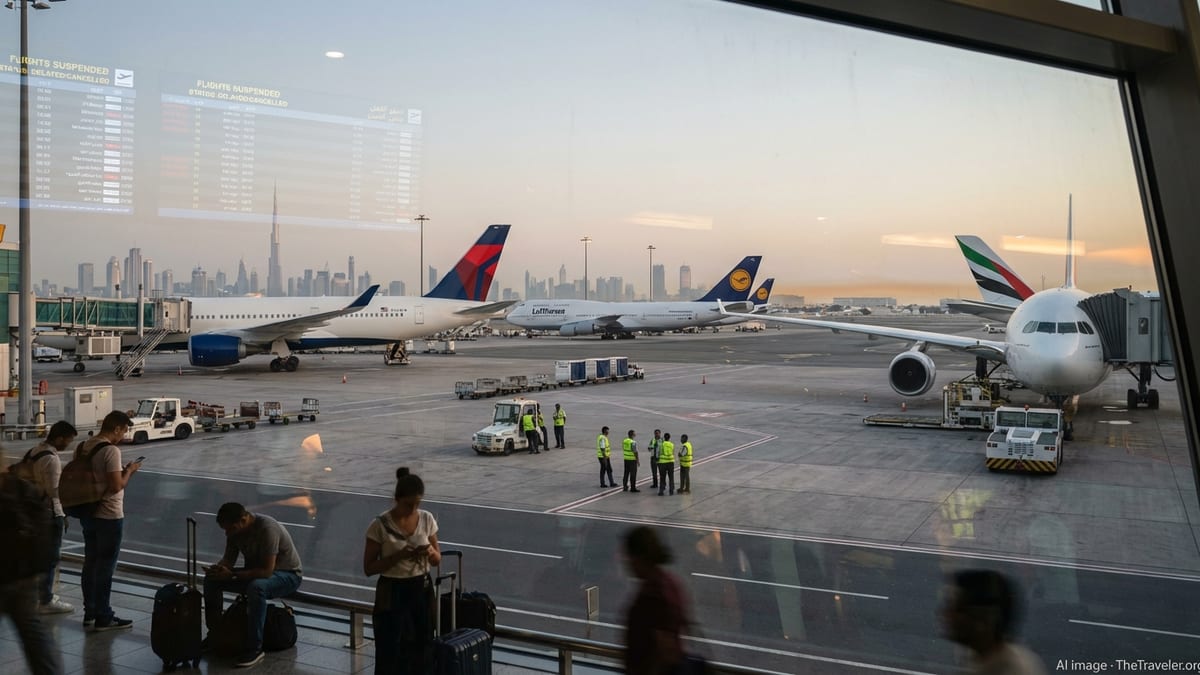
Severe Weather and Network Strain Trigger Widespread Disruption
Publicly available operational data and recent aviation coverage indicate that a combination of severe late March weather and network congestion set the stage for the latest wave of Republic Airways flight disruptions. Storm systems moving across the Midwest and Northeast have repeatedly hit high-traffic hubs such as Chicago O’Hare, New York’s LaGuardia, and Boston Logan, forcing ground delay programs and triggering rolling schedule adjustments.
Reports on recent disruption days show that regional carriers like Republic Airways are particularly exposed when thunderstorms and high winds intersect with already tight turnaround windows. As larger partner airlines prioritize mainline operations, regional fleets operating under capacity constraints often see faster accumulation of delays that later convert into outright cancellations. This pattern has been reflected in recent tallies where Republic Airways has posted dozens of cancellations and hundreds of delays in a single operating period.
Aviation statistics from late March highlight that these disruptions are not isolated events but part of several days of heightened instability across the US network. Severe weather episodes around March 27 and March 31 coincided with spikes in cancellations and delays among multiple carriers, with Republic Airways consistently appearing among the most affected operators. The 223 delays and 122 cancellations attributed to the carrier form part of that larger picture of system-wide stress.
Impact on Major Hubs in the Northeast and Midwest
Recent coverage of US flight operations shows that New York, Chicago, and Boston have been central pressure points in this disruption cycle. LaGuardia and other New York–area airports have recorded high cancellation counts during storm-affected days, with regional jets operated by carriers like Republic Airways playing a significant role in short haul connectivity between the Northeast, Midwest, and Southeast.
In Chicago, thunderstorms over the Great Lakes region have repeatedly translated into extensive delays and cancellations. Reports from Chicago O’Hare describe scenes of crowded terminals and rolling departure pushes as airport authorities and airlines adjusted to changing weather windows. Regional operators including Republic Airways and other feeder carriers for major US airlines have contributed a substantial share of disrupted flights, affecting routes to cities such as Detroit, Toronto, and secondary Midwestern markets.
Boston Logan has also registered elevated disruption levels in the same period, with accumulating delays prompting further schedule compression throughout the day. As a regional operator serving Boston both directly and through connecting hubs, Republic Airways has seen its operations there affected when aircraft and crews became out of position. The concentration of delays at these coastal and Midwestern hubs increased the likelihood that even passengers flying between smaller cities experienced knock-on effects.
Cascading Effects Across Secondary Airports and Route Networks
Operational analyses of recent disruption days indicate that problems affecting a few core hubs can quickly cascade across Republic Airways’ wider network. When aircraft are held on the ground in New York or Chicago, subsequent rotations to cities such as Indianapolis, Louisville, Raleigh-Durham, and other regional airports face compressed turn times or outright cancellations.
Coverage of flight activity in late March pointed to a ripple effect connecting more than a dozen airports nationwide. Republic Airways cancellations linked to storms and congestion at primary hubs translated into reduced frequencies or last minute schedule changes at secondary airports. Some reports highlighted how airports like Louisville and Indianapolis saw Republic’s cancellations spread onward to destinations as far apart as Boston, Miami, San Diego, and Minneapolis, illustrating how a regional carrier’s tight scheduling magnifies the impact of any disruption.
These cascading effects are not unique to Republic Airways, but the carrier’s role as a key feeder for major US airlines means that its operational challenges can quickly influence the broader network. Missed connections at hub airports, limited spare capacity on alternative flights, and aircraft repositioning requirements have all contributed to a turbulent experience for passengers across multiple time zones.
Hundreds of Passengers Face Missed Connections and Lengthy Waits
Passenger impact data compiled from recent disruption reports suggest that the 223 delays and 122 cancellations associated with Republic Airways translate into hundreds, and likely several thousands, of affected travelers. On busy spring travel days, a single regional jet cancellation can strand dozens of passengers, while clusters of cancellations at a hub can disrupt entire banks of connecting itineraries.
Travel coverage from recent days describes passengers confronting issues such as overnight stays, missed international connections, and crowded customer service lines as they attempted to rebook. Because Republic Airways primarily operates short and medium haul routes that feed major carriers, travelers connecting onward to long haul services in New York, Chicago, or Boston were at particular risk of significant onward disruption if their initial regional leg was delayed.
Published guidance from consumer travel outlets stresses the importance for affected passengers of monitoring flight status in real time, confirming rebooking options via mobile apps, and retaining receipts for out of pocket expenses related to meals and accommodation. While specific compensation outcomes vary by carrier and cause of disruption, observers note that the speed at which passengers react can strongly influence the quality of alternative routing options during large scale disturbance events.
Operational and Regulatory Context for Republic Airways
Republic Airways functions primarily as a regional feeder for several major US airlines, operating flights under partner brands with relatively small aircraft and high daily utilization. Industry data and prior Department of Transportation statistics show that regional airlines such as Republic frequently record higher relative cancellation ratios than some larger mainline operators, partly because they operate shorter sectors with tight turnarounds and are more vulnerable to crew and aircraft imbalances.
Recent enforcement and policy discussions at the federal level have also highlighted growing scrutiny of how airlines handle large disruption events, particularly with regard to transparency on passenger rights and rebooking obligations. While many of the latest Republic Airways delays and cancellations have been tied to adverse weather and air traffic constraints, analysts point out that regulators are increasingly tracking how quickly carriers restore normal operations and whether disrupted travelers receive timely information on available options.
For Republic Airways, the latest episode of 223 delays and 122 cancellations underscores the operational challenges facing regional carriers at a time of sustained demand and frequent weather volatility. As spring travel volumes build and storm patterns remain active over key corridors, industry observers expect airlines, airports, and regulators to remain focused on resilience measures intended to reduce the likelihood that localized weather events will again cascade into nationwide disruption on this scale.