

More news on this day
The Royal Flying Doctor Service of Australia has taken delivery of the world’s first aeromedical-configured Pilatus PC-12 PRO, a next-generation turboprop poised to transform emergency care in the outback and sharpen the focus of Air New Zealand, Qantas and Emirates on how aviation can unlock remote tourism and medical access across the continent.
A World-First Aircraft for the Outback
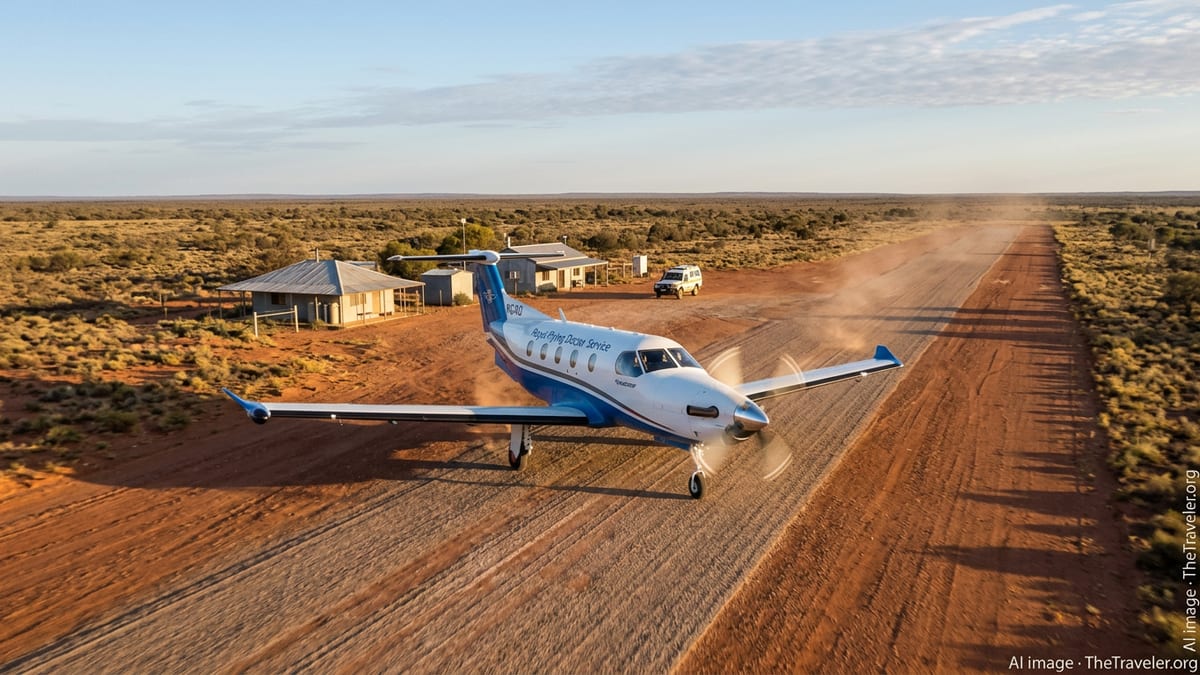
The new PC-12 PRO, delivered this week to the Royal Flying Doctor Service (RFDS) Central Operations, is the first of five aircraft that will join the charity’s fleet serving South Australia and the Northern Territory. The model is the latest evolution of Pilatus’s best-selling single engine turboprop, tailored specifically for aeromedical missions in some of the harshest operating environments on earth.
Configured with a pressurised nine-cubic-metre cabin, wide cargo door and powered loading system, the PC-12 PRO can accommodate multiple patients, medical teams and equipment while operating from short, unsealed strips that define much of remote Australia. Its advanced Garmin-based flight deck and safety systems, including Autoland technology, are designed to reduce pilot workload on long night sectors and in marginal weather.
For communities scattered across the desert interior, that translates directly into faster evacuations and a greater safety margin when every minute counts. For the wider aviation industry, the aircraft is a live demonstration of how cutting-edge technology can be adapted to serve sparsely populated regions where regular commercial services are thin or non-existent.
How Major Airlines Are Reading the Signal
While the RFDS operates independently of commercial carriers, network planners at Air New Zealand, Qantas and Emirates are watching the PC-12 PRO’s debut closely as they refine their own strategies for serving remote and regional markets linked to tourism and resources. Executives and analysts say the aircraft underscores a broader trend toward right-sized, highly capable aircraft enabling more reliable access to small communities.
Qantas, which traces its origins to an outback air service and remains a long-time supporter of the RFDS, views the new PC-12 PRO fleet as a complementary layer in Australia’s air transport ecosystem. By stabilising emergency medical access and inter-hospital transfers, the RFDS makes it easier for states and territories to market remote destinations with the assurance that high-level care is only a flight away.
For Air New Zealand, which already operates turboprops to some of the South Pacific’s most challenging strips, the RFDS upgrade highlights potential partnerships around interline itineraries that combine scheduled flights with aeromedical and charter options for expedition cruises, indigenous tourism and outback trekking. The improved range and efficiency of the PC-12 PRO also strengthen case studies for similar aircraft in island and regional networks.
Emirates, meanwhile, has built its Australian strategy around long haul connections funnelling visitors into hubs such as Sydney, Melbourne, Brisbane and Perth. Industry observers note that as the RFDS and regional carriers improve coverage inland, there is growing scope for joint promotions positioning the outback as a premium side-trip for high-yield international visitors who already fly into the country on widebodies.
Remote Tourism: Safety Net as Selling Point
Tourism operators across central Australia have quickly recognised the marketing power of more capable aeromedical aircraft. Outback stations, eco-lodges and Aboriginal cultural experiences are often located hundreds of kilometres from the nearest major hospital, a reality that can give pause to international travellers weighing multi-day drives and remote hikes.
With the PC-12 PRO entering service, operators are stressing that advanced emergency retrieval is backed by the same level of avionics and safety systems found on many business jets. That reassurance, they argue, can make the difference for risk-sensitive markets such as older travellers, family groups and high-end adventure tourists.
Travel consultants say they expect to see more itineraries that combine city gateways with curated outback extensions built around air transfers, scenic flights and fly-in stays. As the RFDS demonstrates that it can reach remote strips faster and more reliably, insurers and tour wholesalers have additional data points to price medical evacuation coverage and approve more off-grid product.
At the same time, aviation analysts caution that the PC-12 PRO is not a substitute for scheduled regional services. Instead, its role as a safety net may encourage governments and airlines to experiment with lighter commercial operations and seasonal charters to airstrips that previously would have been considered too risky from a contingency perspective.
Healthcare Gains for Communities Off the Grid
Beyond tourism, the arrival of the PC-12 PRO has concrete implications for remote health outcomes. The aircraft’s cabin and systems have been optimised for intensive care transport, allowing clinicians to stabilise patients in-flight with equipment comparable to that of a metropolitan emergency department.
In practical terms, that means faster door-to-door transfers for cardiac events, high risk pregnancies, trauma and sepsis cases that once required long, uncomfortable journeys by road or older aircraft types. The increased payload and range also open the door to more regular clinics flying doctors and nurses into communities for primary care, mental health support and chronic disease management.
Public health experts note that improved aeromedical coverage can influence where professionals are willing to live and work. Knowing that a modern, well-equipped aircraft is available around the clock not only reassures residents, but also gives teachers, police, miners and hospitality workers confidence that they and their families can be reached quickly in an emergency.
For state and territory governments, the PC-12 PRO fleet represents a high-visibility investment in equity of access between city and bush. While the service remains free for patients, policymakers are likely to examine how the new aircraft affects retrieval times, hospital loads and long term health indicators.
What Comes Next for Australia’s Remote Skies
The first RFDS PC-12 PRO is only the opening move in a wider refresh of aeromedical and regional fleets. Pilatus has additional aircraft scheduled for delivery to the charity, and other operators are exploring similar high-tech turboprops and light jets to cover vast territories across the Asia Pacific.
Industry observers expect Air New Zealand, Qantas and Emirates to continue deepening their links with the RFDS through fundraising, codeshare-style marketing initiatives and community partnerships. As more international visitors seek authentic experiences beyond the major cities, having a globally recognised aeromedical backbone could become a unique selling point for Australian tourism.
For now, the sight of a gleaming PC-12 PRO in RFDS livery touching down on a red dirt strip offers a vivid snapshot of how technology, philanthropy and commercial aviation are intersecting. It is a reminder that in one of the world’s most remote inhabited continents, the future of travel and the future of healthcare are taking shape in the same cabin.