

More news on this day
Carnival Corporation has cut its profit forecast after a rapid rise in fuel costs, shaking investor confidence and highlighting how renewed energy volatility is pressuring the cruise industry’s long-awaited recovery.
Get the latest news straight to your inbox!
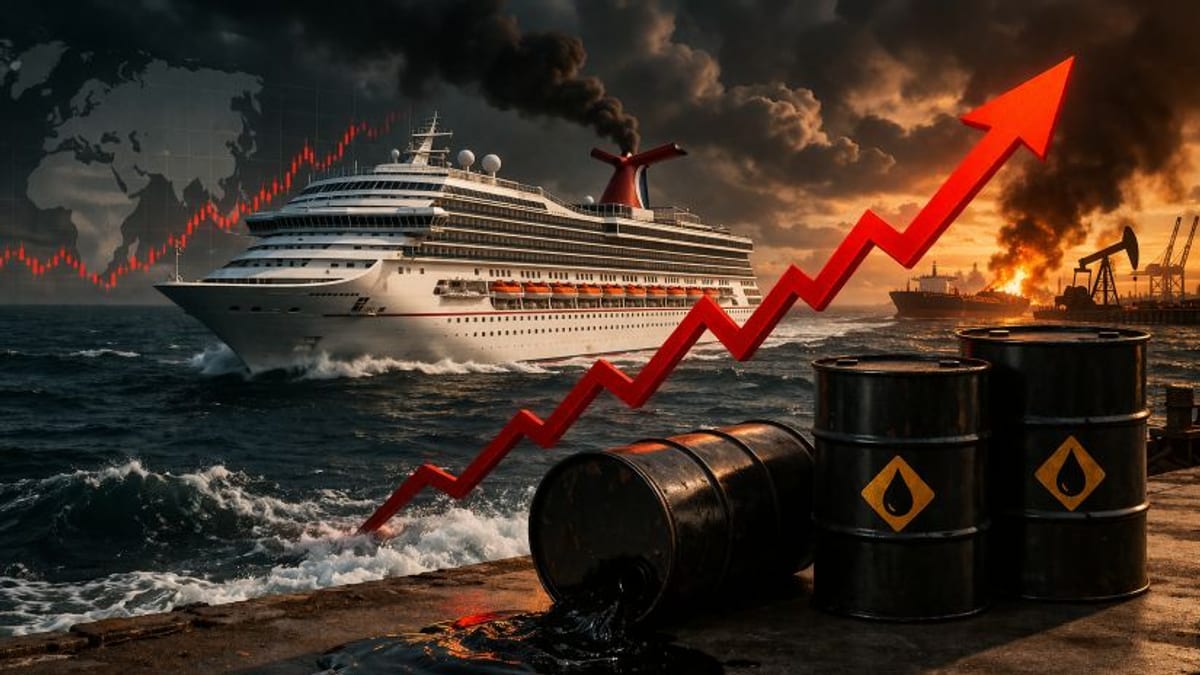
Image by International Cruise News: Latest Cruise Line & Cruise Ship News
Profit Outlook Trimmed After Fuel Cost Spike
Carnival Corporation, the world’s largest cruise operator, has reduced its full year profit guidance as fuel prices climb sharply, according to recent earnings materials and market coverage. The revised outlook reflects higher projected fuel expenses and a less favorable currency backdrop, offsetting continued strength in bookings and onboard spending.
Analysts tracking the company indicate that the updated forecast points to lower-than-previously-expected earnings per share, as assumptions for fuel costs are reset to reflect oil trading well above earlier planning ranges. The move reverses part of the optimism that had built up after Carnival posted record operating results in 2025 and entered 2026 with historically high pricing and strong advance bookings.
Equity research commentary suggests that the adjustment is meaningful enough to affect near term valuation, even though overall demand trends remain positive. Several broker notes describe the guidance change as a reminder that cruise lines remain highly exposed to swings in energy markets, particularly when they have limited fuel hedging in place.
Trading in Carnival’s shares has been volatile around the announcement, with the stock giving back gains accumulated during the sector’s post pandemic rebound. Market reaction indicates investor concern that sustained higher fuel prices could cap margin expansion just as the company had begun to rebuild its balance sheet and resume more normal capital allocation.
Fuel Exposure Stands Out in Cruise Sector
Publicly available industry analysis highlights Carnival’s relatively high exposure to fuel price movements compared with some competitors. Unlike certain major peers that hedge a significant portion of their forward fuel consumption, coverage indicates that Carnival generally carries little or no long term fuel hedging, leaving its cost base closely tied to spot and near term prices.
This strategy had previously benefited the company when fuel prices were subdued, helping it deliver cost efficiencies as demand recovered. The latest surge in oil related benchmarks, however, is now moving directly through to operating expenses. Financial disclosures show that fuel represents a substantial share of total cruise operating costs, so even modest percentage increases can translate into hundreds of millions of dollars over a full year.
Sector commentary notes that the current fuel shock is arriving just as cruise operators face higher wage, food, and port related expenses. For Carnival, the combination is narrowing the room to maneuver on pricing, particularly in its mass market brands that target more price sensitive guests. That dynamic is contributing to the decision to rein in profit expectations despite strong occupancy levels.
Analysts also point to geopolitical tensions and supply concerns as key drivers behind the latest move in energy markets. With visibility on future fuel prices limited, Carnival’s decision to cut its outlook is being interpreted as a recognition that the prior assumptions embedded in guidance no longer look realistic under current conditions.
Investors Weigh Options from Fuel Surcharges to Cost Cuts
The reduced forecast has intensified debate over how Carnival might respond if elevated fuel costs persist. Research notes and industry commentary outline several potential levers, including selective fare increases, targeted cost reductions, and the reintroduction of fuel surcharges on some itineraries.
Fuel surcharges, which many cruise lines used during past oil spikes, remain a sensitive topic. While they can help protect margins, they risk dampening demand or pushing budget conscious travelers toward land based vacations. Recent travel industry coverage suggests that at least one Asian cruise operator has already begun adding surcharges in response to higher fuel prices, leading observers to question whether large global groups such as Carnival could eventually follow.
Cost efficiency efforts are likely to be another focus. Carnival has previously reported progress in reducing fuel consumption per available lower berth day through fleet upgrades, itinerary optimization, and energy saving technologies. Those initiatives can help soften the impact of price increases, but they take time to scale and may not fully offset a rapid jump in fuel benchmarks over the near term.
Some analysts argue that Carnival may ultimately choose a mix of modest price adjustments, continued cost discipline, and careful capacity management rather than leaning heavily on surcharges. The company enters this period with historically strong booking trends, which provides a cushion, but the latest guidance cut indicates that management is prioritizing a realistic assessment of fuel headwinds over maintaining prior profit targets.
Broader Travel and Tourism Ripple Effects
Carnival’s move comes as higher fuel prices begin to reverberate across the wider travel and logistics sectors. Airlines, shipping firms, and large e commerce players have all seen outlooks revised to account for more expensive fuel, according to recent corporate filings and analyst reports. The pattern suggests that energy costs are re emerging as a central risk factor for transportation heavy industries.
For the cruise industry, the timing is particularly challenging. After years of rebuilding following the pandemic shutdown, operators had been counting on stable input costs to help them deleverage and invest in new experiences. Instead, the latest oil shock is forcing a renewed emphasis on efficiency and potentially limiting how aggressively companies can expand capacity or refresh fleets.
Consumer facing impacts may not be immediate, but travel experts expect some combination of higher fares, tighter promotional activity, or more targeted discounts as operators work to defend margins. For travelers who have grown accustomed to aggressive cruise deals, the shift in cost dynamics could gradually translate into less abundant bargain pricing, especially on high demand sailings and private island itineraries.
At the same time, ongoing demand for vacations at sea indicates that many customers remain willing to absorb moderate price increases, particularly in premium segments. The key question for Carnival and its peers is how to balance pricing power with value perceptions while fuel markets remain unsettled.
Energy Volatility Puts Long Term Strategy Under Scrutiny
The guidance cut is also prompting fresh scrutiny of Carnival’s long term strategy for managing energy risk. Public commentary from analysts contrasts the company’s limited fuel hedging with more extensive programs at some rivals, sparking discussion about whether a different approach could smooth earnings through future cycles.
In the near term, Carnival is expected to continue investing in efficiency measures such as newer, more fuel efficient ships and technologies that optimize speed and routing. These initiatives not only reduce fuel consumption but can also support the company’s broader environmental goals, which have become increasingly important to regulators and guests alike.
Longer term, the episode underscores how closely the cruise sector’s financial performance is tied to global commodity markets. As investors reassess earnings trajectories in light of higher fuel assumptions, Carnival’s ability to adapt its cost structure and pricing strategies will remain central to sentiment around the stock.
For now, the decision to lower profit expectations serves as a reminder that, even amid strong demand and record booking trends, external shocks such as an energy price spike can quickly alter the outlook for a highly capital intensive, fuel dependent business.