

More news on this day
Holidaymakers are being urged to prepare for a new round of flight disruptions and higher travel costs as jet fuel prices spike globally, putting fresh pressure on airline schedules ahead of the peak vacation season.
Get the latest news straight to your inbox!
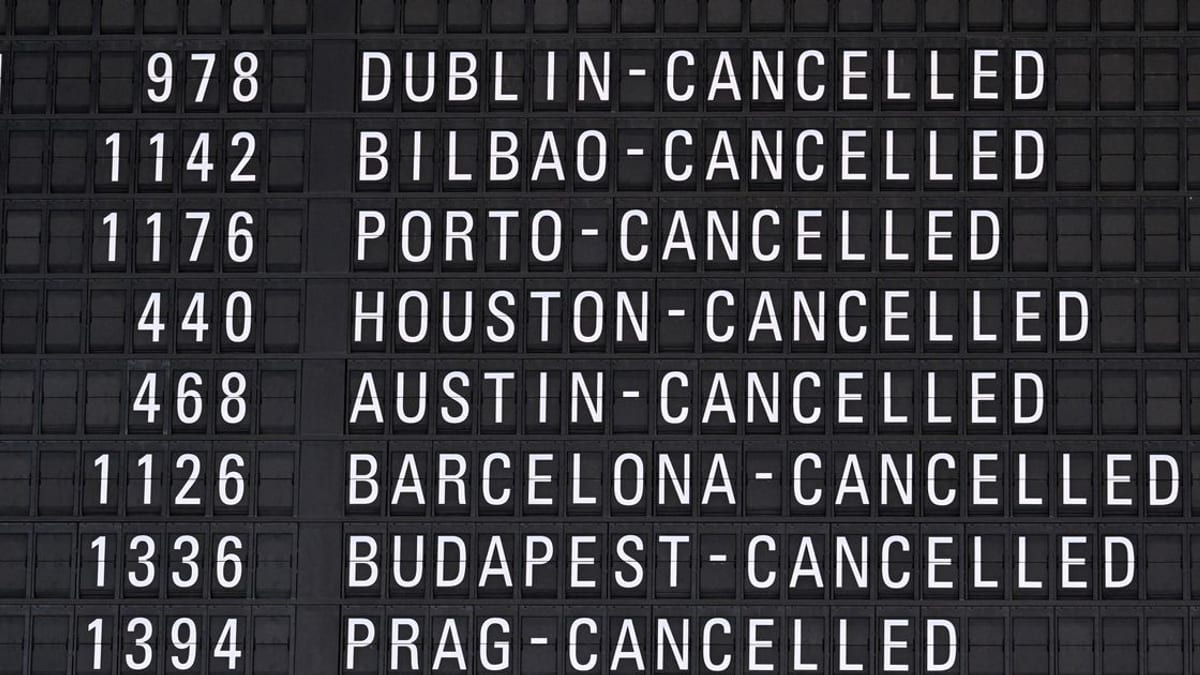
Jet Fuel Surge Piles Pressure on Airline Operations
Jet fuel prices have climbed sharply in recent weeks, driven largely by turmoil in the Middle East and shipping disruptions around the Strait of Hormuz. Industry fuel monitors show average jet fuel prices now close to multi‑year highs, with some regions reporting increases of more than 80 percent compared with late February. Analysts describe the current spike as one of the most abrupt in recent aviation history.
Aviation industry outlooks for 2026 published in March highlighted fuel as the single biggest variable for airline performance this year. Global consumption is projected to exceed 100 billion gallons, meaning even small per‑gallon increases translate into billions of dollars in additional costs. With many carriers no longer hedging fuel to the same extent as in previous decades, the latest price shock is flowing directly into operating budgets.
Financial institutions tracking airline stocks have recently trimmed earnings forecasts across the sector, citing both higher fuel and the possibility of capacity reductions if prices remain elevated. Research notes from major banks in early April point to a pattern emerging from previous energy shocks: discretionary leisure routes, particularly marginal long‑haul services, are the first to be thinned or temporarily withdrawn.
Travel planners say this combination of rising costs and the risk of schedule cuts is creating an unusually uncertain backdrop for families now locking in summer and late‑year holiday trips.
Early Signs: Higher Fees, Surcharges and Capacity Cuts
Airline responses to the fuel spike are beginning to filter through to travelers in the form of higher fees and selective schedule changes. Several large U.S. carriers have raised checked baggage charges for the first time in years, explicitly linking the move to more expensive jet fuel and broader cost pressures. Budget carriers on both sides of the Atlantic are also reviewing ancillaries and fare structures as they attempt to protect thin margins.
In Asia, recent notices from major airlines have detailed substantial increases in fuel surcharges on international tickets. Hong Kong‑based carriers, for example, have announced double‑digit percentage rises on some routes, noting that fuel now accounts for roughly one‑third of their total operating costs. Similar adjustments have been reported among Chinese and Southeast Asian airlines, where authorities have warned that constrained supplies of Jet A‑1 could affect domestic operations if market conditions deteriorate further.
Some network airlines are already trimming flying programs. Publicly available information from national regulators and carrier timetables indicates that selected regional and long‑haul flights in the Pacific and Southeast Asia have been canceled or consolidated to conserve fuel and manage costs. In other cases, airlines are deploying smaller aircraft or reducing flight frequencies on secondary routes that rely heavily on price‑sensitive leisure demand.
While these changes remain modest compared with the wholesale shutdowns seen during the pandemic era, analysts caution that further fuel escalation could force deeper cuts, bringing more widespread disruption into the core of the summer holiday period.
Global Hotspots and Knock‑On Effects for Travelers
The fuel shock is not evenly distributed, and several regions stand out as potential flashpoints for holiday disruptions. European aviation briefings released in March reported jet fuel prices up close to 90 percent over a two‑week period, raising concerns for carriers that enter the busy Mediterranean leisure season with little pricing power on highly competitive routes.
In parts of Asia and the Pacific, fuel supply itself has become a concern. Authorities in some markets have issued statements noting heightened risks of shortages, prompting local airlines to review their operating scale and prioritize core trunk routes. In the Philippines, energy market tension linked to the Iran conflict has already contributed to transport strikes and selective route suspensions by major carriers, while several Pacific airlines have cut flights to conserve fuel reserves.
North America is somewhat cushioned by domestic oil production, but U.S. carriers are still facing sharply higher jet fuel bills. Industry commentary suggests that, if current trends continue, fares on some routes could rise by low double‑digit percentages over coming months. Analysts also warn that smaller and ultra‑low‑cost carriers, which depend on high aircraft utilization and dense leisure traffic, are more exposed to volatility and could be forced into more aggressive schedule adjustments.
For travelers, these regional stress points increase the likelihood of knock‑on disruption, especially where aircraft and crews are rotated across multiple international legs. A fuel‑related cancellation on one side of the network can ripple through to holiday destinations thousands of miles away.
What Holidaymakers Can Expect in 2026
Advance indicators for 2026 suggest that demand for leisure travel remains robust, even as fuel costs rise. Booking data cited in recent coverage by travel and airline companies points to strong reservations for summer and winter holidays, including on long‑haul beach and city‑break routes. This resilience means airlines are under pressure to operate as much capacity as possible, despite the squeeze on margins.
However, the same data implies that peak travel dates are likely to feel the greatest strain if fuel prices climb further. On these days, carriers have fewer options to swap aircraft or reroute passengers without creating cascading delays. Industry observers expect airlines to build more slack into schedules, which can help reliability but may also lead to timetable changes and retimed departures as the season approaches.
Travel analysts say the most visible impact for many holidaymakers may come through higher total trip costs rather than outright trip cancellations. Increased surcharges, revised luggage policies and more restrictive lowest‑tier fares are emerging as common responses to the fuel shock. Package providers and tour operators are also monitoring the situation, with some reserving the right to pass on additional fuel charges if airlines implement further increases.
Households planning major trips at the end of 2026 could face the most uncertainty. If geopolitical tensions ease and fuel markets stabilize, airlines may restore capacity and moderate fares. If not, additional cost‑saving measures, including deeper off‑peak schedule cuts and more aggressive dynamic pricing, could follow.
How Travelers Can Prepare for Potential Disruptions
Consumer advocates and travel strategists are advising passengers to factor the fuel situation into their planning. Flexible tickets, while more expensive upfront, can offer valuable protection if airlines consolidate flights or alter timetables. Booking the first flight of the day on busy routes, leaving longer connection times and avoiding tight layovers are among the tactics being recommended to reduce exposure to cascading delays.
Experts also highlight the importance of understanding each airline’s policies on schedule changes and cancellations. Publicly available contract‑of‑carriage rules differ significantly between carriers, particularly on non‑refundable basic economy fares that have become common on leisure routes. Travelers may wish to pay close attention to whether future fuel surcharges are explicitly mentioned in fare terms.
Travel insurance with robust trip interruption and travel delay benefits is another tool being promoted more heavily as volatility returns to the fuel market. Policies that cover additional accommodation, meals and rebooking costs if flights are canceled or substantially delayed can mitigate the financial impact of disruption, even if they cannot prevent it.
For now, the message from analysts tracking the aviation and energy sectors is that holidaymakers should monitor developments in fuel prices and airline schedules closely in the coming weeks. While the situation remains fluid, the direction of travel on costs is clear, and 2026’s holiday season could prove more complicated for air passengers than earlier forecasts had suggested.