

More news on this day
Rising jet fuel prices are triggering sweeping adjustments across Vietnam’s aviation sector, with carriers cutting flights, considering fuel surcharges and warning of pressure on earnings just as regional travel demand remains robust.
Get the latest news straight to your inbox!
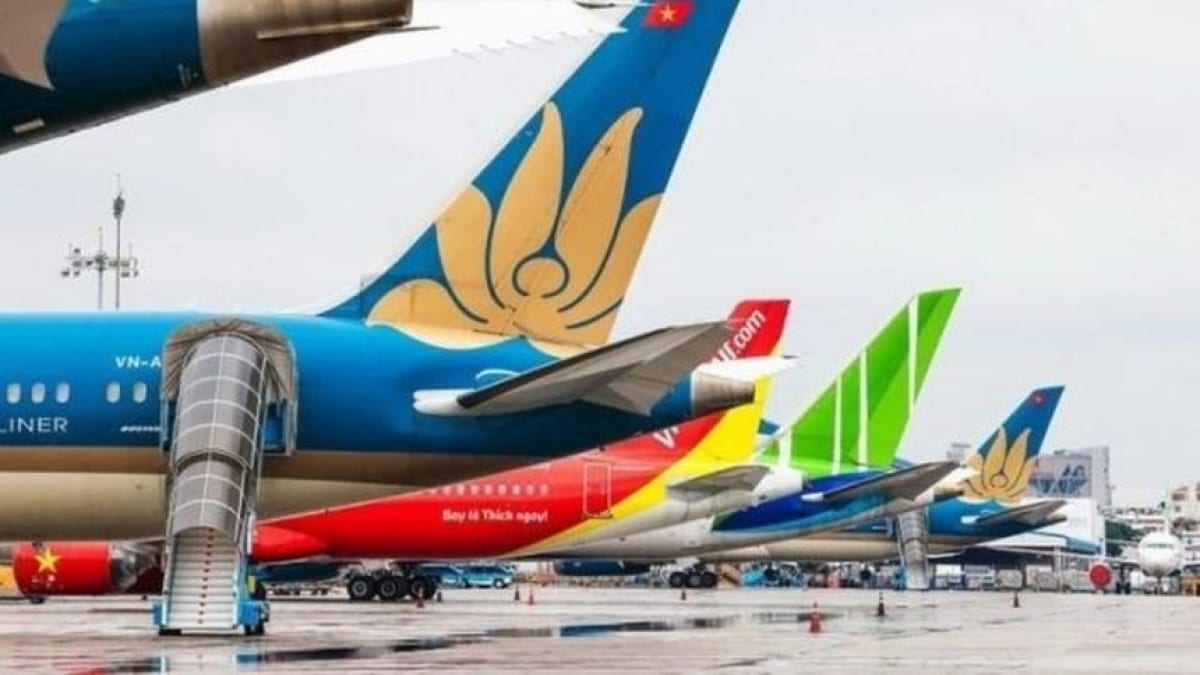
Image by VIR
Jet fuel shock ripples through Vietnam’s skies
Data from industry monitors indicate that global jet fuel benchmarks have nearly doubled since late February 2026, with average prices approaching 200 dollars per barrel by late March. Reports attribute the surge to heightened geopolitical tensions in the Middle East, higher refining costs and war risk premiums on shipping, all of which have tightened supply and driven up the cost of Jet A-1 fuel worldwide.
In Vietnam, published information from the Civil Aviation Authority of Vietnam (CAAV) shows that Jet A-1 prices in regional markets climbed into the 190 to 200 dollar per barrel range in March, with spot assessments briefly exceeding 230 dollars per barrel. Physical premiums on aviation fuel cargoes have also widened, further increasing the price airlines pay at the airport.
Fuel typically accounts for around 35 to 40 percent of an airline’s operating expenses in Vietnam. At current price levels, regulators estimate that carriers face cost inflation of about 40 percent compared with pre-crisis conditions, eroding margins even as passenger demand for both domestic and international travel remains strong.
The Vietnam Investment Review and other local outlets report that, as a result, airlines are reassessing their flight plans for the second quarter of 2026 and preparing for a period of constrained capacity and heightened financial strain.
Carriers trim domestic routes and capacity
Publicly available schedules and regulatory notices show that Vietnam’s airlines are responding first by cutting capacity on fuel-intensive or less profitable routes. National flag carrier Vietnam Airlines plans to suspend several domestic routes from April 1, including links from Hai Phong’s Cat Bi Airport to Buon Ma Thuot, Cam Ranh, Phu Quoc and Can Tho, as well as services from Ho Chi Minh City to Van Don, Rach Gia and Dien Bien.
The CAAV has indicated that, depending on how fuel prices evolve between 160 and 200 dollars per barrel in the second quarter, the airline could cut between 700 and 1,700 round-trip flights per month, equivalent to roughly 10 to 20 percent of its planned output. Other carriers, including Vietjet and Pacific Airlines, are reported to be scaling back frequencies on selected domestic and regional routes and consolidating flights during off-peak times to concentrate traffic onto fuller aircraft.
These adjustments are intended to preserve cash and maintain load factors as fuel bills rise. Industry commentary suggests that airlines are prioritizing core trunk routes such as Hanoi to Ho Chi Minh City and key tourism corridors while trimming thinner services to secondary cities and island destinations that are more vulnerable to high operating costs.
For passengers, the immediate effect is reduced choice and the possibility of schedule changes or rebooking, particularly on routes with historically lower demand. Travel planners warn that travelers may find fewer nonstop options and less flexibility in departure times during the coming months.
Regulators weigh fuel surcharges and tax relief
With carriers warning that cost pressures could undermine recovery in the sector, Vietnam’s aviation regulators are exploring policy measures aimed at cushioning the impact of high fuel prices. According to published coverage of recent meetings between the CAAV, airlines and fuel suppliers, proposals include temporary tax relief on aviation fuel and permission to add flexible fuel surcharges to domestic airfares.
The CAAV has suggested a full exemption from environmental protection tax on aviation fuel until the end of May 2026 and a reduction in value-added tax on jet fuel from the standard 10 percent rate to a lower level deemed more appropriate for the current crisis. These measures are intended to offset part of the sudden cost increase without passing the full burden onto ticket buyers.
At the same time, regulators have proposed allowing airlines to apply a dedicated fuel surcharge on domestic tickets that would be adjusted in line with movements in Jet A-1 prices. Publicly available summaries of the proposal indicate that such surcharges would be capped and reviewed regularly, aiming to balance airline solvency with consumer protection.
While no final decisions have been announced, industry analysts note that similar mechanisms are already in place in several regional markets, where surcharges are raised or lowered in predefined bands as oil prices move. The debate in Vietnam is now centered on how quickly such tools should be deployed and how they might interact with existing domestic fare caps.
Earnings outlook darkens despite strong demand
For airline balance sheets, the timing of the fuel shock is particularly challenging. Vietnamese carriers entered 2026 expecting continued recovery in passenger volumes, supported by steady tourism inflows and growing regional trade travel. Brokerage reports from late 2025 generally anticipated stable or even easing jet fuel costs this year, creating expectations of improving margins and stronger earnings.
The rapid reversal in fuel trends since late February has upended those assumptions. Updated sector commentary now points to compressed operating margins, with higher unit costs likely to outweigh revenue gains from robust load factors on many routes. Low-cost carriers that rely on high aircraft utilization and tightly controlled expenses face particular pressure, as a large share of their cost base is tied directly to fuel.
Some larger regional airlines with access to financial derivatives may benefit from fuel hedging strategies that lock in part of their consumption at lower prices. However, publicly available information suggests that not all Vietnamese carriers have extensive hedge books, leaving them more exposed to spot market volatility. For these airlines, each additional dollar on the per-barrel fuel price feeds quickly into their income statements.
Equity research notes and investor commentary across Asia reflect rising concern that war-driven fuel costs could delay deleveraging plans, constrain fleet expansion and slow the pace at which airlines can restore dividends or repay state support obtained during the pandemic years.
Travelers face higher fares and growing uncertainty
For travelers in and out of Vietnam, the fuel-driven shake-up is beginning to translate into higher airfares and more uncertainty around future bookings. Even before any formal domestic fuel surcharges are approved, published fare data on several routes indicate modest increases in base ticket prices, particularly for last-minute bookings and peak travel periods.
Travel agents report that some leisure travelers are bringing forward bookings or seeking alternative routes through neighboring hubs in the hope of securing lower fares before any broader price adjustments take effect. Others are choosing to delay discretionary trips in response to rising costs, a trend that could ultimately feed back into airlines’ revenue forecasts.
Airport operators and tourism-dependent provinces are monitoring the situation closely. Reductions in flight frequencies to beach destinations and smaller cities could weigh on local visitor numbers if sustained, although pent-up demand from domestic tourists may provide some cushion in the near term.
Industry observers note that the trajectory of fuel prices in the coming months will be critical. A stabilization or retreat in jet fuel benchmarks could allow airlines to restore some capacity and ease back from the most aggressive cost-saving measures. Prolonged volatility, by contrast, would keep pressure on fares, earnings and network planning throughout the summer peak and into the end of 2026.