

More news on this day
Travelers around the world are being hit with fast-rising costs as the war involving Iran and its neighbors disrupts Middle East oil supplies, sending fuel prices sharply higher and rippling through airfares, hotel rates, and local transportation budgets.
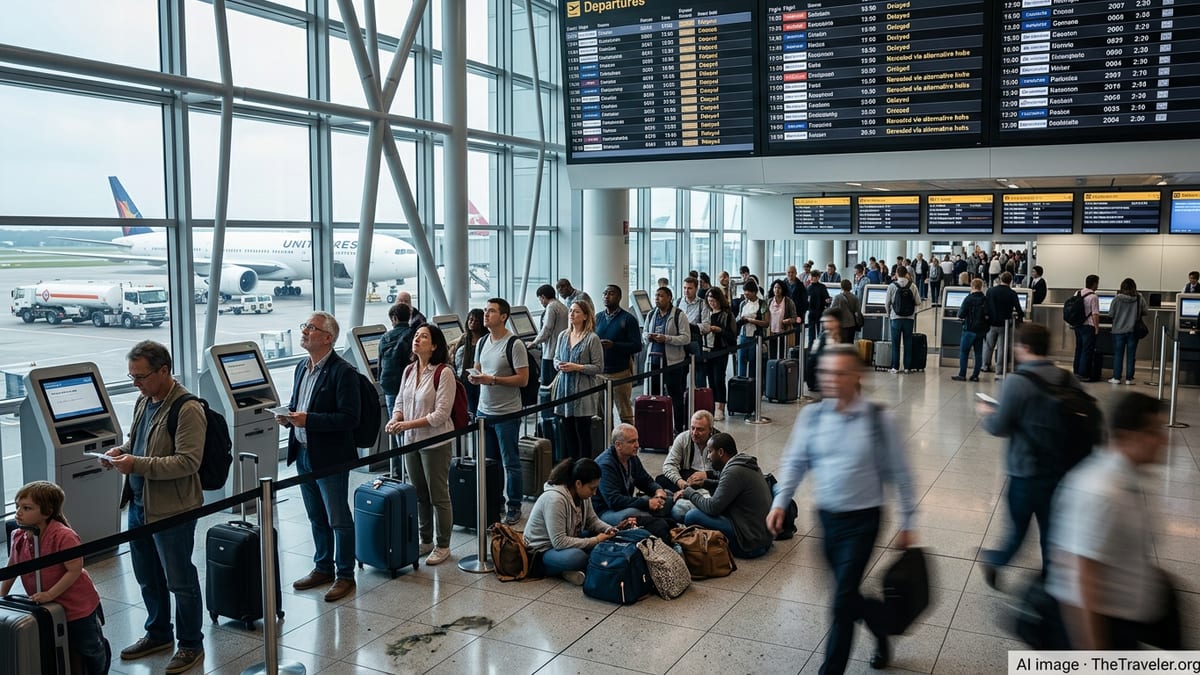
Oil Shock From Middle East Conflict Ripples Through Tourism
The latest escalation of conflict centered on Iran has quickly become an energy and transport crisis, with war damage and security fears disrupting shipping and refinery operations across the Gulf. Tankers are facing heightened risks around the Strait of Hormuz, a chokepoint that handles a significant share of global seaborne oil and gas, and insurers are raising premiums on vessels transiting the area. The result has been a sudden spike in crude benchmarks such as Brent, now trading around the low-80s per barrel after jumping more than 10 percent in a matter of days.
Higher crude prices are feeding directly into the cost of refined products, including jet fuel and diesel used by airlines, cruise lines, tour buses and rental car fleets. Analysts warn that if the disruption persists or expands, today’s jump in prices could evolve into a broader inflationary shock, reviving pressures that many economies had only just started to tame after the pandemic and the war in Ukraine.
Tourism-dependent economies in Europe, Asia and the Middle East itself are particularly exposed. Many are net importers of energy and heavily reliant on long-haul air connectivity and cruise traffic. Governments and central banks now face an uncomfortable trade-off between protecting consumers from another surge in living costs and keeping fiscal and monetary policy on track.
Airlines Raise Fares as Jet Fuel and Rerouting Costs Climb
Air travel is bearing the brunt of the immediate impact. Airlines worldwide are contending with a double hit: jet fuel prices have leapt to multi‑year highs at the same time that swathes of airspace over Iran, Iraq, the United Arab Emirates and neighboring states have been closed or severely restricted. Carriers flying between Europe and Asia, or between North America and destinations in South and Southeast Asia, are being forced into longer flight paths that add fuel burn, crew hours and operational complexity to every journey.
Industry analysts estimate that rerouting widebody aircraft around closed corridors is adding tens of thousands of dollars in operating costs per long‑haul flight. These added expenses are already being passed to passengers through higher base fares, new fuel surcharges and tighter availability of the lowest ticket classes. Many airlines had only just rebuilt their finances after the pandemic, and with investors reacting sharply to higher fuel bills, executives are under pressure to protect margins through pricing.
The disruption to Gulf super‑hubs such as Dubai, Doha and Abu Dhabi is amplifying the shock. Thousands of flights have been cancelled or diverted since the conflict flared, effectively choking some of the world’s busiest transit points linking Europe, Africa, Asia and Oceania. With capacity temporarily removed from the system and replacement routings still being stitched together, travelers searching for seats on key intercontinental routes are seeing steeper prices and fewer options, particularly in premium cabins.
Forward-looking fare data suggests that economy prices on many Europe–Asia and North America–South Asia routes are already running well above levels seen earlier this year, with further increases likely if fuel remains elevated into the northern summer. Low‑cost carriers, which rely on thin margins and high utilization, appear especially vulnerable and may trim schedules or ancillary discounts, limiting bargain opportunities.
Hotels, Cruises and Ground Transport Confront Soaring Operating Costs
The price shock is not confined to the skies. On the ground and at sea, travel operators are grappling with higher energy bills and more expensive logistics. Hotels are facing rising electricity and heating costs, as well as fuel surcharges from suppliers and food distributors. In popular sun destinations and city breaks alike, major chains and independent properties are selectively lifting nightly rates, trimming discount campaigns and adding seasonal energy surcharges to group and corporate contracts.
Cruise lines, whose fuel consumption is highly sensitive to oil markets, are also recalibrating. Many had locked in part of their fuel needs through hedging strategies, but sustained higher prices are eroding those buffers. Analysts expect to see more dynamic pricing on itineraries that depend heavily on fuel‑intensive repositioning voyages, as well as reduced onboard discounts and more aggressive yield management on cabins with strong demand.
Local transportation is another pressure point. From airport taxis to ride‑hailing services, coach tours and rental cars, operators in many markets adjust tariffs in line with fuel costs, often with a lag. As gasoline and diesel prices climb following crude, visitors can expect higher metered fares, fuel surcharges on long transfers, and steeper prices for car hire, particularly in destinations where fleets must be repositioned over long distances. In some cities, public transport authorities are already warning that sustained energy increases could lead to higher ticket prices later in the year if subsidies are not expanded.
These combined pressures mean that the total cost of a trip is rising faster than headline airline fares alone would suggest. Travelers may find that while they can still secure relatively affordable flights by booking early or choosing indirect routes, the overall bill for hotels, transfers, tours and dining ends up significantly above what similar itineraries cost just a few months ago.
Regional Winners, Losers and Shifting Demand Patterns
The impact of the oil shock and conflict‑related disruption is not evenly spread across the map. Gulf destinations that marketed themselves as global stopover hubs and luxury tourism centers are currently suffering from airspace closures and security concerns, with short‑term declines in visitor numbers and conference bookings. Nearby leisure destinations in the eastern Mediterranean and North Africa are also experiencing cancellations from risk‑averse travelers and tour operators.
Further afield, however, some countries may see a partial benefit as demand is redirected. European city breaks accessible by rail, and regional tourism within North America and parts of Asia, could gain from travelers choosing shorter, point‑to‑point journeys that avoid disrupted corridors and reduce exposure to higher long‑haul fares. Analysts in Asia have flagged that oil‑importing destinations such as Thailand and India could face a squeeze if higher fuel costs deter inbound visitors while also raising expenses for domestic tourism.
Currency movements are adding another layer of complexity. In many emerging markets that rely on imported energy, weaker currencies magnify the local impact of dollar‑denominated oil, forcing tourism businesses to choose between raising prices for foreign guests or absorbing some of the cost. At the same time, oil‑exporting economies benefiting from higher revenues may see stronger currencies, which can make them more expensive for international visitors even before local price adjustments.
Travel patterns are already starting to reflect these dynamics. Early booking data and agency feedback point to growing interest in nearer‑to‑home trips, alternative hubs that avoid the Gulf, and shoulder‑season travel when prices are slightly softer. Corporate travel managers are reviewing routing policies and class‑of‑service rules, while tour operators are renegotiating hotel allotments and transport contracts to lock in capacity before further increases take hold.
What Travelers Can Expect in the Months Ahead
While the trajectory of both the conflict and oil prices remains uncertain, most forecasters now assume that energy markets will stay volatile for at least the next few months. Even if crude retreats from today’s highs, airlines, hotels and transport providers are unlikely to reverse price increases quickly after years of margin pressure and rising labor costs. Travelers planning major trips for late 2026 should therefore budget cautiously and assume that last‑minute bargains will be rare on popular routes and during peak seasons.
Industry experts advise booking long‑haul flights earlier than usual, being flexible on dates and routings, and watching for fuel surcharges that may not appear in headline fares. For accommodation, locking in cancellable rates before further adjustments, or considering alternative neighborhoods and midscale properties, can help keep budgets in check. Rail and coach options, where available, may become more attractive as substitutes for regional flights that have seen the steepest fare hikes.
For travel businesses, the challenge will be to balance cost recovery with demand preservation. After several years of shocks, from the pandemic to inflation and now the Iran war, consumer tolerance for higher prices is limited. Many operators are experimenting with more granular pricing, offering stripped‑back base products with optional add‑ons, or bundling services to spread costs more smoothly. Loyalty schemes and targeted promotions are likely to play a greater role in steering demand to off‑peak dates and less congested routes.
Ultimately, the extent to which today’s oil‑driven price spike reshapes global travel will depend on how long the conflict disrupts supply routes and how quickly energy markets stabilize. For now, what is clear is that the era of relatively cheap, easily routable global travel has been interrupted once again, and both travelers and the tourism industry are being forced to adapt at high speed.