

More news on this day
Travellers planning European getaways in 2026 are being squeezed from both sides, as Switzerland and dozens of other countries across the continent grapple with surging tourism costs just as Canada confirms a new round of passport fee increases taking effect on March 31, 2026.
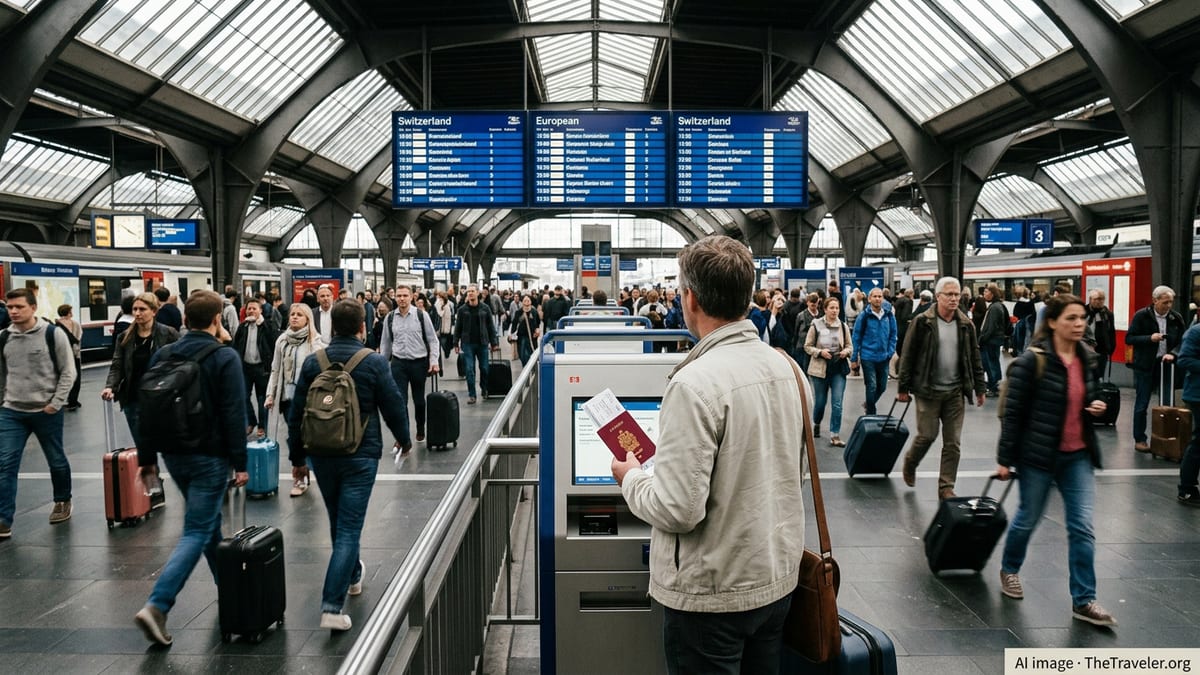
Switzerland’s Tourism Boom Meets a New Price Reality
Long regarded as one of Europe’s priciest destinations, Switzerland is seeing travel costs climb even further as strong demand, higher operating expenses and a tightening housing market in resort regions filter through to visitors’ wallets. Official data show tourism expenditure in and to Switzerland continued to grow in 2024, with Swiss residents spending more abroad and foreign guests pushing tourism revenues in the country higher, a trend that has carried into the current winter season.
In the mountains, the shift is especially visible. A new multi-resort Alps Pass, valid across major ski areas including Adelboden-Lenk, Aletsch Arena, Engelberg-Titlis and the Jungfrau Ski Region, now costs 949 francs for adults when bought in advance, around 100 francs more than its predecessor product. Operators point to steep infrastructure investments and energy and staffing costs as key drivers behind the increases, with roughly two in three season passes in some regions becoming more expensive this winter.
Property prices in Swiss tourist hotspots are adding another layer of pressure. An analysis by consulting firm Wüest Partner recently found that prices for second homes in key resort regions have surged by roughly 46 percent on average since early 2020, vastly outpacing the broader housing market. That has raised concerns about affordability for locals, but it also feeds into higher accommodation and service prices for international visitors, particularly in marquee destinations in Central Switzerland and Graubünden.
For travellers, the result is a noticeable uptick in the cost of classic Swiss experiences, from chalet stays and ski passes to alpine rail journeys. While competition among mountain railways has so far kept many day passes just below the psychologically important 100-franc mark in several resorts, industry analysts warn that continued wage, energy and construction cost pressures could make further price adjustments likely over the coming seasons.
Europe-Wide Trend: Popular Destinations Grow More Expensive
Switzerland is far from alone. Across Europe, governments and travel industry analysts report that the overall cost of holidays has risen sharply compared with pre-pandemic norms, as inflation, energy prices and capacity constraints feed into airfares, hotel rates and local services. Germany, Denmark, Ireland, Hungary, Poland and Romania are among more than three dozen European countries where travellers are feeling the strain of higher prices this year.
Package and insured trip data compiled by travel insurers and booking platforms suggest that average summer trip costs to many European destinations are up by double digits compared with recent years. Even countries traditionally seen as budget-friendly options, including Poland and parts of Central and Eastern Europe, have registered notable increases in the overall cost of week-long holidays once accommodation, transport and on-the-ground spending are factored in.
In Western and Northern Europe, travellers face a mix of higher hotel rates in major cities, elevated restaurant and service prices due to wage growth, and seasonal surcharges in popular resort regions. Ireland and Germany, which both rank among North Americans’ preferred first-time European destinations, have seen accommodation prices pushed up by strong demand in major hubs such as Dublin, Berlin and Munich.
At the same time, governments across the continent are reassessing tourism policies as they balance the revenue benefits of strong visitor numbers with pressure on housing, infrastructure and local communities. That recalibration includes rising city taxes, adjustments to value-added tax on hospitality in some markets and stricter rules on short-term rentals, all of which can indirectly add to the final bill for foreign guests.
Canada’s Passport Fee Hike Set for March 31, 2026
On the other side of the Atlantic, Canadians planning to join the flow of visitors to Europe will soon pay more before they even leave home. Ottawa has confirmed that passport and travel document fees will rise on March 31, 2026, marking the first adjustment in more than two years and the start of a new annual inflation-linked pricing regime.
The federal government is amending the Passport and Other Travel Document Services Fees Regulations so that charges are updated each year in line with the national consumer price index, rather than through occasional one-off changes. Based on a 2.7 percent inflation reading from April 2024, officials and industry analysts estimate that the fee for a standard 10-year adult passport issued within Canada will move from about 120 dollars to roughly 123 dollars, while the cost of a five-year passport and child documents will also increase modestly.
Canadians applying for passports abroad face steeper base fees that are likewise subject to the new indexation. For example, the current charge for a 10-year adult passport processed outside Canada and the United States is 260 dollars, according to government schedules updated in January, and will be adjusted upward at the end of March to reflect the same inflation factor. Service charges for lost or stolen passport replacements and certain administrative services are also subject to separate increases under broader federal cost-recovery rules.
The changes are part of a wider federal review of the passport program’s finances. Impact statements from Immigration, Refugees and Citizenship Canada indicate that the existing formulas have not covered a significant share of operating costs, prompting the move toward regular, predictable adjustments. Officials stress that the Canadian passport remains one of the world’s strongest travel documents by global ranking, but acknowledge that delivering secure, modern passports has become more expensive.
Travellers Adjust Plans as Costs Stack Up
For many would-be visitors to Europe, the combination of pricier destinations and higher administrative costs at home is forcing a re-think of travel budgets. Travel insurance firms report that North American customers are increasingly sensitive to total trip cost and are looking more closely at coverage options that protect non-refundable expenses, particularly for long-haul itineraries that include multiple European stops.
Some agents are steering clients toward shoulder-season departures in spring and autumn, when airfares and nightly rates can be lower than in peak summer, even as base prices trend upward. Others are highlighting less expensive urban gateways in countries such as Poland or secondary cities in Germany and Ireland, from which travellers can connect by rail or low-cost carrier to more expensive hubs.
Within Switzerland, tourism boards are promoting regional passes, dynamic pricing on rail and cable cars, and bundled offers designed to soften the impact of higher rack rates. While such tools can still unlock relative savings, they do not fully offset the structural rise in accommodation, transport and service costs that has taken hold over the past several years.
For Canadian travellers in particular, experts recommend factoring the March 31 passport fee increase into pre-trip budgeting, especially for families where multiple documents may need renewal ahead of summer or autumn departures. With both the cost of getting a passport and the price of using it on the rise, 2026 is shaping up as a year when careful planning and flexible expectations will be essential for those determined to keep Europe on their travel map.
What Rising Costs Mean for Europe’s Tourism Outlook
Despite the mounting expenses, tourism forecasters remain cautiously optimistic about Europe’s visitor numbers for 2026, pointing to resilient demand from North America and Asia and a continuing shift in spending priorities toward experiences and international travel. Switzerland, which has reported record overnight stays from United States visitors and strong momentum heading into 2025, is widely expected to remain a top destination for higher-spending long-haul guests.
However, analysts also warn that persistent cost increases could change the profile of visitors over time, skewing more heavily toward affluent travellers while pricing out some middle-income households, particularly for peak-season mountain and city breaks. In Swiss resorts where second-home prices and hotel development costs have soared, local officials face the challenge of preserving year-round communities while continuing to welcome international guests.
Elsewhere in Europe, the pressure on housing markets in tourist-heavy cities like Dublin, Berlin and coastal hubs along the Adriatic and Mediterranean is prompting discussions about caps on short-term rentals, higher tourist levies and incentives to spread visitors more evenly across regions and seasons. Such policies aim to sustain tourism’s economic benefits while moderating its impact on residents, but they may also contribute to a more complex and sometimes costlier landscape for travellers to navigate.
For now, the message to travellers is clear: European escapes in 2026 are still very much possible, but they are rarely as cheap as they once were. From upgraded lifts in the Swiss Alps to inflation-linked passport fees in Canada, the true cost of travel is being recalibrated, and those planning cross-border journeys will need to budget with a sharper pencil than before.