

More news on this day
US-bound and outbound travelers planning trips to Europe, Asia and the Middle East are being warned to brace for higher ticket prices as surging jet fuel costs and geopolitical tensions squeeze airline budgets on long-haul routes.
Get the latest news straight to your inbox!
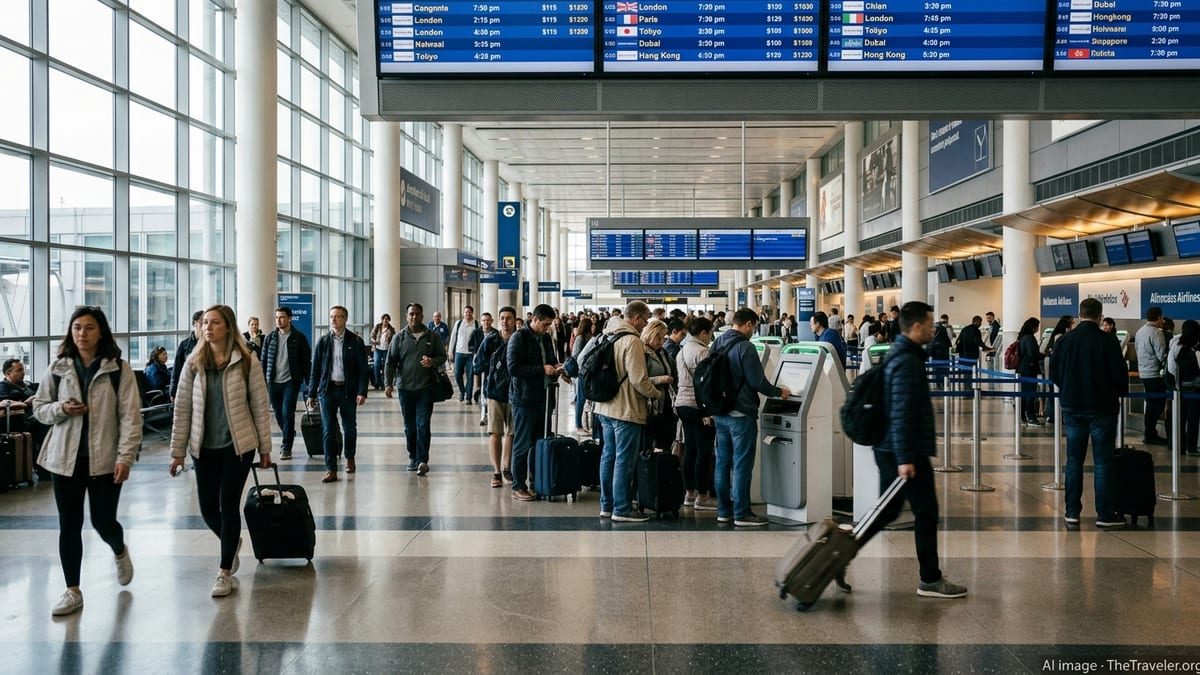
Fuel Prices Surge on Global Supply Shocks
Jet fuel, which typically accounts for around a quarter to nearly a third of an airline’s operating costs, has climbed sharply in recent weeks, reversing the relative relief carriers enjoyed through much of 2025. Industry fuel monitors show benchmark jet fuel prices almost doubling since early January 2026, closely tracking a spike in crude oil after renewed conflict in the Gulf region and disruptions around the Strait of Hormuz, a key chokepoint for global energy shipments.
Publicly available data from international aviation bodies indicate that fuel price volatility has intensified since late February, when the latest Middle East crisis began to disrupt oil flows. Analysts note that even modest, short-lived jumps in fuel prices can translate into hundreds of millions of dollars in additional costs for large airline groups, with the impact felt fastest on long-haul intercontinental routes that consume the most fuel per flight.
Reports on the US airline sector show that carriers are already paying more per gallon for aviation fuel compared with late 2025, even as overall consumption has nudged lower due to schedule adjustments and capacity constraints. At the same time, Asia-Pacific and European airlines are facing a similar squeeze, as many rely on fuel supplies priced off the same benchmarks and are exposed to the same shipping disruptions.
Industry commentary suggests that the sudden climb in fuel costs is particularly challenging because it comes on top of existing pressures, including aircraft delivery delays, higher labor costs and the expense of investing in more fuel-efficient and lower-emission fleets. That combination is limiting airlines’ ability to absorb fuel shocks without passing some of the burden on to passengers.
How Higher Fuel Costs Feed Into Airfares
For travelers, the key question is how quickly higher fuel prices show up in ticket costs. Airlines use a mix of tools to manage volatility, including fuel hedging, flexible capacity and dynamic pricing, but these can only soften the impact. When fuel rises rapidly and stays elevated, fares on the most fuel-intensive routes, especially long-haul flights from the US to Europe, Asia and the Middle East, tend to climb.
Recent financial disclosures and industry analysis highlight that some European airlines anticipate average ticket increases of close to 8 to 9 percent if oil and jet fuel remain at current elevated levels. Separate coverage of Asia-Pacific carriers indicates that published fares on certain Europe–Asia routes have already risen in double-digit percentages, reflecting both fuel costs and rerouting around restricted Middle East airspace.
Although US airlines vary in their approach to fuel hedging, the broader trend points in the same direction: higher operating costs are pushing up the floor for profitable ticket pricing. Airlines may not always describe increases as “fuel surcharges,” but travelers often see the effect in higher base fares, smaller discounts during sales periods, and more aggressive use of demand-based pricing on peak travel dates.
Because long-haul flights burn more fuel and offer fewer opportunities to spread costs over multiple segments, price changes are often most visible on transatlantic and transpacific itineraries and on routes linking North America with major Gulf and Asian hubs. Economy-class fares typically rise first, and premium cabins can see even sharper jumps when demand remains strong and seat supply is constrained.
Routes to Europe, Asia and the Middle East Under Pressure
The current fuel spike is amplifying existing imbalances in long-haul networks. Publicly available schedules and aviation analyses show that capacity between North America and Europe had recovered strongly by 2025 and remains relatively robust, but the newest round of cost pressure is prompting carriers to reassess marginal routes and off-peak frequencies.
Travel industry reporting points to higher average fares on popular US–Europe city pairs, particularly for departures around major holidays and summer travel windows. While sale fares still appear for shoulder-season travel, the lowest prices are scarcer and book out quickly, with airlines closely managing how many discounted seats they release on each flight.
On Asia routes, the effect is intensified by rerouting and longer flight times for some services that previously overflew the Middle East or used shorter corridors now affected by conflict. Aviation trackers have documented cases where detours add significant flight time and fuel burn, particularly on services connecting North America and South or Southeast Asia, increasing operating costs even before any change in demand.
For direct travel between the US and the Middle East, reduced frequencies by some carriers, combined with elevated fuel and insurance costs in the region, are adding to price pressure. In some cases, travelers are being re-accommodated via European or Asian hubs, which can introduce additional connections and push up total journey times and costs.
What US Travelers Can Do to Manage Rising Costs
While travelers cannot influence global fuel markets, they can take practical steps to limit the impact of rising fares on their plans. Travel search data and expert commentary consistently show that flexibility remains one of the most effective tools. Flying a day or two earlier or later than planned, or choosing a less popular departure time, can sometimes shave a meaningful amount off long-haul fares, even in a rising-price environment.
Monitoring routes over several weeks rather than making a single quick search can help travelers understand the new baseline for specific city pairs. With airlines adjusting prices frequently in response to fuel and demand, setting fare alerts and being prepared to book when prices dip can be more important than ever for trips to Europe, Asia or the Middle East.
Travelers using frequent-flyer miles or bank points may find that award availability tightens as airlines hold back more seats for revenue sales when operating costs increase. However, miles can still offer good value on routes where cash fares have risen fastest. Some travel analysts suggest prioritizing long-haul redemptions on carriers and dates where cash prices have surged, while remaining flexible on routings and connection times.
Given the possibility of schedule changes in a volatile environment, it can also be useful to pay attention to fare conditions rather than focusing exclusively on headline price. Tickets that allow some flexibility to change dates or routings, even with a fee, may offer better overall value if airlines later adjust timetables or if fuel-driven price spikes ease and more attractive options become available.
Outlook: Volatile Fuel, Uneven Fares
Forward-looking commentary from aviation consultancies suggests that the path of airfares over the rest of 2026 will largely depend on whether fuel prices stabilize or remain volatile. If oil and jet fuel ease back from current highs, some of the most acute price pressure on long-haul tickets could moderate, particularly on competitive routes where multiple airlines vie for US travelers.
However, the combination of geopolitical risk in key energy-producing regions, ongoing aircraft delivery delays and rising costs related to sustainability initiatives means that a full return to pre-pandemic pricing patterns appears unlikely in the near term. Industry projections for 2026 show solid passenger demand, especially on international routes, giving airlines less incentive to discount aggressively even if fuel costs fall somewhat.
For US travelers heading to Europe, Asia or the Middle East, the emerging reality is an airfare environment defined by both higher average prices and sharper swings in day-to-day pricing. Those who plan early, stay flexible on dates and routings, and make disciplined use of loyalty points are likely to be best positioned to navigate the new landscape as fuel costs continue to shape the cost of global travel.