

More news on this day
The 2026 U.S. hotel deal pipeline is accelerating as new ownership of The Ritz-Carlton New York and fresh transactions involving properties such as Hilton DFW Lakes and Laguna Beach’s Hotel Joaquin highlight how investors are repositioning marquee assets and lifestyle boutiques to capture a reshaped luxury travel market.
Get the latest news straight to your inbox!
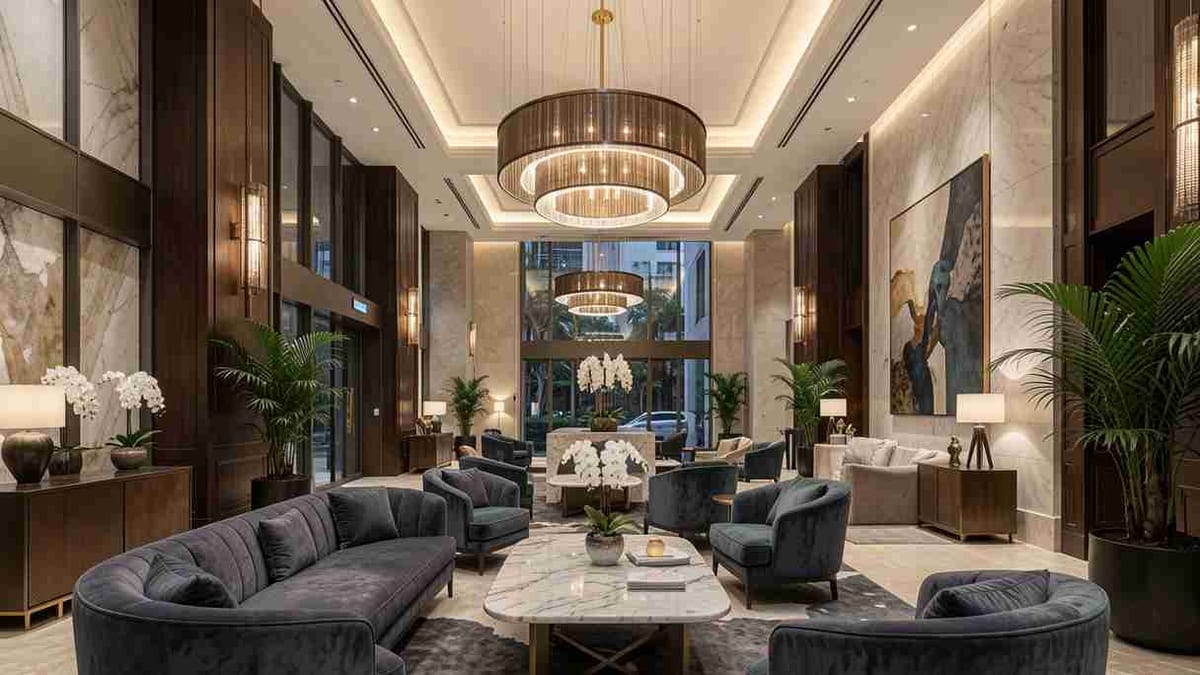
Image by Travel and Tour World – Tourism, Airline, Destination, MICE, Gobal Travel Market, Hotel news that you will find only over here.
A Landmark New York Sale Sets the Tone
The sale of The Ritz-Carlton New York, Central Park to Miami based investor Gencom in early 2026 has emerged as one of the clearest signals that institutional capital is once again willing to write large checks for top tier U.S. luxury hotels. Publicly available information indicates that the 253 key property on Central Park South changed hands at a discount to earlier marketing expectations, but still at a price that reflects enduring appetite for irreplaceable Manhattan real estate.
The acquisition follows Gencom’s recent buying streak in New York, including earlier purchases of InterContinental New York Times Square and Thompson Central Park. Industry coverage notes that these deals, clustered within roughly a 16 month window, give the firm control of a small but influential portfolio of upper upscale and luxury assets in the country’s most scrutinized hotel market.
Analysts observing the transaction point out that the Ritz-Carlton New York deal is less about short term rate growth and more about long horizon control of a global gateway flagship. The hotel’s positioning at the convergence of business travel, high end leisure and branded residence style stays gives the new owner multiple levers for future value creation, from suite reconfiguration to more intensive use of food and beverage and event spaces.
The sale also arrives as other marquee New York assets, including additional Ritz-Carlton branded properties and luxury competitors, continue to draw investor interest. Real estate research firms report that pricing on recent trades spans a wide range, underscoring how brand strength, renovation status and underlying land value can dramatically shift investor underwriting in the post pandemic cycle.
Regional Icons Like Hilton DFW Lakes Draw Strategic Attention
Beyond Manhattan’s trophy towers, secondary and airport adjacent destinations are also attracting fresh capital, and properties similar in scale and profile to Hilton DFW Lakes Executive Conference Center near Dallas Fort Worth International Airport are squarely in focus. Market commentary around 2026 transactions indicates that large, meetings driven resorts with strong corporate and association demand are being reevaluated as group travel normalizes and airlines rebuild long haul capacity.
Hilton affiliated conference properties in major air hubs sit at the intersection of business events, sports travel and weekend leisure, making them appealing to institutional investors seeking diversification away from purely transient city center hotels. Recent investor presentations from listed U.S. hotel owners highlight a distinct pattern: airport and suburban meeting resorts are being repositioned through targeted renovations, upgraded technology and a stronger emphasis on wellness and outdoor amenities.
In the Dallas Fort Worth region specifically, brokers point to solid fundamentals in corporate relocations, logistics and technology, factors that help support midweek occupancy and justify new capital for large scale properties. That backdrop has contributed to expectations that assets like Hilton DFW Lakes can command a premium from buyers looking for stable cash flow paired with upside in banquet and conference business.
While the most closely watched deals remain in coastal gateway markets, the inclusion of conference focused hotels in broader portfolio strategies suggests that the 2026 acquisition cycle is reaching deep into the operational heart of the U.S. meetings economy.
Boutique Gems Such as Hotel Joaquin Recast Lifestyle Travel
On the opposite end of the spectrum from 250 room towers and sprawling conference resorts, intimate lifestyle properties are also changing hands. Local reports from Laguna Beach, California, in late March 2026 show that Hotel Joaquin, a 22 key hilltop hideaway overlooking the Pacific, was acquired by Common Thread Hotels and an affiliated investment group from prior owner Auric Road.
The sale of Hotel Joaquin reflects growing institutional interest in small, design focused hotels that command strong daily rates, especially in drive to coastal markets. Unlike traditional flagged assets, independent boutiques rely heavily on distinctive interiors, curated food and beverage and highly personalized service, attributes that have resonated with travelers seeking quieter, more residential style stays.
The new owner’s portfolio, which already includes several experiential properties, indicates a strategy focused on clustering lifestyle hotels in leisure destinations with year round demand. By aggregating multiple small assets under a common management and branding approach, firms can pursue efficiencies in distribution, revenue management and back office operations while preserving the individuality that guests expect from a boutique stay.
Observers note that the deal volume for niche properties such as Hotel Joaquin is modest in absolute terms compared to big city towers, but the influence on travel trends is outsized. Social media visibility, design awards and word of mouth among affluent travelers can quickly turn a 20 room inn into a destination in its own right, reinforcing investor confidence in this corner of the market.
A Shifting Playbook for U.S. Luxury and Lifestyle Hospitality
The combination of headline deals like The Ritz-Carlton New York and quieter boutique transactions highlights a broad recalibration of the U.S. hotel sector as 2026 unfolds. Research from global brokerage and consulting firms suggests that investment volumes in luxury and upper upscale assets are rebounding, with buyers increasingly focused on properties that can capture both high rated leisure demand and resilient business travel.
Owners are rethinking capital allocation in response. In some cases, that has meant pruning older or non core assets and recycling proceeds into iconic hotels in markets such as New York, Miami and resort heavy parts of Florida and the Southwest. In others, it has involved pursuing mixed use strategies that integrate branded residences, extended stay components or co working style spaces under the same roof as a luxury flag.
For travelers, the practical impact of this deal activity is likely to emerge gradually through refreshed room products, updated restaurants and bars, enhanced spa and wellness offerings and more sophisticated digital tools for booking and in stay personalization. Properties that receive new capital may accelerate room renovations, expand suite inventories or experiment with longer stay packages aimed at remote workers and extended leisure guests.
Industry analysts caution that not every high profile acquisition will translate into visible change for guests in the near term, given the long lead times associated with permitting and large scale construction. However, the direction of travel is clear: investors are betting that travelers will continue to pay a premium for distinctive experiences, prime locations and trusted luxury brands.
What This Means for the Future of High-End Travel
Taken together, the emerging 2026 acquisition landscape, from The Ritz-Carlton New York and conference properties like Hilton DFW Lakes to intimate escapes such as Hotel Joaquin, suggests that the boundaries between traditional luxury, group focused resorts and lifestyle boutiques are blurring. Capital is flowing toward hotels that can occupy multiple demand segments while telling a compelling brand story.
Market observers expect more cross pollination between these categories in the coming years. Luxury flags may incorporate more localized design and independent style restaurants inspired by boutique pioneers, while smaller hotels increasingly seek the distribution advantages and loyalty program access associated with larger platforms and management companies.
For guests, the result is likely to be a richer spectrum of choices within the high end of the market, from Central Park facing suites in reimagined New York landmarks to barefoot luxury at cliffside California inns and large scale resorts fine tuned for sophisticated meetings and incentive programs. As investors continue to reshape portfolios in 2026, these evolving ownership strategies are poised to influence where, how and why travelers experience the next generation of American hospitality.