

More news on this day
Riverside Luxury Cruises is sharpening its focus on flexibility with a growing slate of shorter, mix-and-match river itineraries that signal how modular sailings could reshape the future of cruise travel.
Get the latest news straight to your inbox!
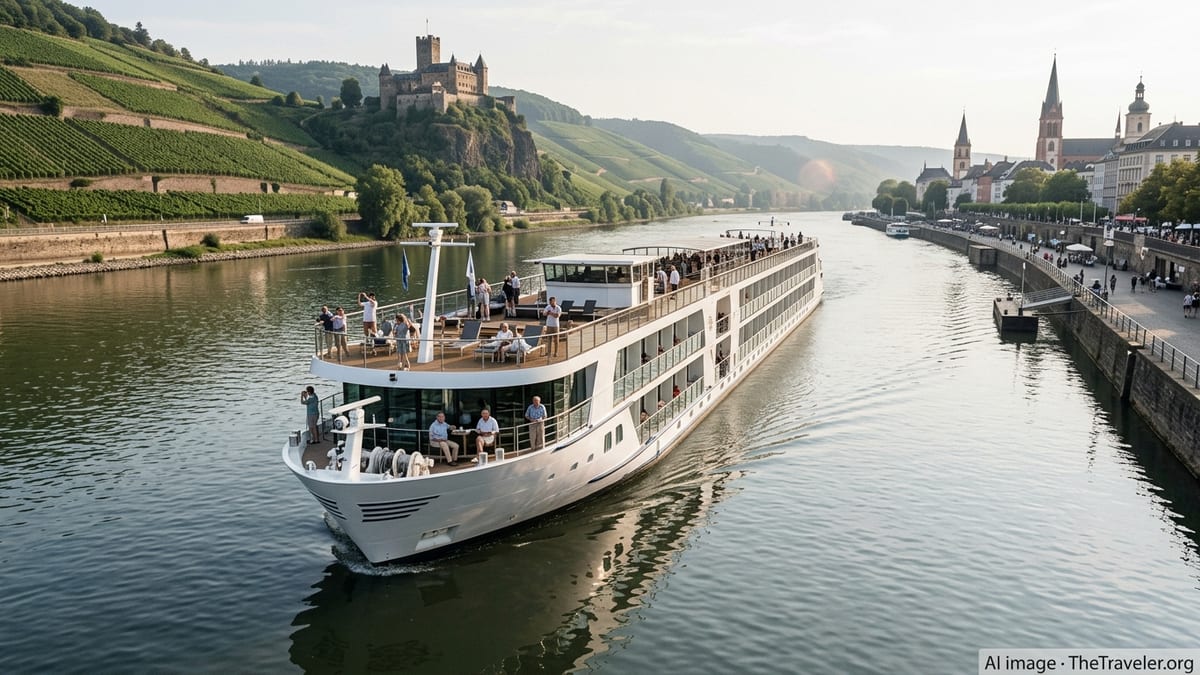
A New Take on the European River Cruise
European river cruising has traditionally centered on fixed, week-long itineraries with little room for customization. Riverside Luxury Cruises, which entered the market in 2022, is increasingly positioning itself as a counterpoint to that model by emphasizing shorter segments, more flexible departures, and a build-your-own-journey mindset across the Danube, Rhine, Rhône, and Saône rivers.
Publicly available information shows that Riverside now markets three- to seven-night sailings alongside longer voyages, widening appeal for travelers who cannot commit to a full week or more on the rivers. Travel trade coverage highlights short itineraries and modular-style segments as a notable part of the brand’s 2025 and 2027 programs, reflecting a broader push toward adaptable river journeys.
This shift is occurring as river cruising attracts a younger and more diverse audience, many of whom prioritize trip tailoring and time efficiency over traditional two-week grand tours. Modular sailings are emerging as a way to meet that demand while still leveraging the line’s focus on high-touch service, spacious suites, and culinary-forward experiences on ships such as Riverside Mozart, Riverside Ravel, and Riverside Debussy.
Industry observers note that Riverside’s emphasis on flexibility dovetails with a wider trend across the cruise sector, where lines are experimenting with combinable itineraries, themed departures, and more granular cruise lengths to better match traveler preferences and work schedules.
How Modular Sailings Work for Riverside Guests
In practice, modular sailings break the traditional river cruise into smaller, bookable components that can stand alone or be combined. Travelers might opt for a three- or four-night segment on the Rhine, then add a connecting voyage on the Danube or Rhône, creating a customized route without the need to manually stitch together separate products or operators.
Brochures and partner agency materials describe Riverside’s portfolio as including shorter itineraries designed as “introductions” to river cruising, alongside extended journeys that link multiple rivers and countries. Some sailings span three weeks across the Danube, Main, and Rhine, while others concentrate on compact regions such as the Netherlands, or southern France between the Rhône and Saône, allowing guests to treat each leg as a modular building block.
The concept also applies to onboard experience. Travelers can personalize port days by choosing from a range of excursions, from wine-focused outings in regions like Burgundy and the Wachau Valley to architecture- and art-driven tours in cities such as Lyon, Vienna, and Strasbourg. Daily excursion choice, combined with optional pre- or post-cruise city stays, adds another layer of modularity to the journey.
For time-pressed travelers, this structure means a long weekend on the rivers is now more feasible than in the past, without sacrificing the hallmarks of a luxury product. Reports from travel advisors emphasize that short Riverside segments can be slotted into broader European itineraries that include land-based stays, rail travel, or independent touring.
Personalized Getaways for Changing Traveler Priorities
As modular sailings become more visible in Riverside’s marketing, they are also reframing how travelers think about river cruises as personalized getaways rather than one-size-fits-all packages. Contemporary river cruisers increasingly value the ability to decide not just where they go, but how intensely they engage with each destination, how long they are away, and how much structure they want from day to day.
Riverside’s focus on shorter segments aligns with demand from travelers who want to sample river cruising before committing to longer itineraries. Travel advisors and trade publications point to three-, four-, and five-night options as particularly attractive for first-timers, multigenerational groups with limited shared vacation time, and frequent travelers layering river segments onto existing European plans.
Personalization extends beyond trip length. Public coverage of Riverside’s product highlights flexible dining, multiple venues, and regional menus that change with the landscape outside, from Central European comfort dishes to Provençal flavors in the south of France. Combined with a high staff-to-guest ratio and butler service in many suites, this allows guests to tailor the onboard experience as much as the itinerary itself.
Modular sailings also appeal to travelers who prefer to build themed trips around specific passions. Itineraries featuring wine regions, Christmas markets, or cultural landmarks such as Vienna’s historic center or the Roman sites near Arles can be selected and combined to create highly targeted journeys that feel more like bespoke tours than pre-packaged cruises.
Riverside’s Position in a Competitive River Cruise Landscape
The rise of modular sailings at Riverside comes as the wider river cruise market sees an influx of new capacity and concepts. Established players have expanded their fleets and introduced extended “rivers of the world” cruises that string together multiple waterways, while ocean brands are planning dedicated river products for the next decade. Against this backdrop, flexibility is emerging as a competitive differentiator.
Industry outlook reports portray Riverside as one of Europe’s newest luxury river lines, backed by hotel operators with longstanding experience in high-end hospitality. The brand’s ships are noted for their generous suite sizes, high crew-to-guest ratios, and focus on culinary programming, positioning Riverside at the upper end of river cruise pricing with a corresponding emphasis on service and customization.
Shorter cruise itineraries are frequently cited in trade advertising and partner campaigns as a core part of Riverside’s appeal. The ability to market premium three- to five-night escapes on iconic rivers provides a distinct talking point compared with more rigid, seven-night-only models, especially for North American travelers balancing limited vacation days with long-haul flights.
As competition intensifies, modular sailings give Riverside a way to stand out not only on product quality but also on how that product can be configured. The strategy may resonate particularly in markets where travelers are accustomed to tailoring trips around work schedules, school breaks, and complex multi-stop itineraries.
What Modular Sailings Could Mean for the Future of Cruise Travel
Riverside’s push into modular sailings offers one possible glimpse of how cruise travel might evolve over the next several years. If the concept gains wider traction, future river and even ocean products could be built around shorter, combinable legs that allow travelers to assemble routes in ways that more closely resemble custom land itineraries.
Analysts note that modularity could help cruise lines respond more quickly to changing travel patterns, from demand spikes in particular regions to travelers prioritizing shoulder-season departures and off-peak city visits. Short, flexible segments also give operators more options if river conditions or logistics require adjustments, potentially preserving more of the guest experience when itineraries need to be re-routed.
For travelers, the growth of modular sailings promises a more granular level of choice. Rather than asking whether a seven-night cruise on a specific river fits their calendar and interests, they may instead decide how many nights they want to allocate to the Danube, how much time to spend in wine regions along the Rhine, and whether to add a Rhône and Saône module focused on food and art.
While modular sailings are still an emerging concept, Riverside’s current programs suggest that flexibility, shorter segments, and personalized combinations of rivers and regions are likely to play a larger role in the cruise industry’s next chapter. For travelers seeking tailored European getaways, that evolution may make river cruising feel more accessible, adaptable, and closely aligned with the way they already plan their journeys.