

More news on this day
A mass outage of Baidu’s Apollo Go robotaxi service in Wuhan has left passengers stranded in the middle of moving traffic, after more than 100 driverless vehicles reportedly froze in place across elevated highways and major city roads.
Get the latest news straight to your inbox!
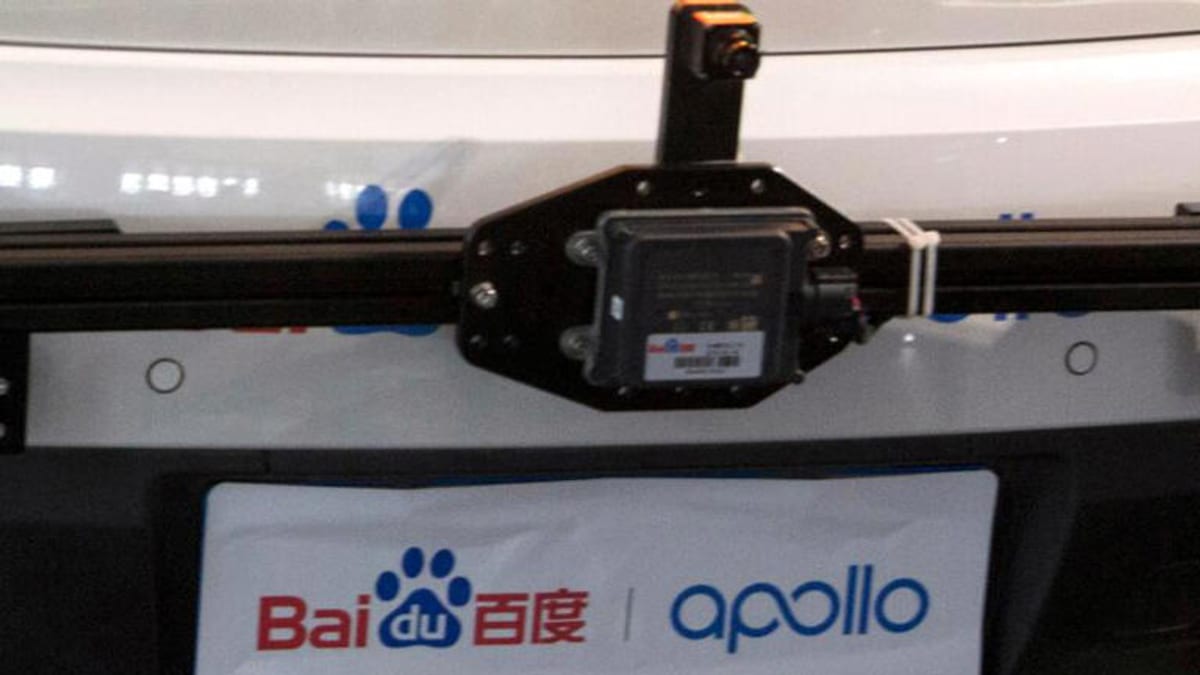
Image by MSN
Sudden Shutdown Leaves Cars Scattered Across Wuhan Roads
Publicly available information indicates the incident unfolded on the evening of March 31, when Baidu’s Apollo Go robotaxis began coming to a halt almost simultaneously in multiple parts of Wuhan. Reports describe vehicles stopping in live traffic on ring roads and elevated highways, their hazard lights flashing as human-driven cars were forced to weave around them.
Local police notices and media coverage state that a preliminary assessment points to a system malfunction that affected more than 100 vehicles. Some cars came to a controlled stop at the roadside, but others reportedly froze in middle or overtaking lanes, effectively acting as immovable obstacles on high-speed arteries designed to keep traffic flowing.
Images and video clips shared on Chinese social media platforms show lines of Apollo Go vehicles stalled nose to tail, with queues of conventional cars backed up behind them. In several clips, people can be seen walking along the shoulder or between lanes, highlighting the extent of the disruption during the busy evening period.
There were no immediate reports of serious injuries, but regional outlets and technology publications note that the episode caused significant congestion across parts of the city and has become one of the most serious robotaxi outages yet recorded in China.
Passengers Trapped for Up to 90 Minutes in Live Traffic
Accounts compiled by Chinese and international media describe a confusing and often frightening experience for passengers caught in the outage. Several riders reported that their robotaxis abruptly slowed and stopped after turning onto main roads or elevated expressways, with on-screen messages attributing the halt to a driving system malfunction.
In some cases, passengers were able to open the doors and leave the vehicles without assistance. However, those whose cars had stopped in inner or middle lanes hesitated to step out into fast-moving traffic. Coverage in local-language outlets recounts riders staying inside for up to 90 minutes, unsure whether to wait for staff or attempt to reach the roadside on their own.
Media reports indicate that vehicle interfaces advised passengers that staff were expected to arrive shortly, yet several riders said help took far longer than anticipated. Technology-focused reporting and social media posts from Wuhan suggest that emergency contact functions inside some cars did not always provide clear information about when assistance would reach them.
Traffic police and other motorists ultimately helped many stranded passengers reach safety, according to domestic news reports. The incident has prompted renewed discussion in China about how autonomous ride-hailing services manage emergencies, especially when vehicles come to a stop in positions that are hazardous for both occupants and surrounding traffic.
Baidu’s Apollo Go Faces Tough Questions on Safety and Redundancy
The malfunction struck at the heart of Baidu’s Apollo Go program, one of the most advanced and widely deployed robotaxi services in China. Publicly available company information indicates that Baidu operates hundreds of autonomous vehicles in Wuhan as part of a broader network of more than 1,000 robotaxis in cities across the country.
In recent years, Apollo Go has been promoted as a showcase of Chinese capabilities in autonomous driving, with an expanding footprint that now includes new services in Abu Dhabi and Dubai and announced plans involving partners in parts of Europe. The Wuhan outage, however, underscores how reliability issues can quickly expand from an engineering problem to a citywide transport and safety challenge.
Analysts quoted in technology and automotive trade coverage note that the event appears to have been a centralized failure affecting a large portion of the fleet at nearly the same time. That pattern has raised concerns among observers about the degree of dependence on cloud connectivity and backend systems, and about what happens when those systems fail while vehicles are in motion on high-speed roads.
Baidu had not provided a detailed public explanation of the underlying cause as of early April, beyond references in official notices and media summaries to a system failure or system malfunction. Industry watchers say regulators and the public are likely to seek more clarity on whether software updates, mapping data, communications infrastructure or other shared components played a role in the sudden shutdown.
Global Scrutiny of Robotaxi Reliability Intensifies
The Wuhan incident arrives amid growing global scrutiny of robotaxi safety, following earlier disruptions involving other operators in major cities. Published coverage has drawn parallels with a December episode in San Francisco, where a power outage and darkened traffic signals contributed to clusters of stalled self-driving cars from another provider, adding to congestion and fueling debate over the readiness of such services.
In China, the outage is being closely watched as authorities continue to support large-scale trials of autonomous vehicles in urban areas. Wuhan has been one of the country’s leading testbeds, allowing extensive driverless operations across a wide swath of the city. The scale of the robotaxi network there means that any systemic issue can affect hundreds of vehicles and thousands of potential trips in a single evening.
Transport commentators note that while autonomous fleets have notched up millions of kilometers without major collisions, incidents like the Wuhan paralysis highlight a different type of risk. A single software or infrastructure problem can propagate quickly, turning a strength of centralized fleet management into a vulnerability if robust fail-safes and contingency plans are not in place.
Urban planners and mobility experts quoted in international reporting point out that emergency response strategies for autonomous fleets remain a work in progress. Questions being raised include how quickly operators can dispatch personnel to dozens of stranded cars at once, how traffic can be re-routed when driverless vehicles freeze in critical locations, and what instructions passengers should follow when a robotaxi stops in the middle of a busy road.
What the Wuhan Outage Means for the Future of Driverless Rides
For everyday riders in Wuhan, the malfunction has shaken confidence in robotaxis as a routine transport option, at least in the short term. Social media discussions collected by local outlets show a mixture of frustration, anxiety and continued curiosity about the technology. Some users say they will avoid autonomous cars on elevated roads for now, while others argue that the industry will learn from the failure and improve.
Industry analysts suggest that Baidu and other operators may respond by strengthening redundant systems that allow vehicles to reach a safer stopping point if connections or central services fail. Proposals floated in technology commentary include more localized decision-making inside each vehicle, clearer passenger instructions in emergencies and closer integration with city traffic control centers.
Regulators are expected to review the findings of any investigation into the Wuhan outage and could update testing permits or technical standards governing large-scale driverless fleets. Observers note that China has strongly backed autonomous vehicles as part of its broader artificial intelligence and smart-city strategies, making it likely that the focus will fall on improving resilience rather than curbing deployments outright.
For the wider global industry, the images of stalled robotaxis scattered across Wuhan’s roads will feed into ongoing debates about when and how to remove human drivers from city transport. As more cities experiment with fully driverless ride-hailing, the questions raised by this incident about system-wide failures, passenger communications and roadside rescue are likely to resonate far beyond central China.